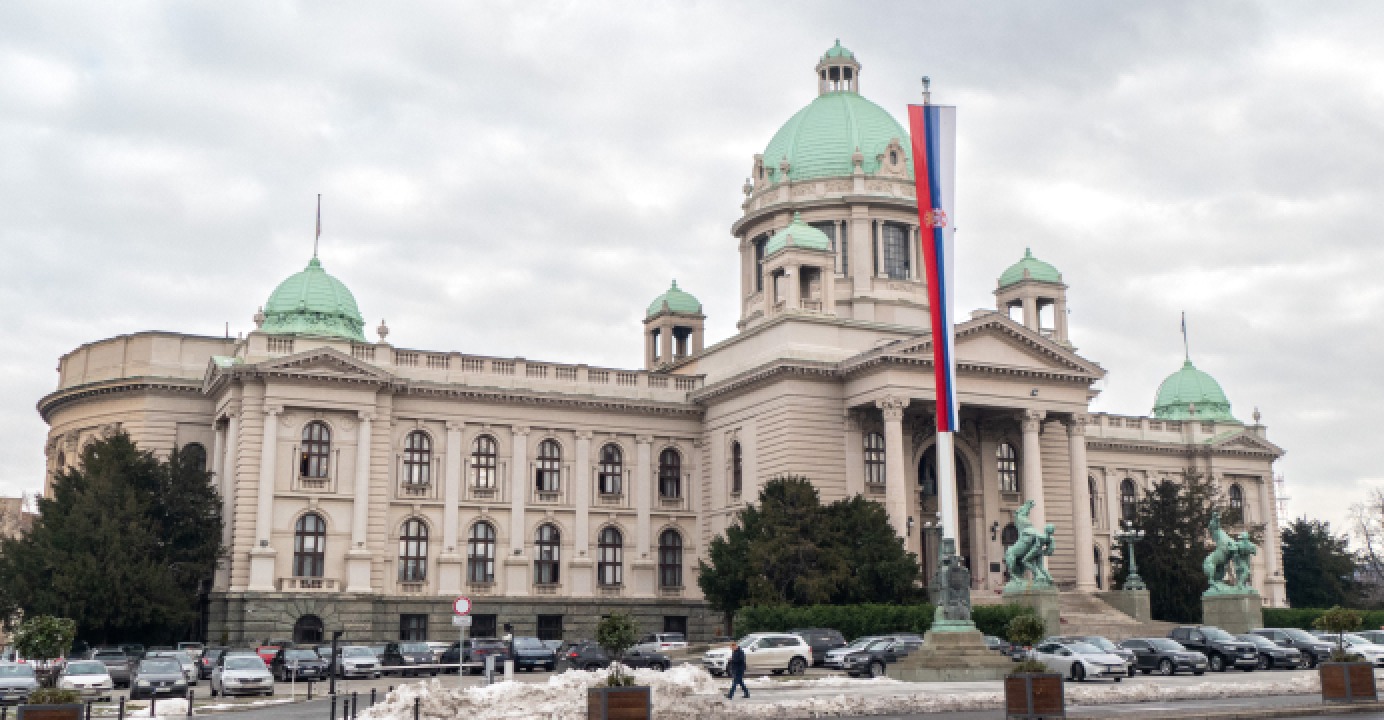
Discover landmarks, parks and interesting places of the city
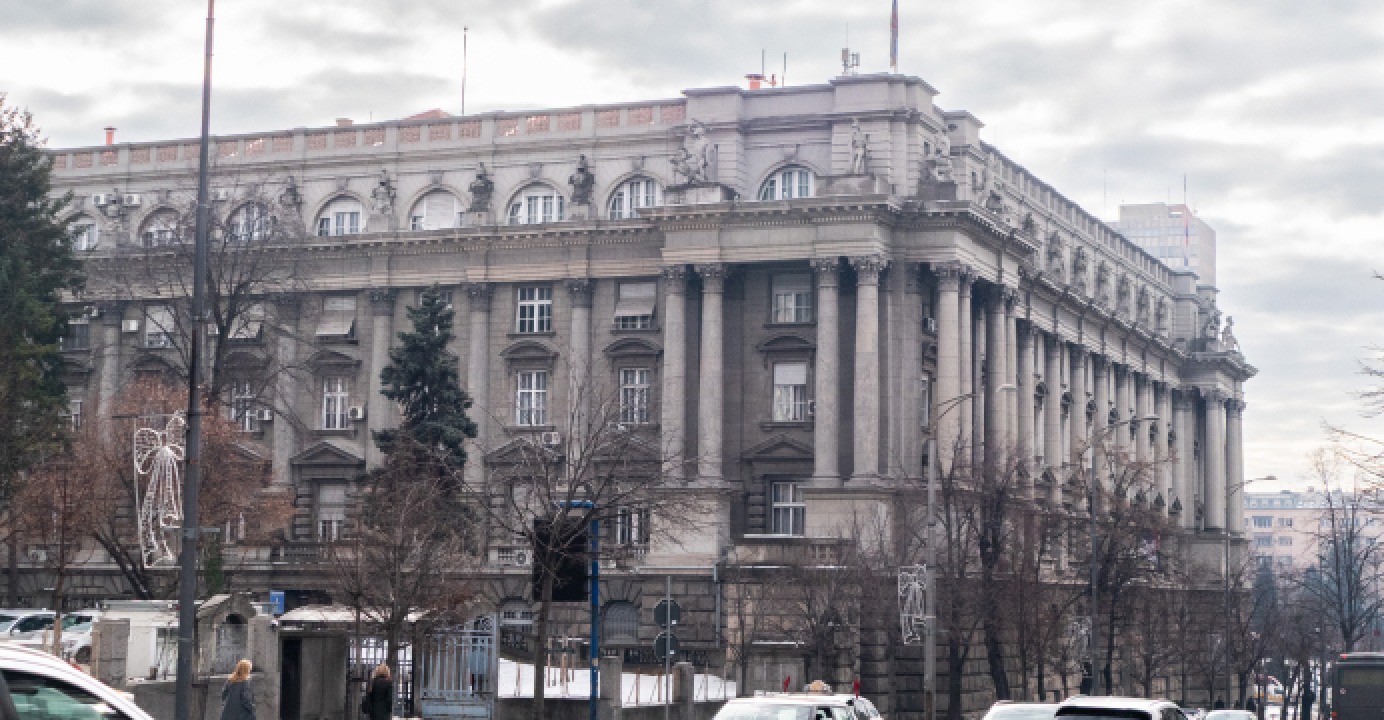
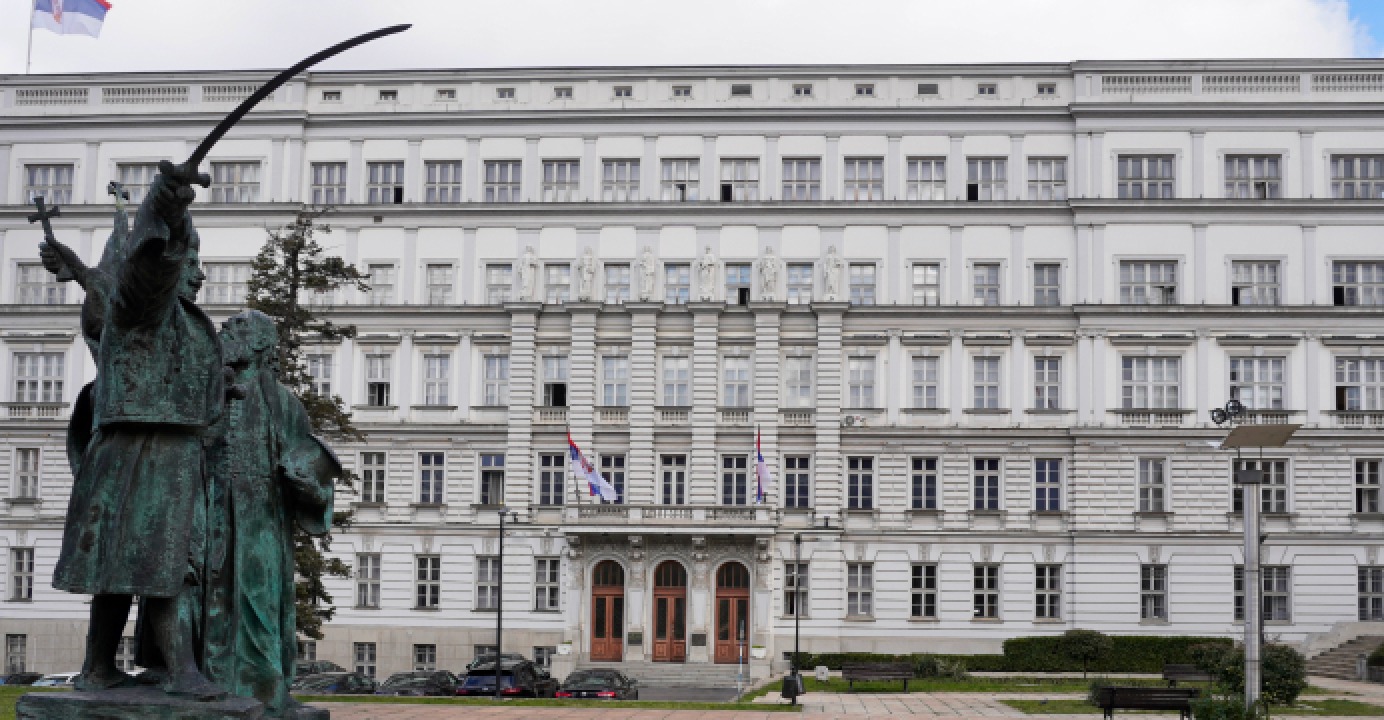
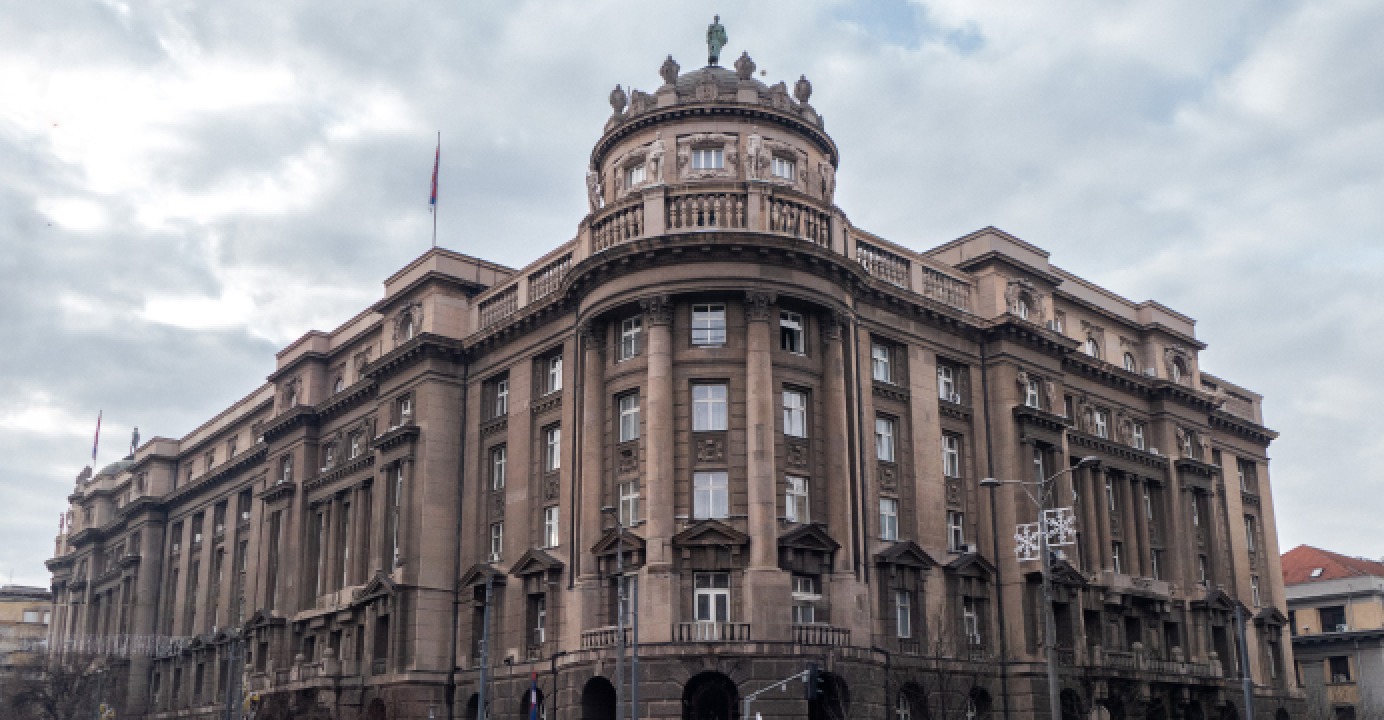
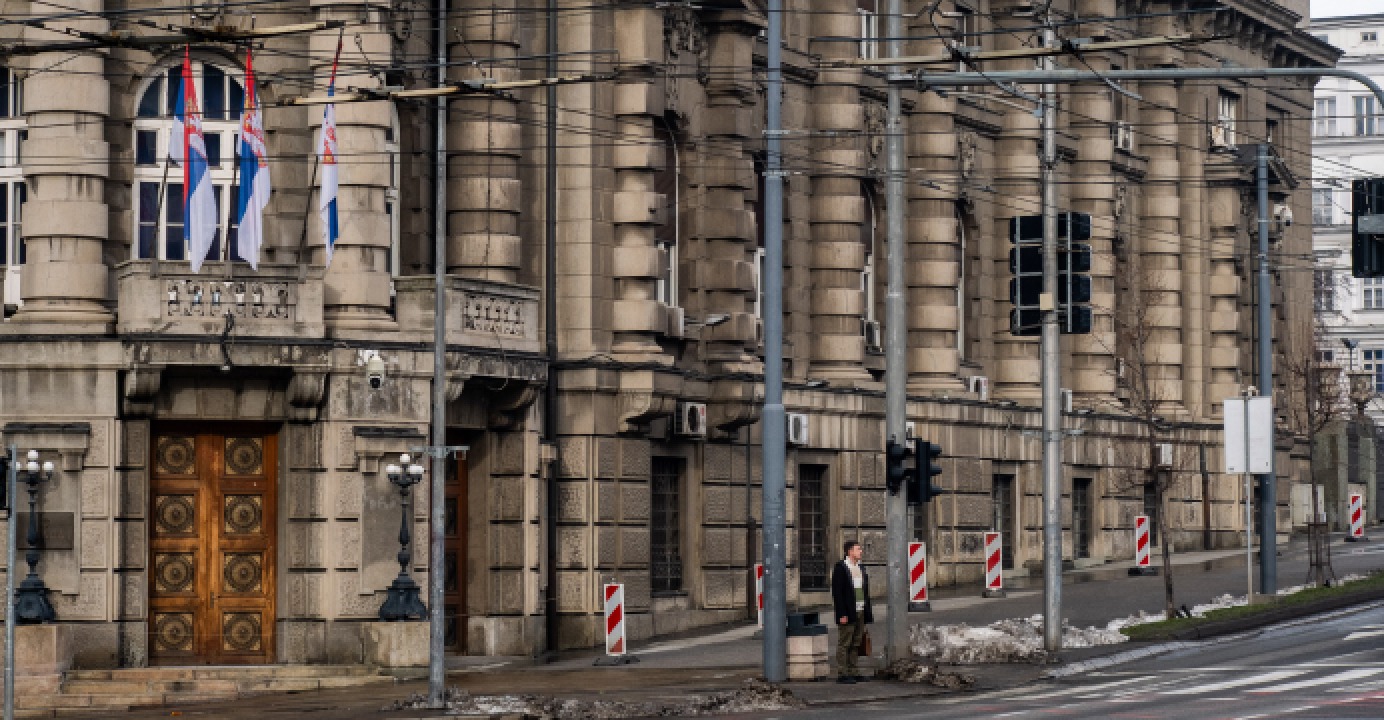
The “Stone Palace,” Baumgarten’s Old General Staff Building
Before you stands the building of the old General Staff, also known as the “Stone Palace” or “Baumgarten Palace.” It was built between 1924 and 1928 according to the design of the émigré architect Vasily Wilhelm Fyodorovich Baumgarten.
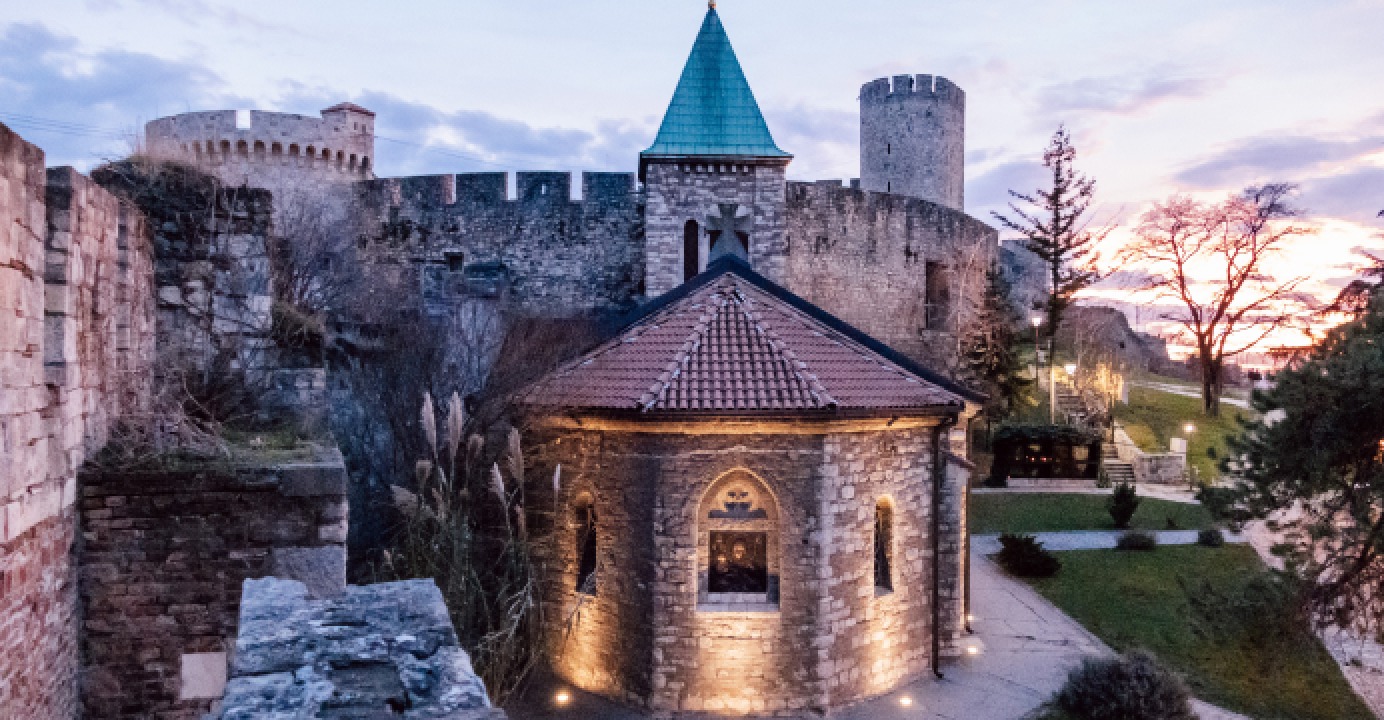
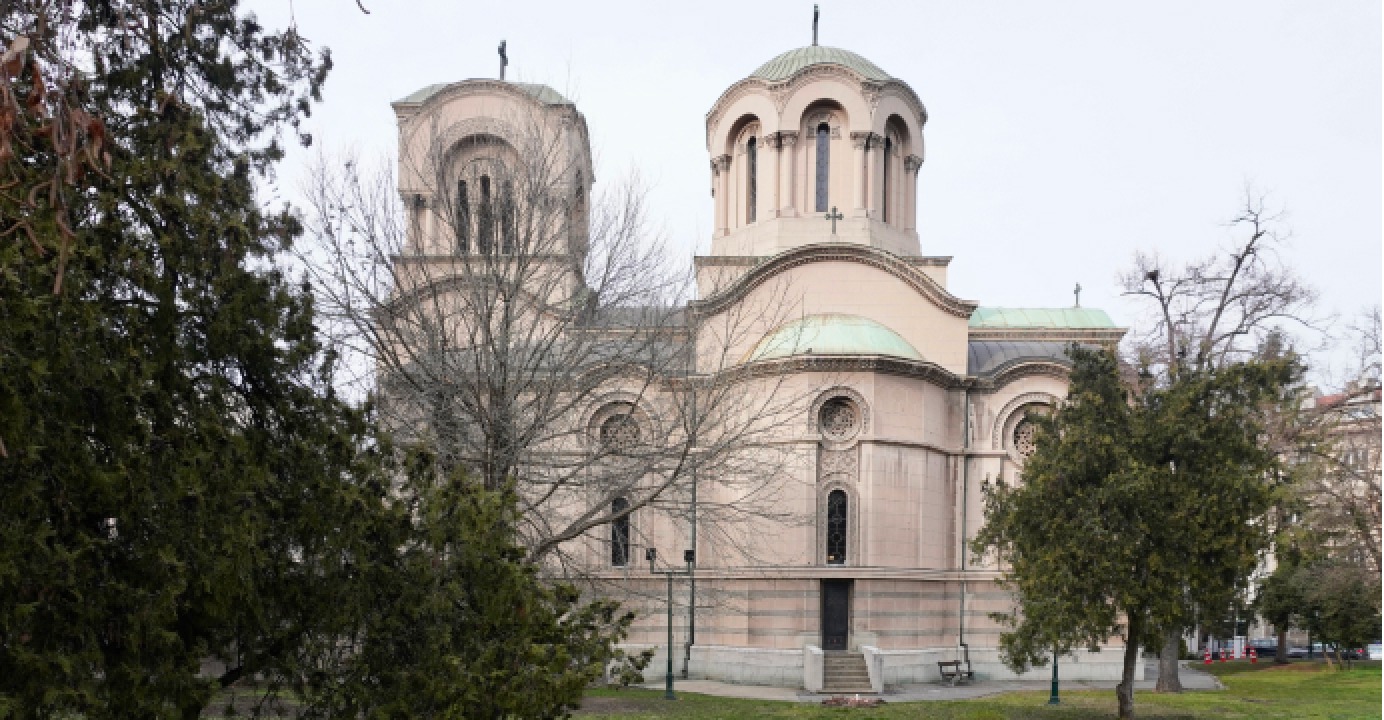
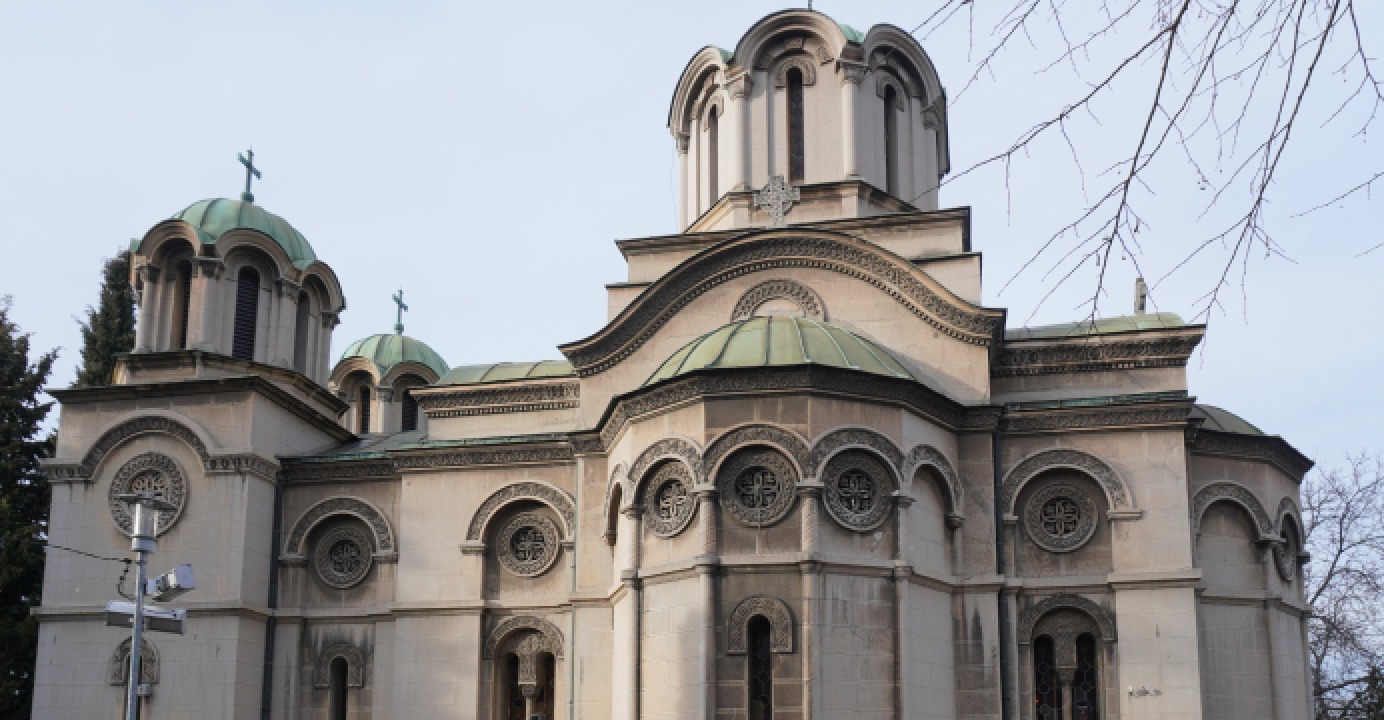
Ružica Church on Kalemegdan is a living monument of history, linking the layers of past years with contemporary Serbian memory. The unique texture of untreated stone, the bronze warriors, and the chandeliers made of weapons create an atmosphere of deep national memory and hope.
The church, built in the style of the Morava school, embodies a Russian-Serbian spiritual dialogue, bringing together memory, history, and art. The memorial altar and monument inside symbolize the interconnected destinies of Russia and Serbia, transforming the church into a living monument of shared memory.
ул. Царя Душана, 63, городской квартал Дорчол, Старый Город, округ Белград
This church carefully brings together family memory, émigré craftsmanship, and Belgrade’s architectural tradition. Its architecture combines a cruciform plan, an expressive apse, a wooden iconostasis, and unique icons.
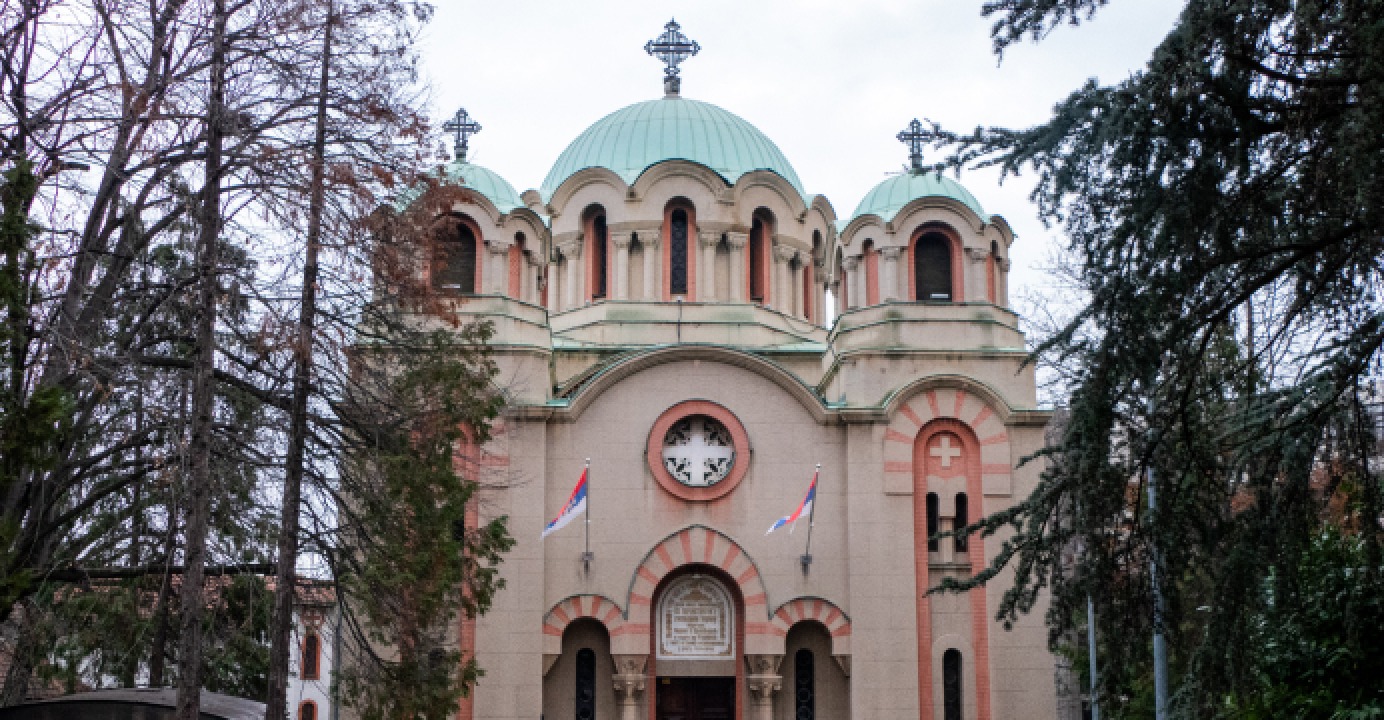
The Monastery of the Presentation of the Most Holy Theotokos — Vavedenje
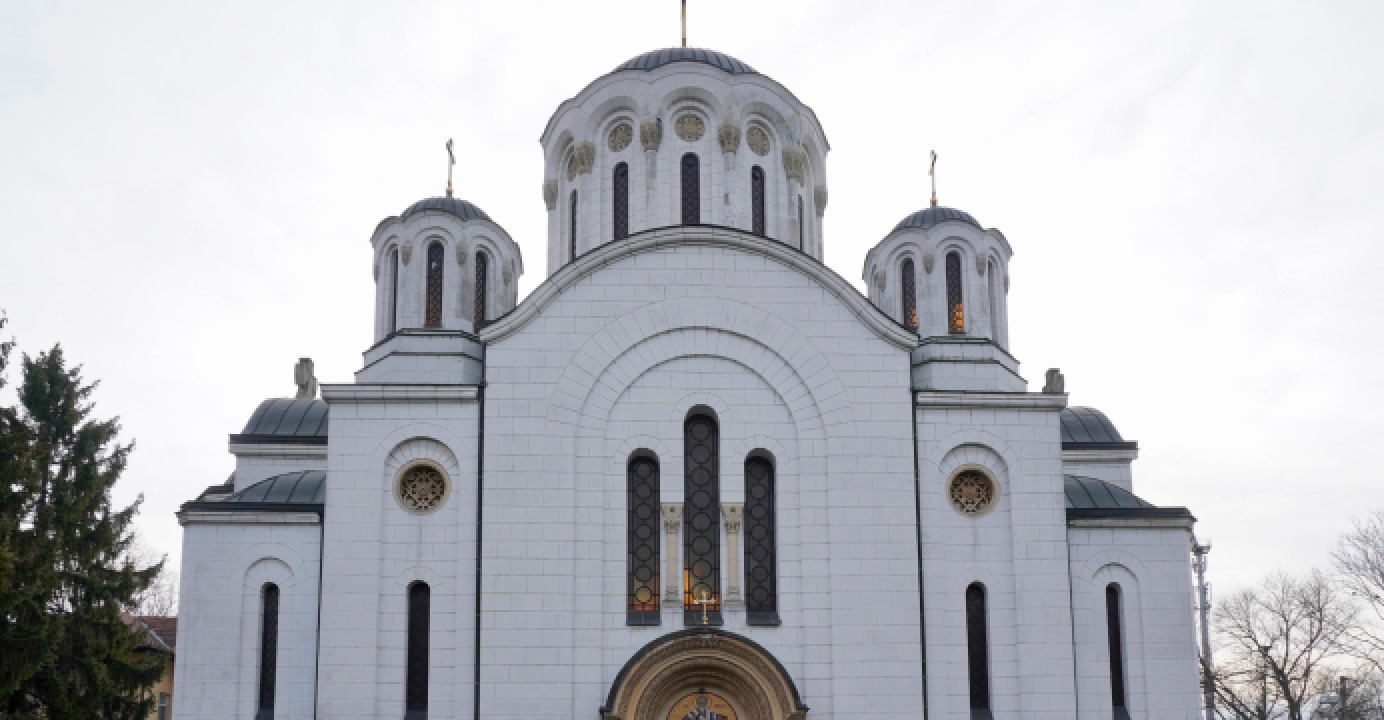
An outstanding spiritual centre of the Russian emigration: a five-domed church inspired by Serbian-Byzantine architecture, with a harmonious stepped composition, restrained decoration, and a solemn western portal.
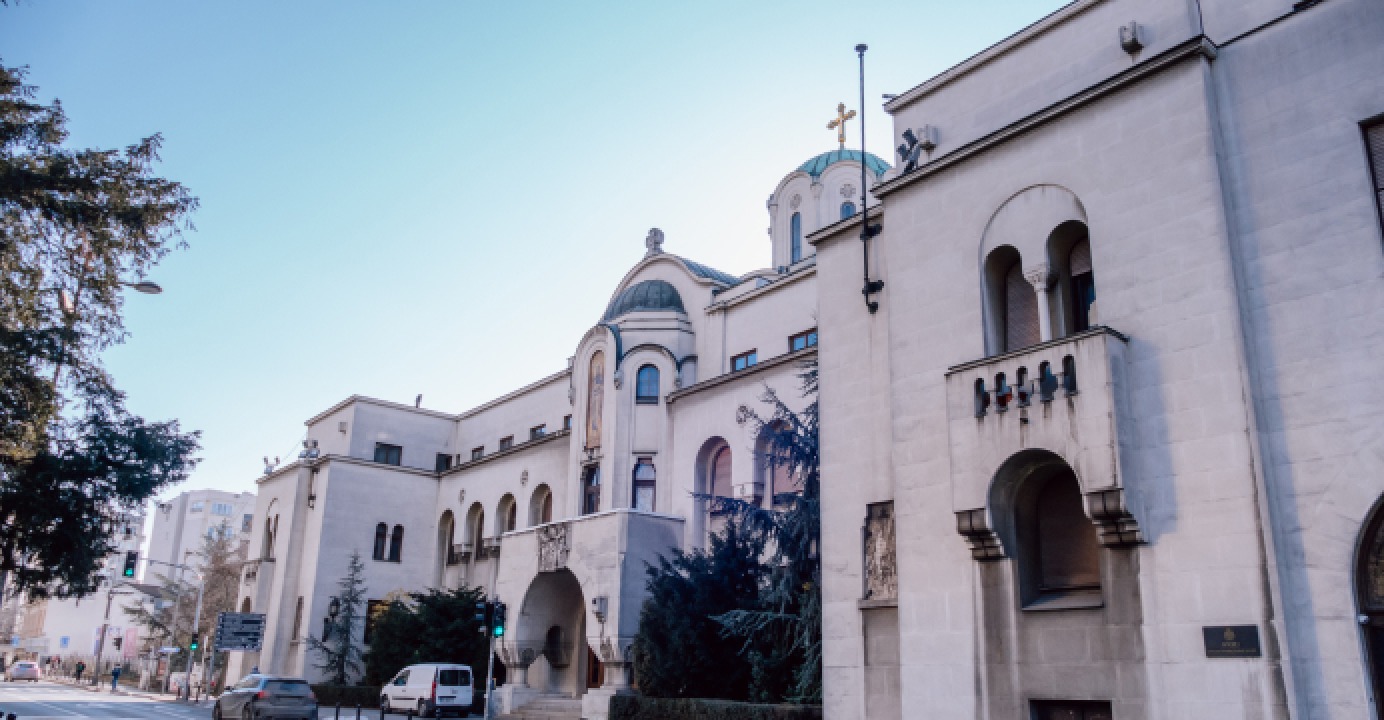
The building of the Serbian Patriarchate, constructed between 1933 and 1935 according to the design of Viktor Lukomsky, combines Serbian-Byzantine traditions with the architect’s own modernist vision, serving as a spiritual, cultural, and architectural centre of Belgrade.
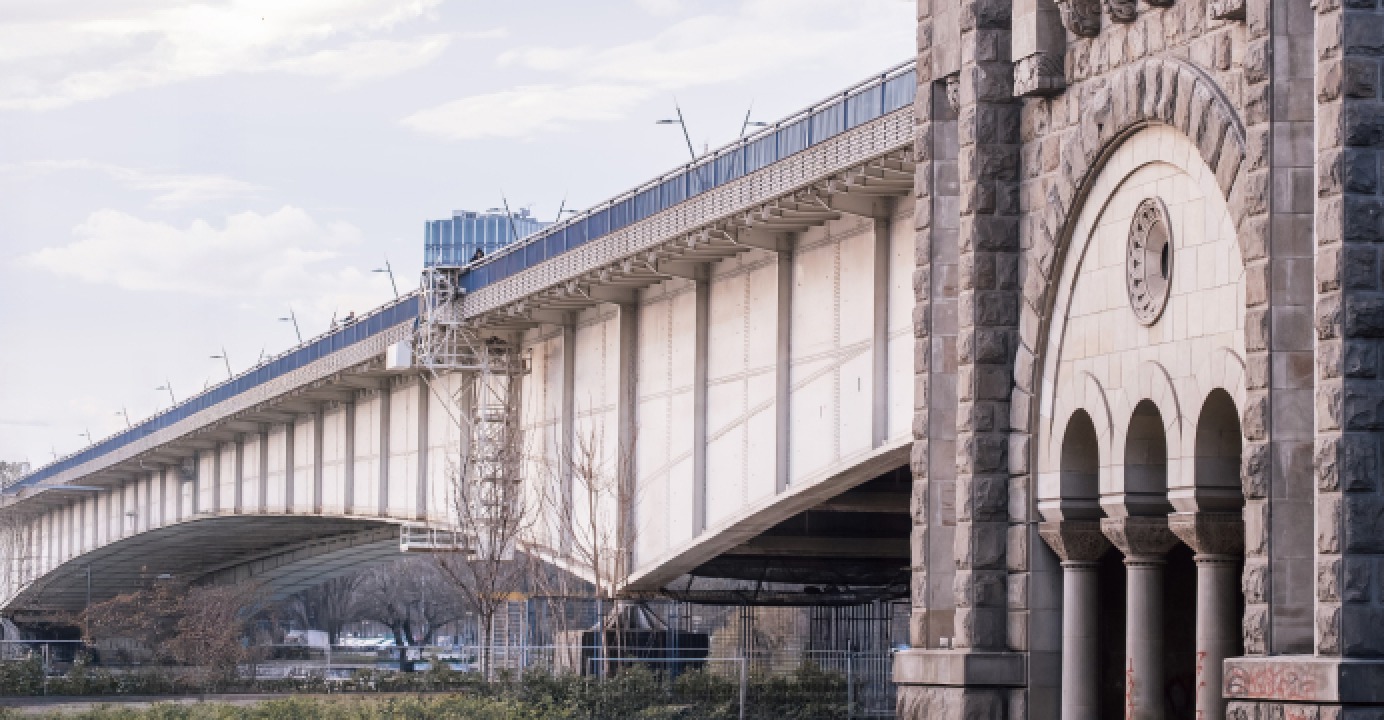
Branko’s Bridge is an iconic crossing over the Sava, a symbol of the unity of Belgrade and Zemun, combining Romano-Byzantine architectural motifs with a rich historical meaning.
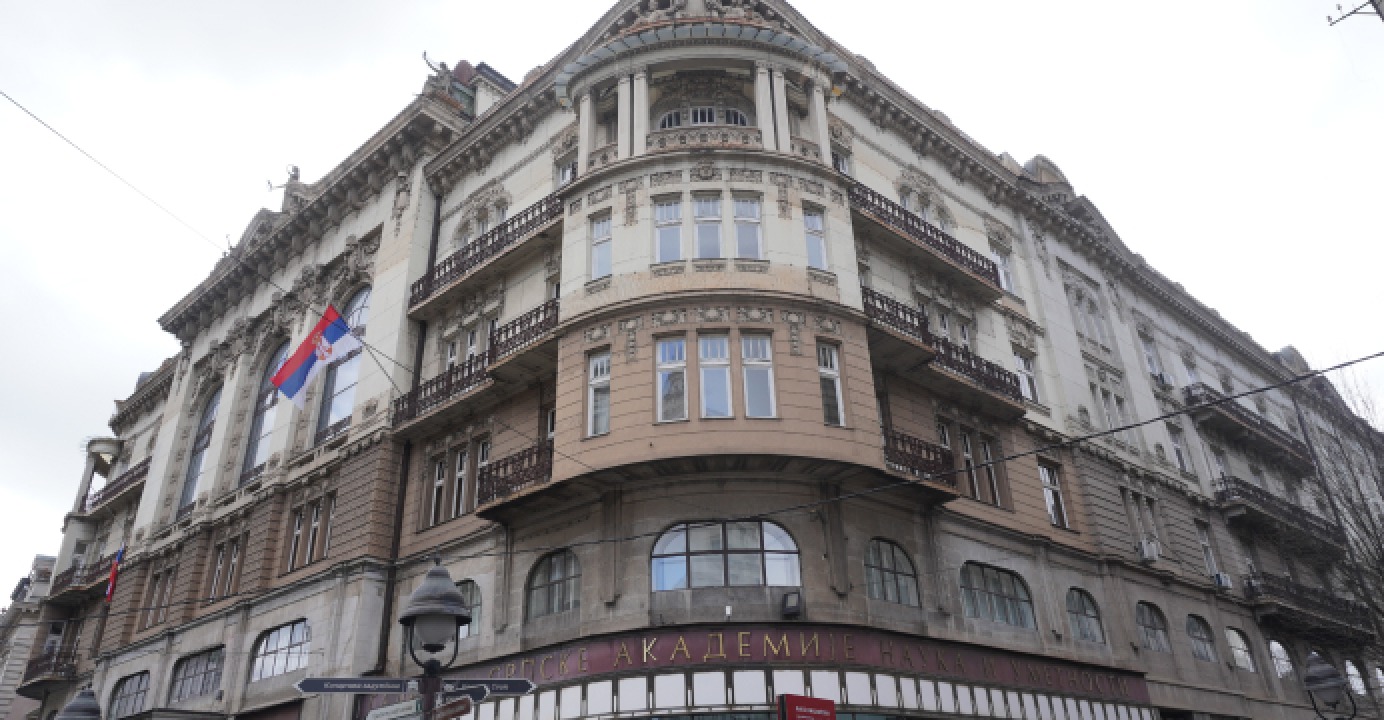
The Serbian Academy of Sciences and Arts on Knez Mihailova Street is a harmonious combination of academic rigour and creative Art Nouveau, remaining a cultural and intellectual anchor in the heart of Belgrade.
A symbol of the Enlightenment tradition and of a social contract with the future, bringing together academic architecture, the unique acoustics of its concert hall, and an active urban cultural life.
The King Alexander I Student Residence, built according to the design of Georgy Kovalevsky, embodies the state’s concern for the future, with its monumental architecture and its status as an important educational institution in Belgrade.
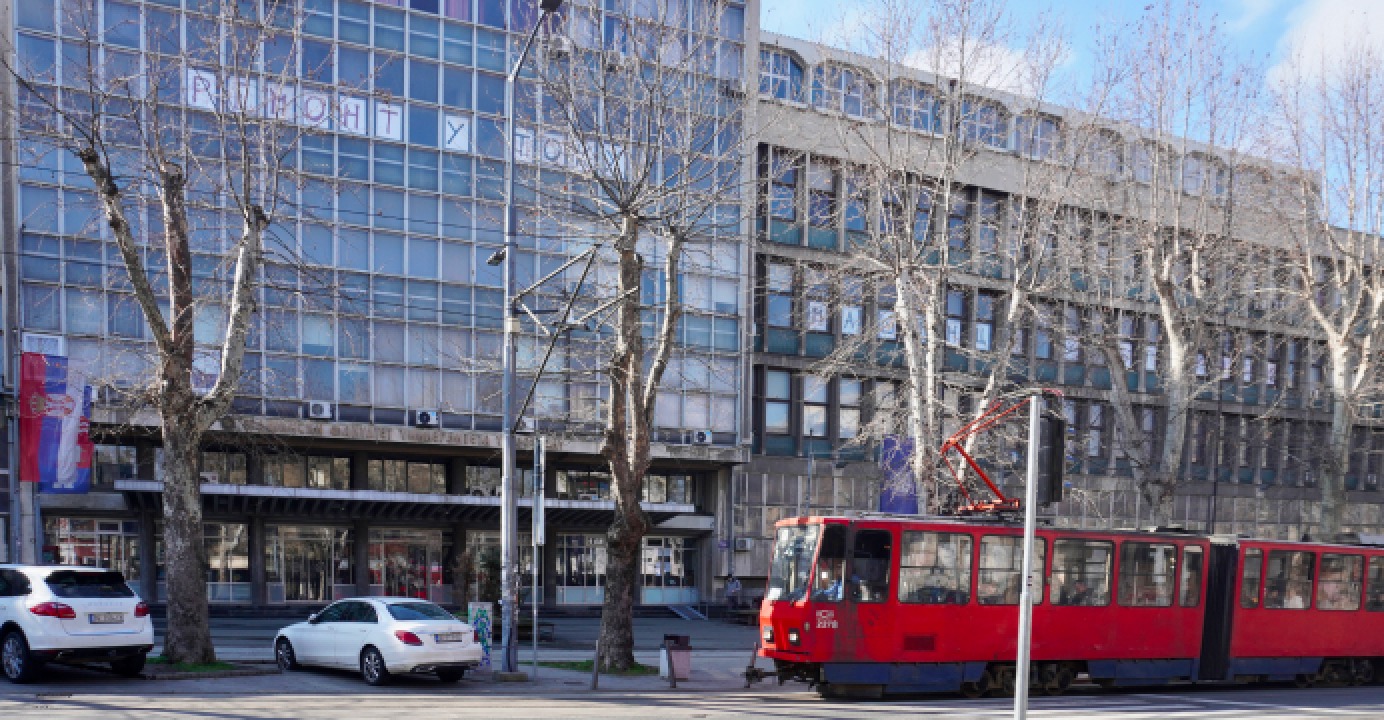
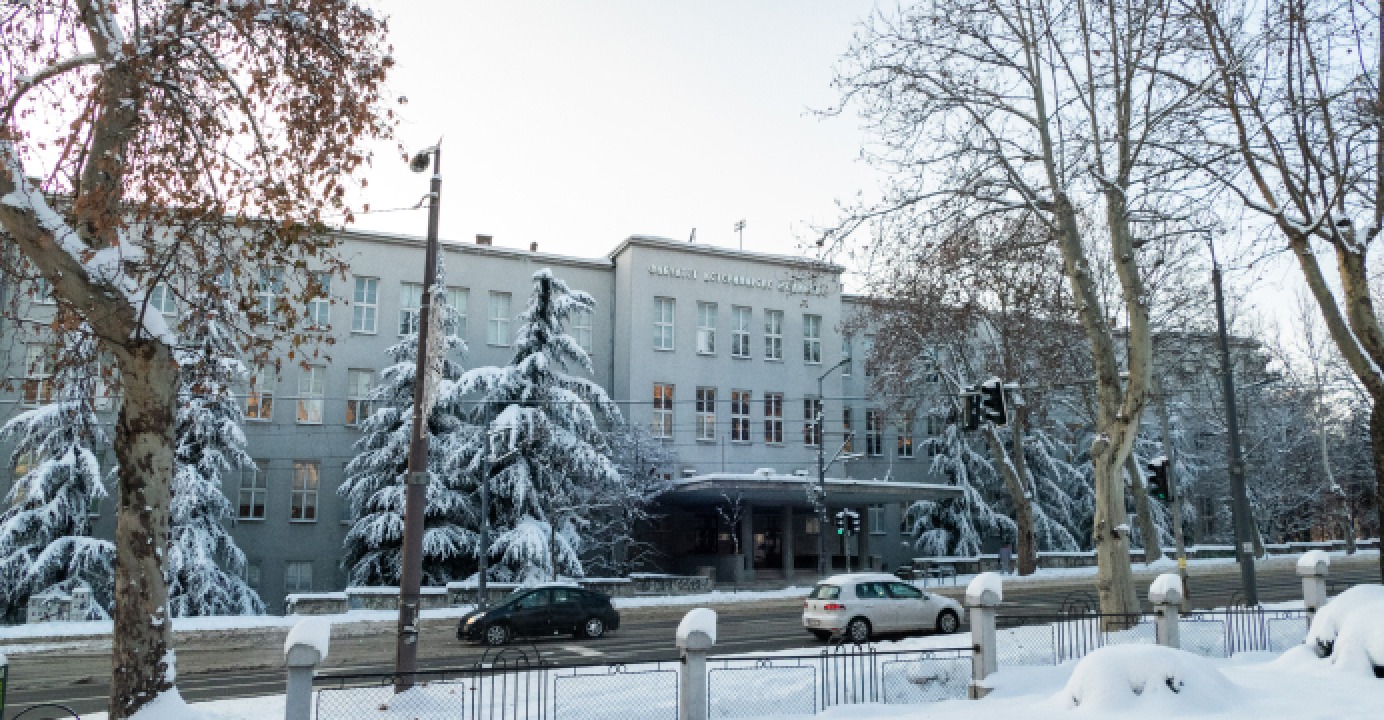
The Technical and Mechanical Engineering Faculties
A monumental complex with inner courtyards and expressive sculptural articulation, embodying the idea of engineering knowledge as a “temple of progress” and symbolizing the contribution of Russian specialists to the modernization of Belgrade.
The building embodies the drama of construction interrupted by time — from its pre-war conception to its post-war completion — and marks the contribution of one of the first Serbian women architects, Jovanka Bončić-Katerinić.