The Archives of Serbia
An example of academicism in which architecture preserves historical memory and state identity with restraint and reliability.
ул. Карнегиева, 2, Белград
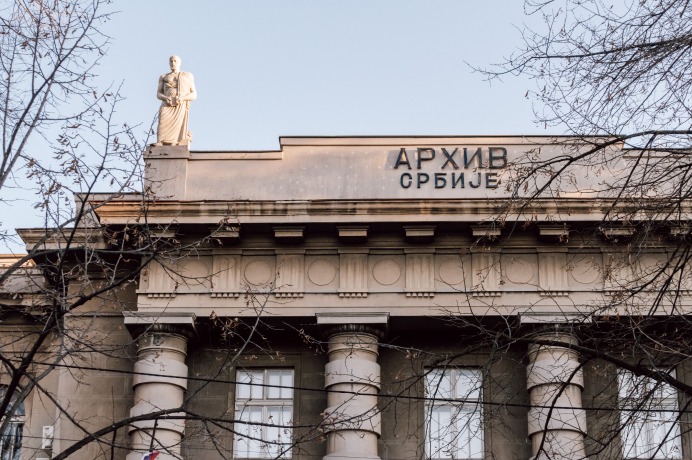
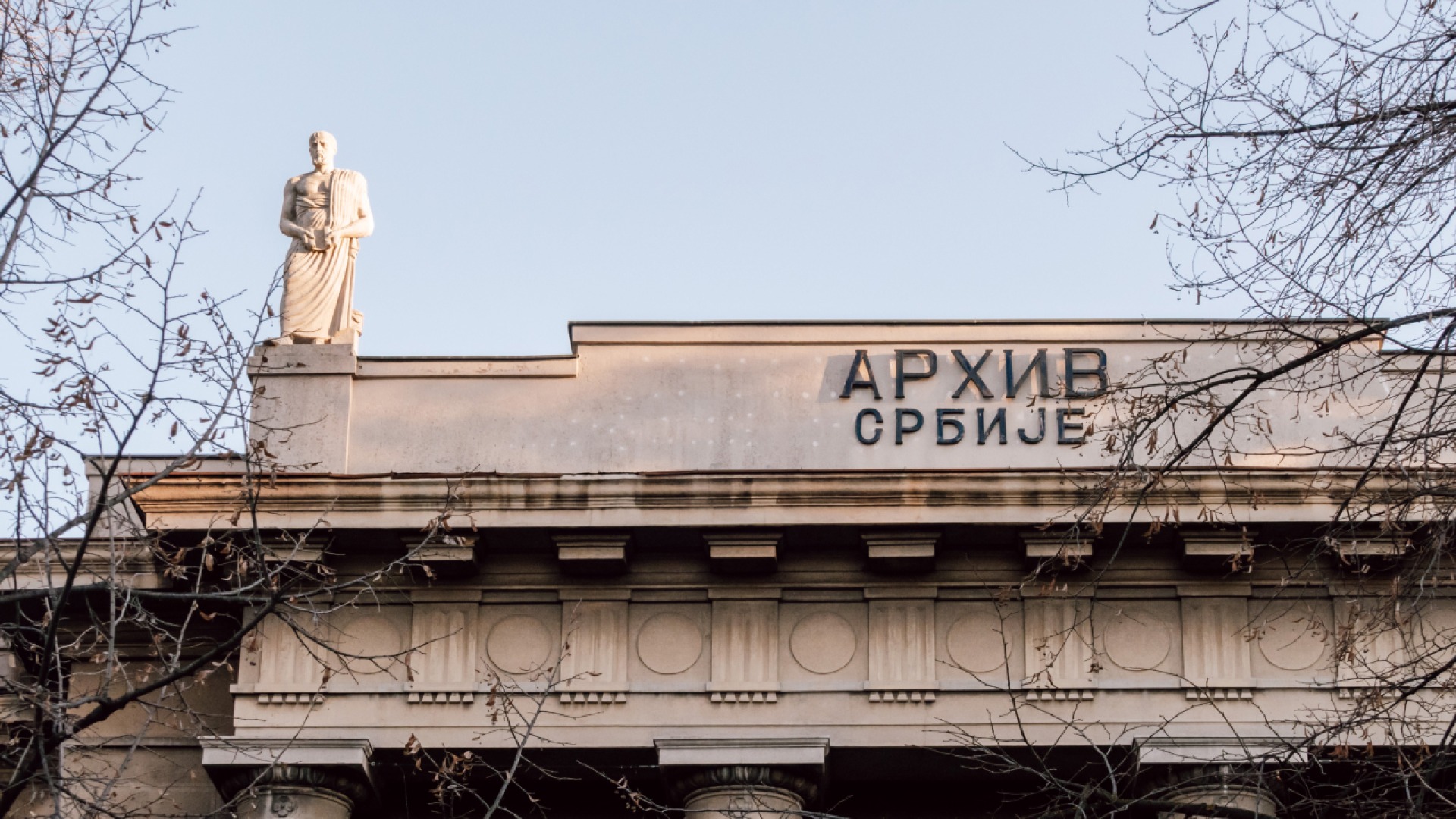
We have now reached a building that does not merely store documents, but safeguards the DNA of the state. The State Archives of Serbia was purpose-built for its function — a rare case in interwar Belgrade. It was erected in 1928 according to the design of the already familiar Nikolai Petrovich Krasnov. Krasnov began work on the project in 1925, and just three years later the building was completed.
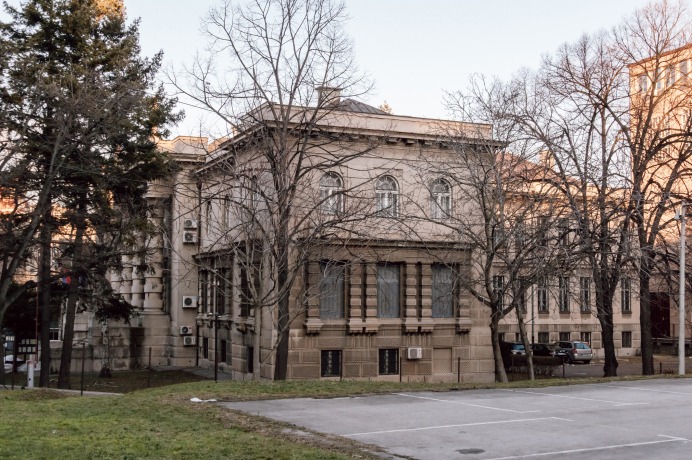
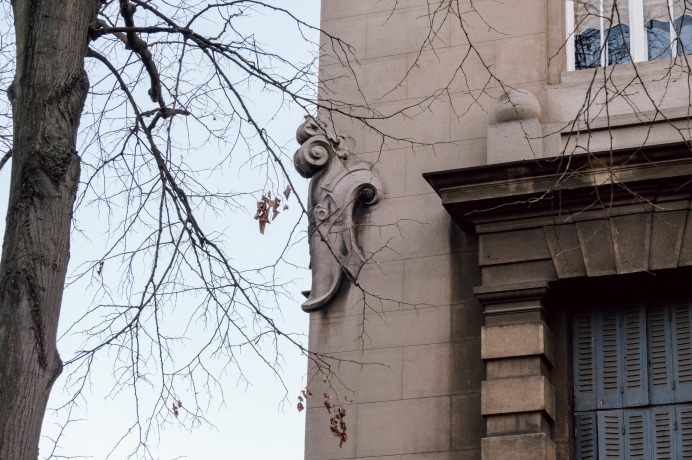
Architecturally, the Archives building is one of the most carefully calibrated examples of academicism in modern Serbian architecture. It is a two-storey structure whose plan resembles an inverted letter “T”: the transverse wing faces Carnegie Street, while the longitudinal wing extends deep into the courtyard. This layout is functionally well considered. In the ceremonial street-facing section, Krasnov placed the working and administrative rooms, while the longitudinal part housed the repositories. In other words, everything connected with the life of the institution faces the city, while everything connected with the preservation of memory is hidden inside, protected and removed from the bustle of the street and from modernity.
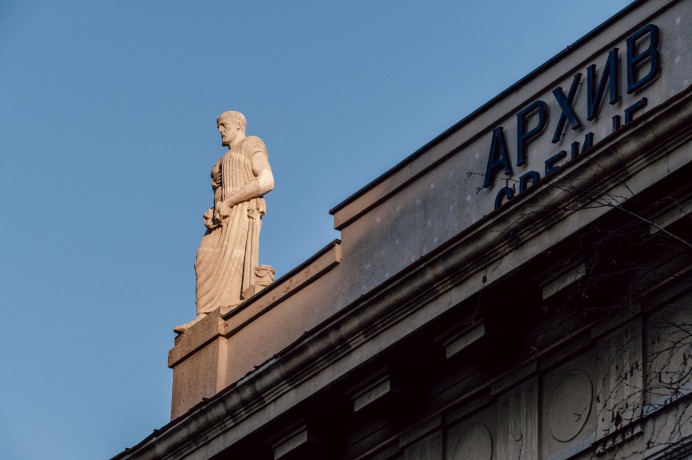
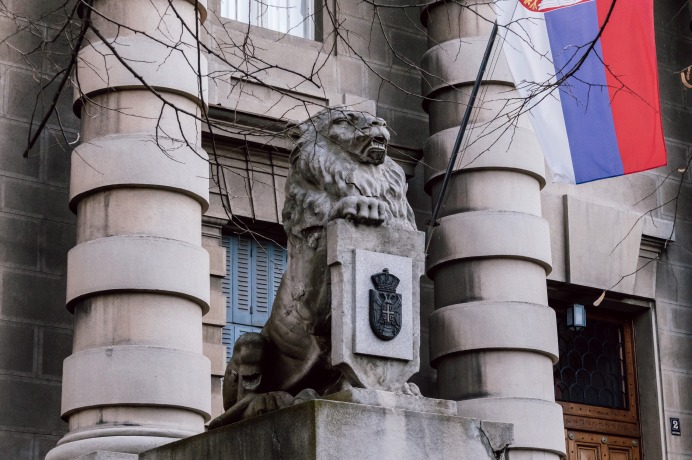
Krasnov had extensive experience in the architectural representation of power — one need only recall his projects in his homeland, such as the Livadia Palace, or his interiors for the National Assembly. But here he chooses a different way of communicating with the world through architecture. The Archives is not meant to overwhelm with monumentality; it is meant to inspire trust — in memory and in history.
Today, walking past it and taking the urban landscape for granted, it is easy to miss this restrained severity. But if you stop and look closely, it becomes clear: before us stands a building in which architecture serves memory.