Nikolai Petrovich Krasnov
An outstanding architect, the creator of the Livadia Palace and of Belgrade’s architectural appearance
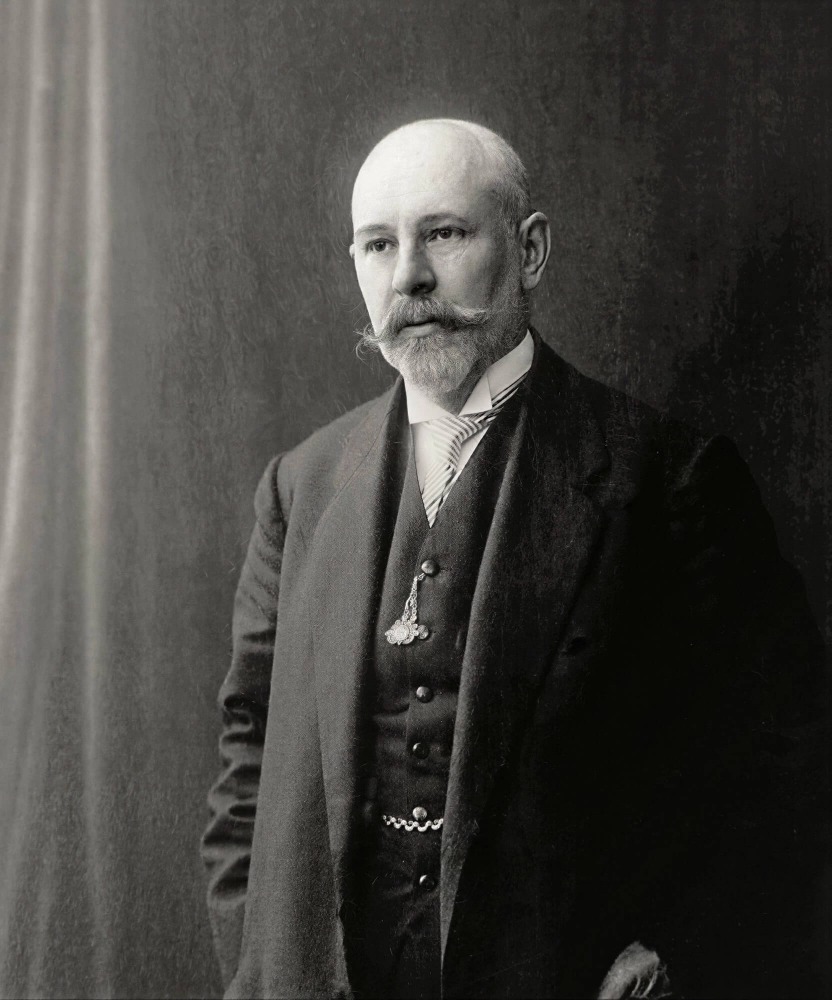
«There are relatively few architects who are fortunate enough to build under such conditions. But N. P. Krasnov turned out to be such a lucky man" (F. G. Berenshtam, "The Magical Land, a Delight to the Eyes")
Nikolai Petrovich Krasnov was born in 1864 in the village of Khonyatino, Kolomensky Uyezd, Russian Empire, into a peasant family – a rarity in the architectural milieu. He graduated from the Moscow School of Painting, Sculpture, and Architecture and began his professional career quite early, becoming a brilliant architect in pre-revolutionary Russia. It is widely known that he was the city architect of Yalta, engaged in the construction and restoration of palace structures. He received the title of Architect of the Highest Court and became one of the most notable masters of imperial architecture. His greatest fame came from creating the summer palace of Nicholas II in Livadia.
The Revolution made its own corrections to Krasnov's professional path. In 1919, Krasnov left Russia with his family, living for several years in Malta, where there were almost no architectural commissions. In 1922, he ended up in Belgrade – a city that became for him not just a temporary refuge, but a second home, restoring his fame and honor.
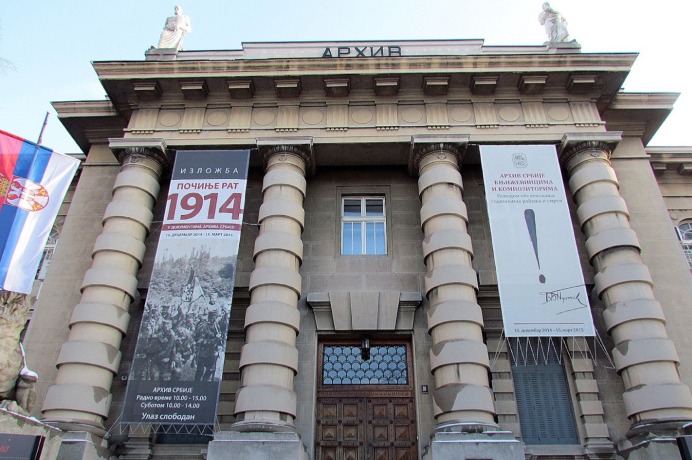
In Belgrade, Krasnov was almost immediately in demand by the state. He entered the service of the Ministry of Construction and soon headed a project group dealing with monumental public and government buildings. He held this position until his death in 1939. Over seventeen years of work, Krasnov became a key figure in the architectural department and effectively shaped the official architectural language of the capital. Among his Belgrade projects are the buildings of the Ministry of Finance, the Ministry of Forests and Natural Resources, the Ministry of Agriculture and Water Resources, and the State Archives of Serbia, the entrance to which is guarded by two powerful sculptural lion figures – symbols of the strength and power of the new state.
Belgrade in the 1920s and 1930s sought to become a full-fledged European capital of the new state, and it was Krasnov who gave the city the "capital" architecture that would meet the tasks of nation-building and shaping the visual image of a unified country. His Belgrade style is primarily academism: strict, precise, based on symmetry, clear composition, and monumental scale. At the same time, the facades of his buildings, often executed in artificial stone, are rich in plasticity, sculptural decor, domes, and expressive corner accents. It is also significant that in his Belgrade projects, he signed his name in the Serbian manner as Nikola, emphasizing his connection with the new country and its cultural context.
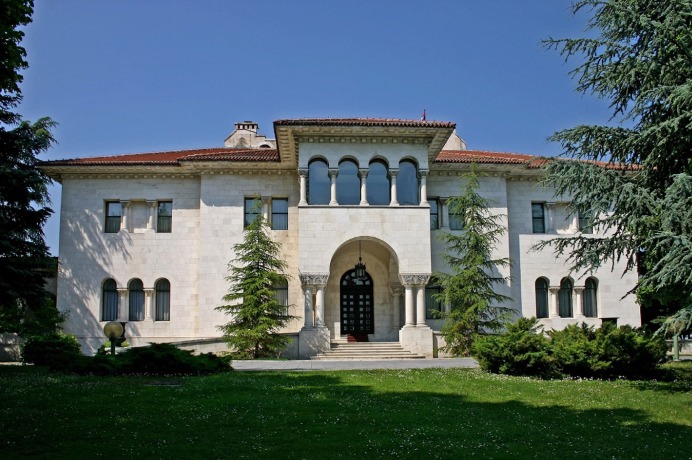
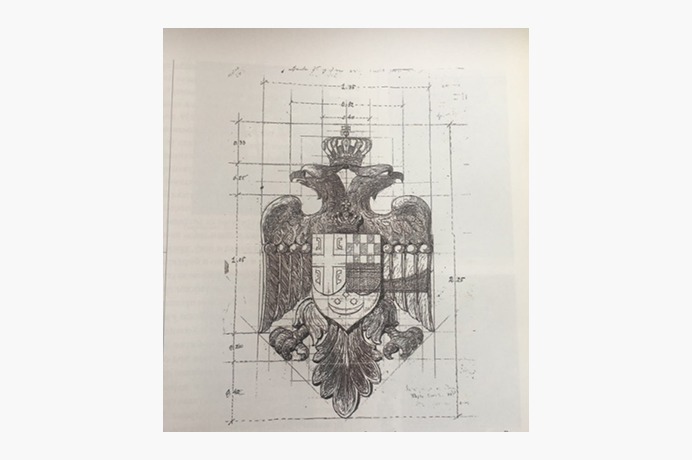
While developing designs for many of Belgrade's government buildings, Krasnov embodied in stone the royal idea of Yugoslavia as a "unifying monarchy." Beyond architecture, he created sketches for the attributes of royal power – from orders and decorative ornaments to monuments and the design of state funeral ceremonies. Thus, his contribution extended far beyond architecture itself, touching upon the symbolic aspect of power.
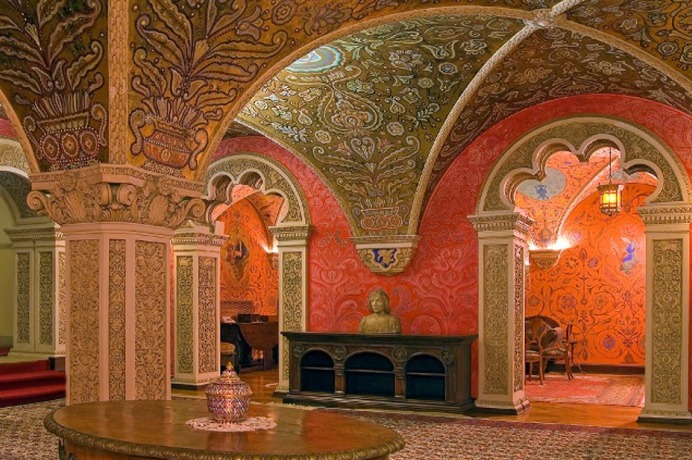
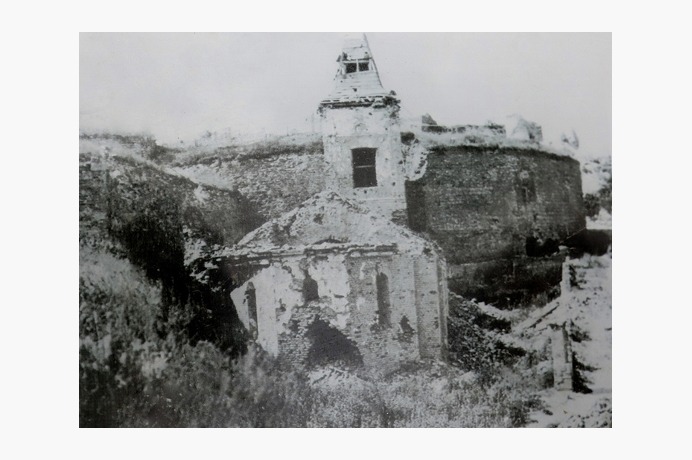
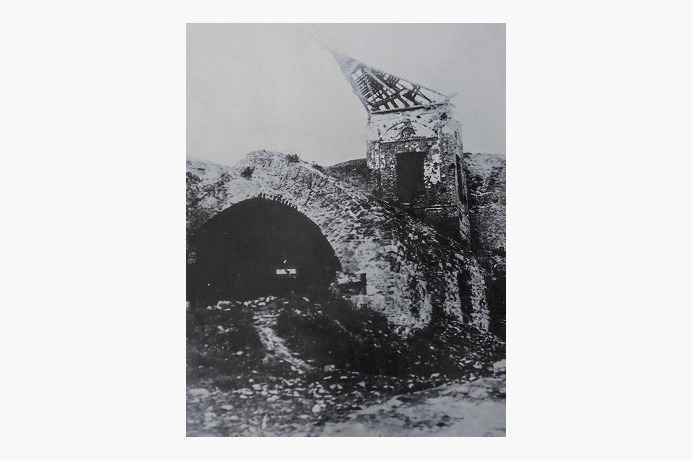
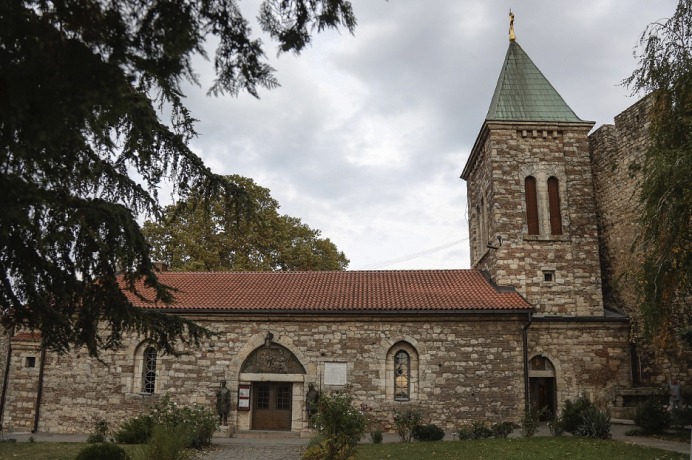
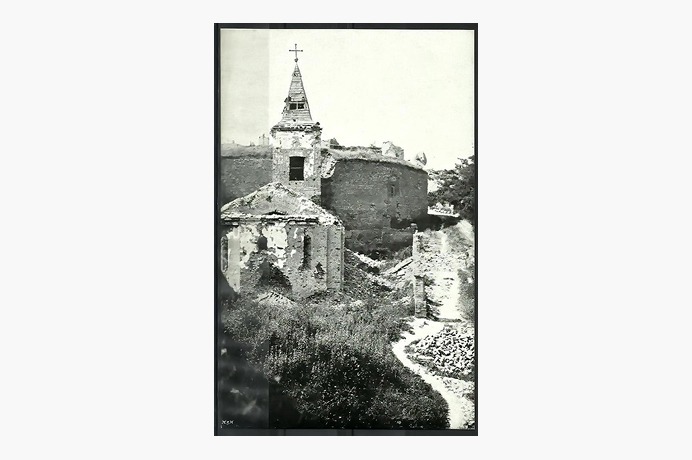
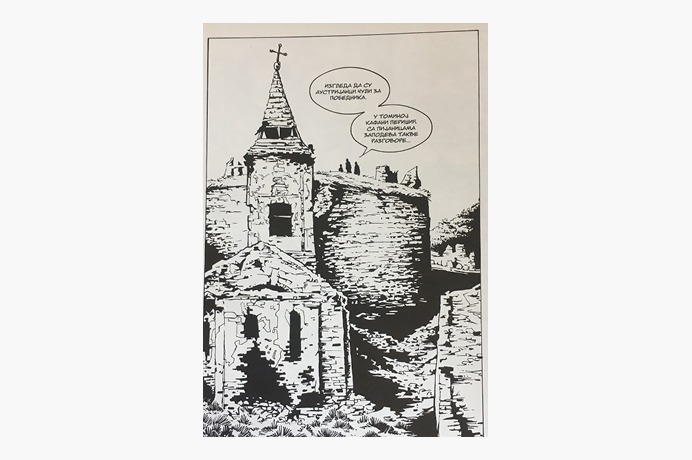
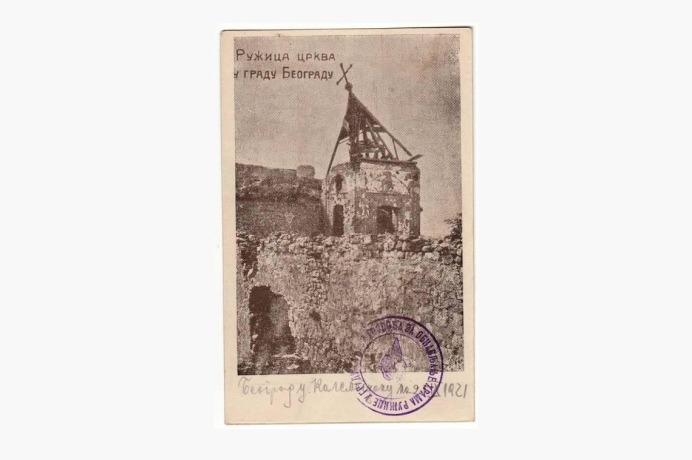
Krasnov's first success and wide recognition in Yugoslavia came after fulfilling commissions for the ruling Karađorđević dynasty related to the restoration of national shrines. In 1923, he developed a project for the restoration of the Njegoš Chapel-Mausoleum on Mount Lovćen in Montenegro, executed in the traditions of the coastal Romanesque architecture of the Balkans. In 1924, almost simultaneously, Krasnov undertook the restoration of the Ružica Church in the Belgrade Fortress of Kalemegdan, which had been severely damaged during World War I. In collaboration with S. N. Smirnov from 1924 to 1932, he worked on the reconstruction of the St. George's Church-Mausoleum at Oplenac, where, in the Serbo-Byzantine style, he designed part of the mosaic decoration, the iconostasis, doors, lamps, chandeliers, lanterns, marble details, and the floors of the church and crypt interiors.
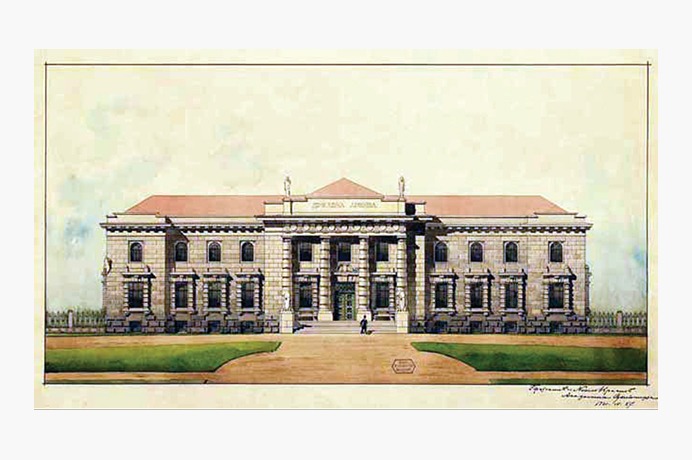
The priority direction in Krasnov's Belgrade work became Neoclassicism, embodied primarily in the projects of administrative and public buildings in the old city center, in the transformation of which he played a key role. Between 1925 and 1928, the building of the Ministry of Finance was erected according to his design, and in 1929, opposite it, the building of the Ministry of Forests, Mines, Agriculture, and Water Resources. In 1928, Krasnov completed the construction of the State Archives building. These structures vividly demonstrated the academic monumentalism of the Russian classical type, gravitating towards centralism, unity, and a clear hierarchy of forms.
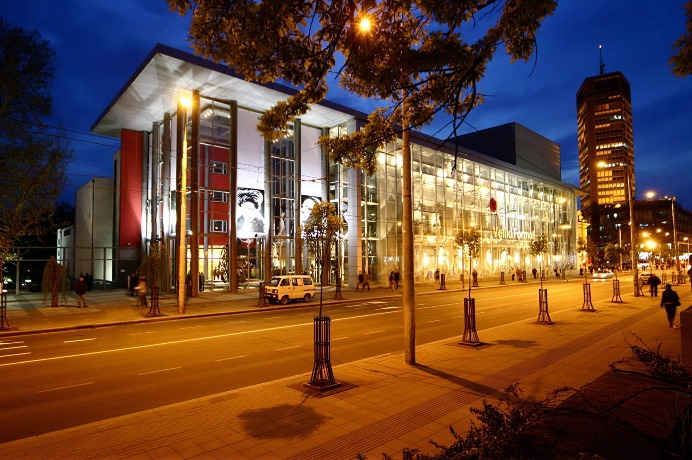
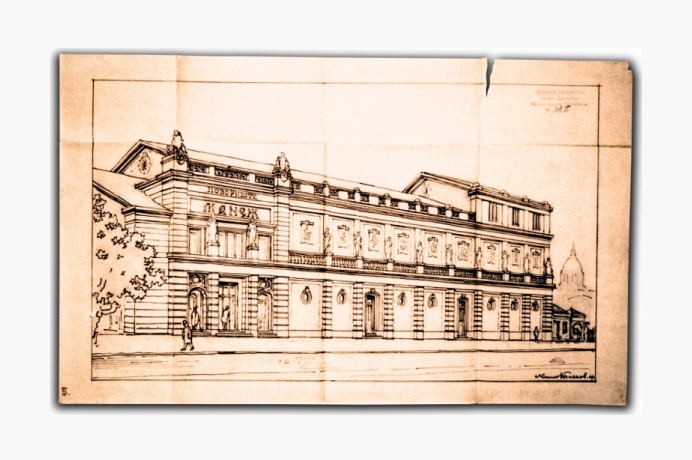
Krasnov's name is also associated with the reconstruction of Ružica Church, work on the interiors of the Royal White Palace in Dedinje, the interior decoration of the National Assembly building, and the project for the "Manjež" theater. The history of "Manjež" largely reflects the fate of Belgrade itself – a city constantly rebuilt and changed under the influence of difficult historical circumstances. Initially, the building of the riding arena was converted into a second stage for the National Theater, where performances of the Moscow Art Theater with plays by A. P. Chekhov and F. M. Dostoevsky were held. In 1927, after one performance, the theater burned down. The very next year, a new building was erected according to Krasnov's design in the academic style, again intended for the theater and decorated with sculptural decor. From 1931, the National Assembly was housed here. During World War II, the building was again used as a theater – this time for the occupation forces – and in 1947, it became the Yugoslav Drama Theatre. Numerous reconstructions changed its appearance, but during renovations in the 1980s, the facade retained the sculpture preserved from Krasnov's "Manjež," a reminder of the time of his work.
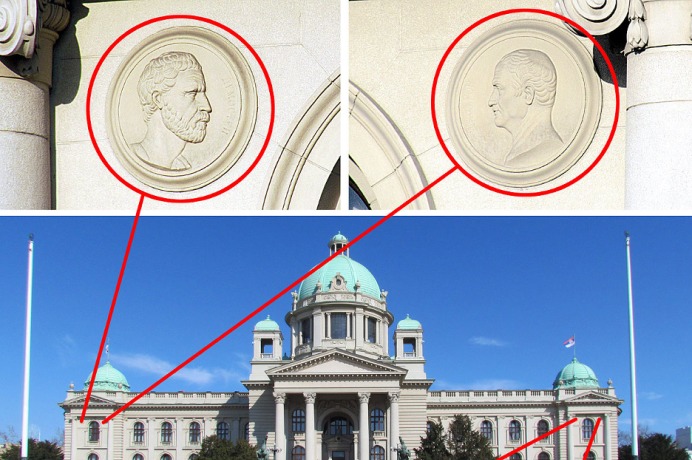
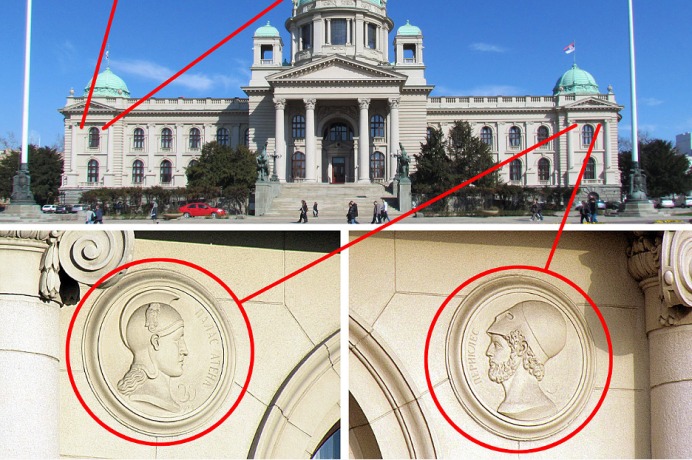
The architect was characterized by attention to detail: his signature is on the interior design project for the National Assembly, which included everything from the overall concept and decorative finishing to sketches of doors, windows, light fixtures, furniture, exterior decor, and the fence around the parliamentary park. Krasnov conceived architecture as a holistic ensemble where no detail was accidental.
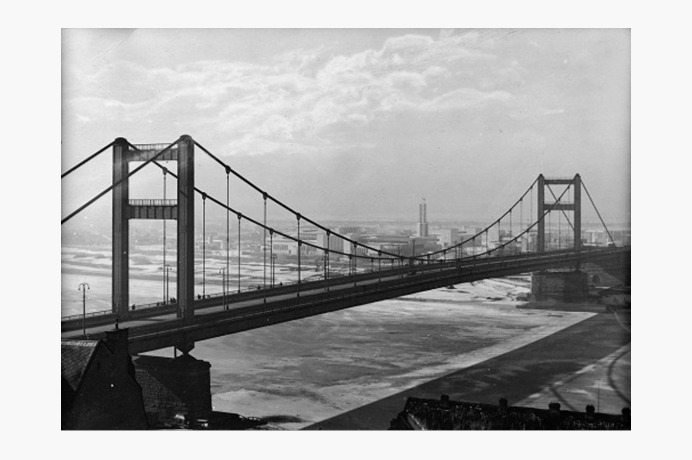
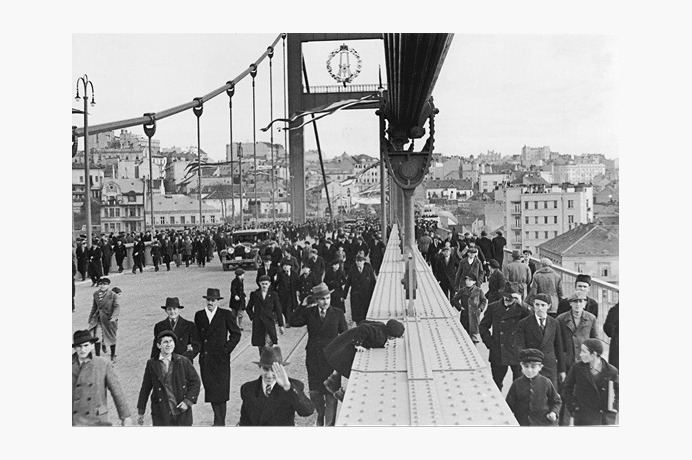
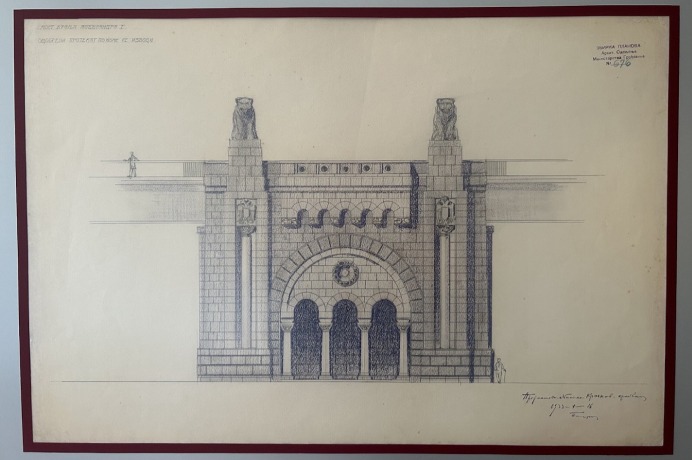
Krasnov often turned to themes of historical memory, which was directly linked to the tasks of shaping the national identity of the Yugoslav kingdom. A striking example is the King Alexander Bridge, where the architectural and sculptural part was meant to symbolically unite different historical eras and peoples. Figures of medieval rulers – the Croatian King Tomislav and the Serbian Emperor Dušan, embodying the glorious past – were placed on the eastern bank. The western bank was intended for "Yugoslav" rulers: the Bosnian King Tvrtko I and Petar I Karađorđević, father of King Alexander. The attempt to symbolically connect different historical eras and inscribe them into the bridge's architecture reflected the intention, characteristic of the interwar period, to create material supports for collective memory. However, it is noteworthy that the planned sculptural ensemble was never realized: the figures of the rulers, meant to embody historical continuity, remained only a project. In this sense, the thought of Pierre Nora from the article "The Worldwide Triumph of Memory" seems particularly illustrative:
"Absolute uncertainty now hangs over the future. And this uncertainty places upon the present – which possesses unprecedented technical means of preservation – the obligation to remember. We do not know what our descendants will need to know about us in order to understand themselves. And this impossibility of foreseeing the future, in turn, places upon us the obligation to reverently and indiscriminately gather any visible signs and material traces that are destined (perhaps) to become evidence of what we are or what we were. In other words, it is precisely the end of all teleology of history – the end of history with a known end – that has placed upon the present that 'duty of memory' that is constantly preached to us"
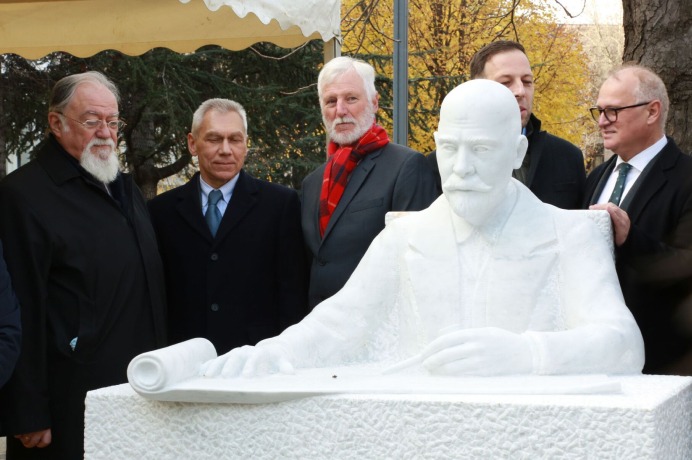
Nikolai Petrovich Krasnov died on December 8, 1939, in Belgrade. He is buried in the Russian section of the New Cemetery – next to the monument to Emperor Nicholas II, the first client of his architectural works. This monument was unveiled in Belgrade in 2019. Today, Krasnov is rightly considered one of the architects who shaped the face of the Serbian capital in the interwar period, and his Belgrade legacy an integral part of the city's history.
We also suggest you watch the documentary film by F. Kudryashov "Not to Act Contrary to One's Duty and Oath”
Objects
Palace of the Ministry of Finance of the Kingdom of Yugoslavia (Currently – Government of the Republic of Serbia / Vlada Srbije)
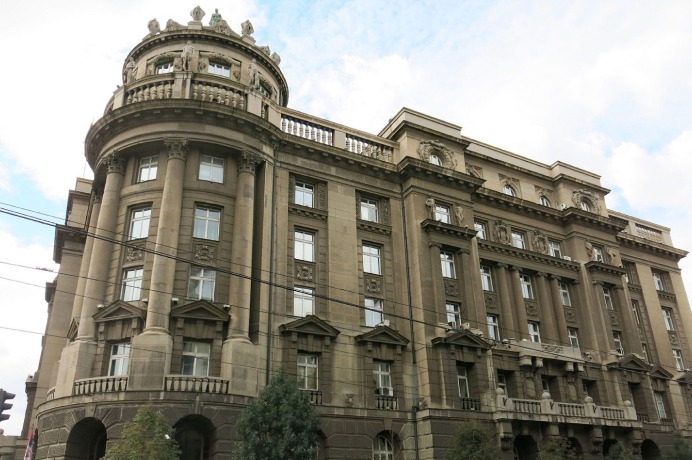
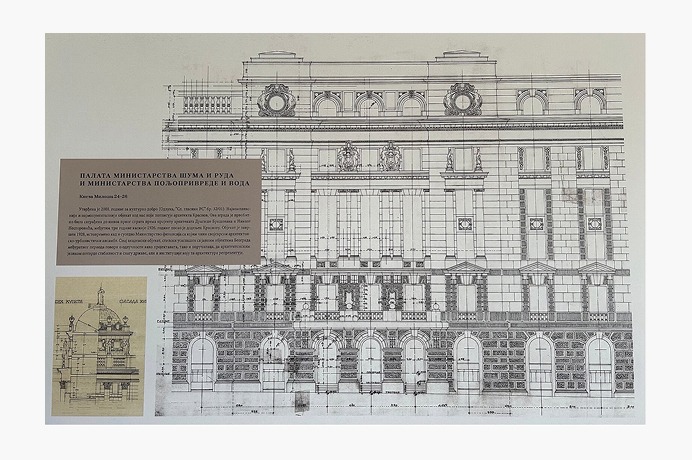
Palace of the Ministry of Forestry and Mining and the Ministry of Agriculture and Water Resources (Currently – Ministry of Foreign Affairs of the Republic of Serbia)
Building of the Serbian State Archives (Karnegijeva Street 2)
"Manjež" Theatre
King Alexander Bridge
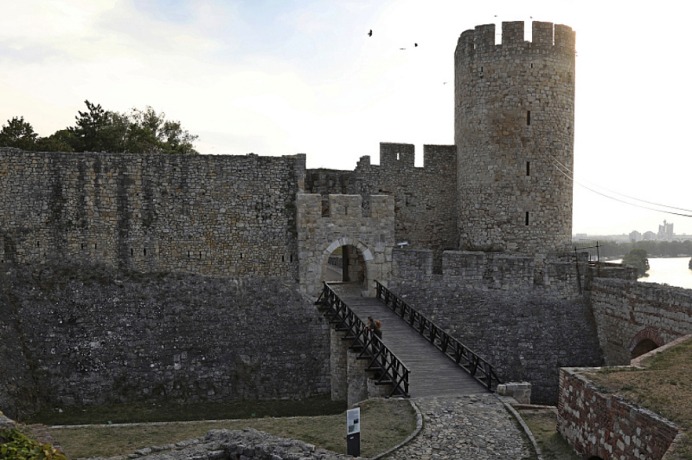
Reconstruction of Ružica Church in central Belgrade – Kalemegdan Fortress.
Royal Palace in Dedinje
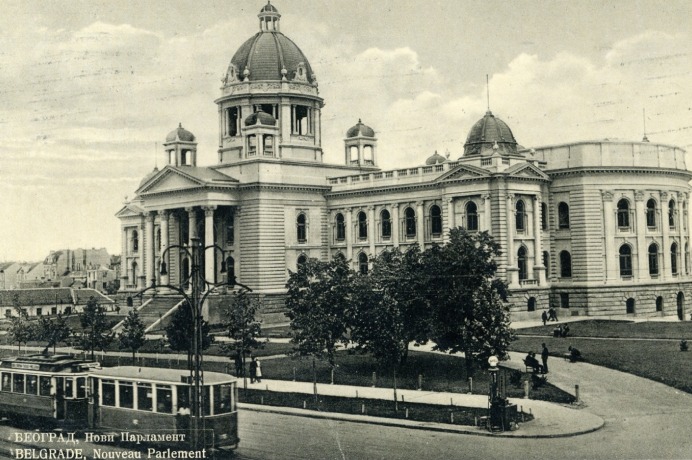
Building of the National Assembly of Serbia
Residential buildings:
14 Terazije Street
House at 9 Knez Mihailova Street
Radojlović House at the corner of Zmaja Jovanovića and Braće Jugovića Streets
House No. 14 on Kneza Miloša Street
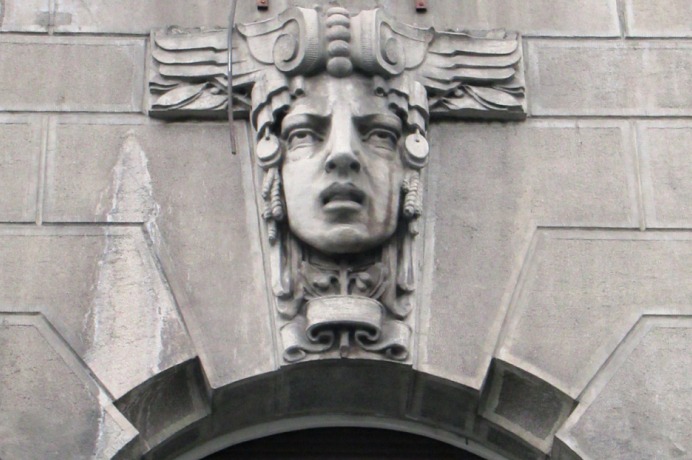
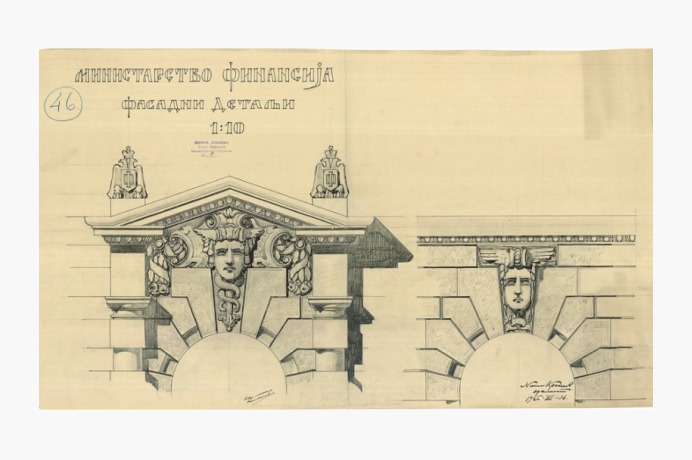
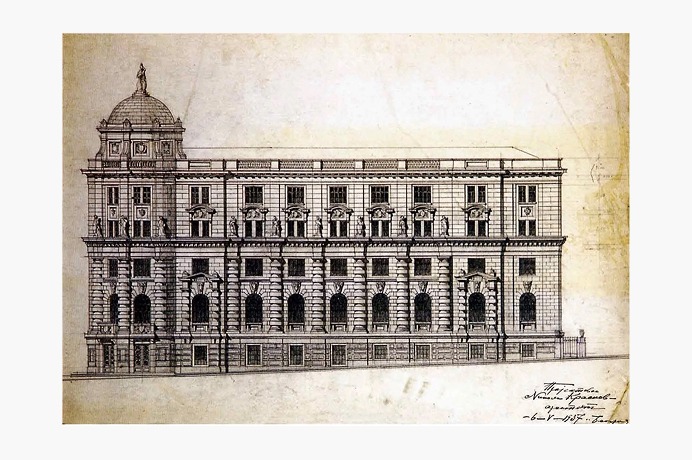
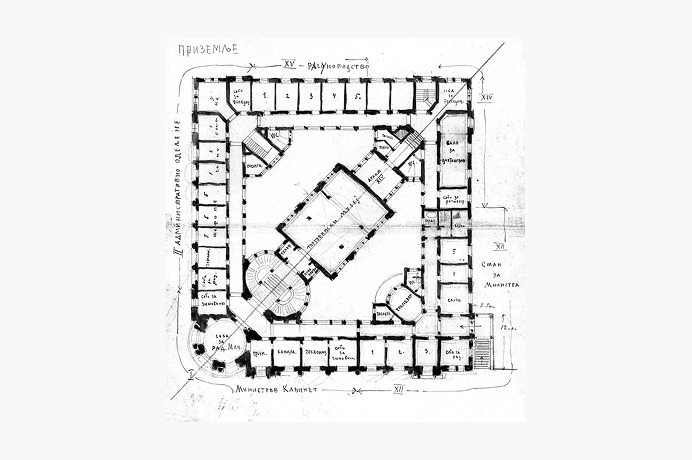
The Ministry of Finance (today — the building of the Government of the Republic of Serbia)
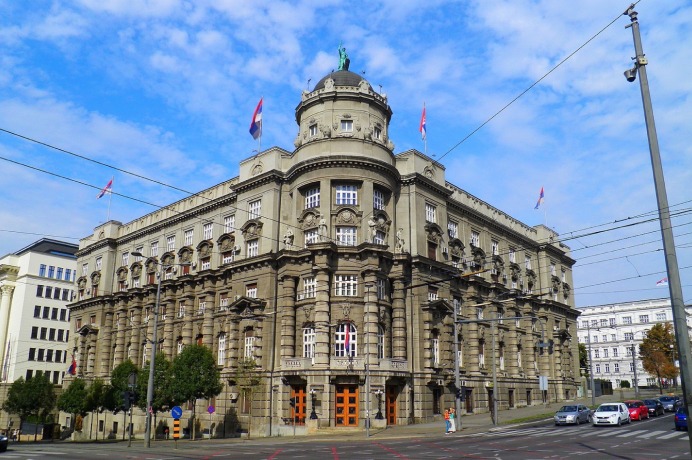
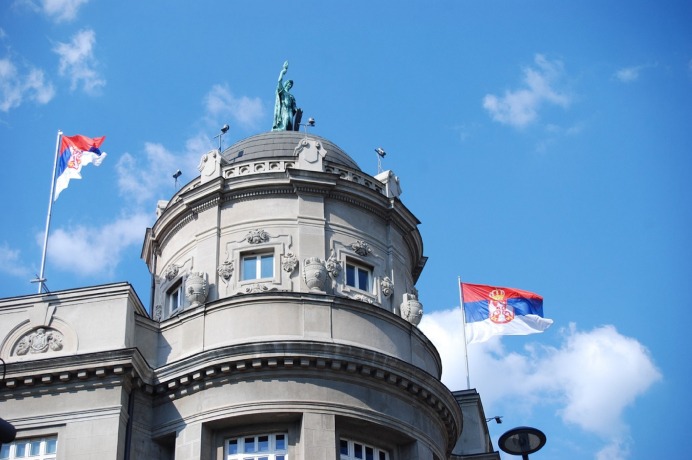
The Palace of the Ministry of Forestry and Mining and the Ministry of Agriculture and Water Resources
The building of the Serbian State Archives
The Manege
The Royal Palace in Dedinje
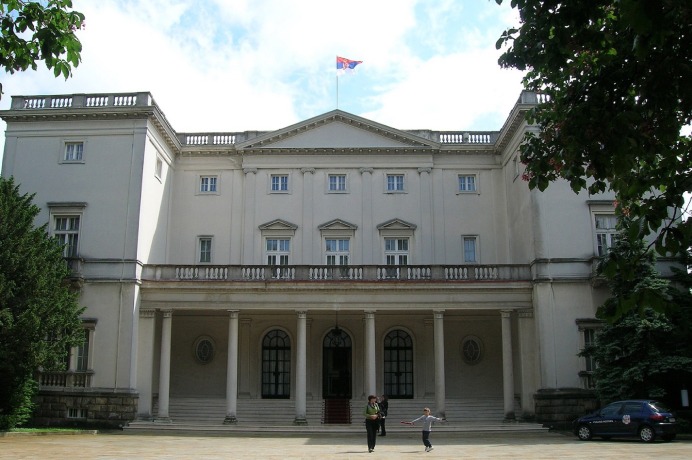
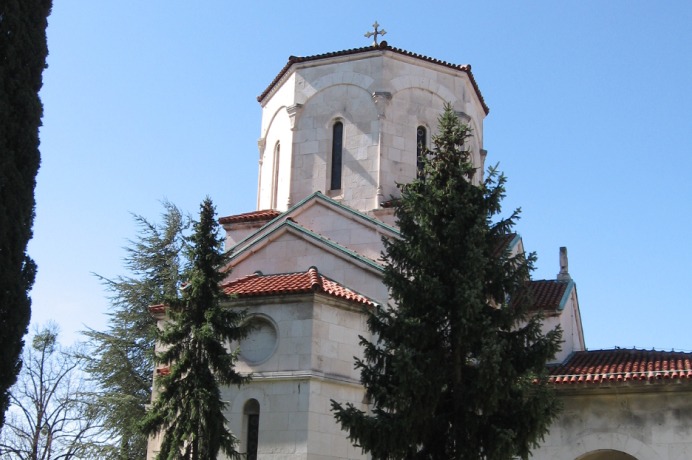
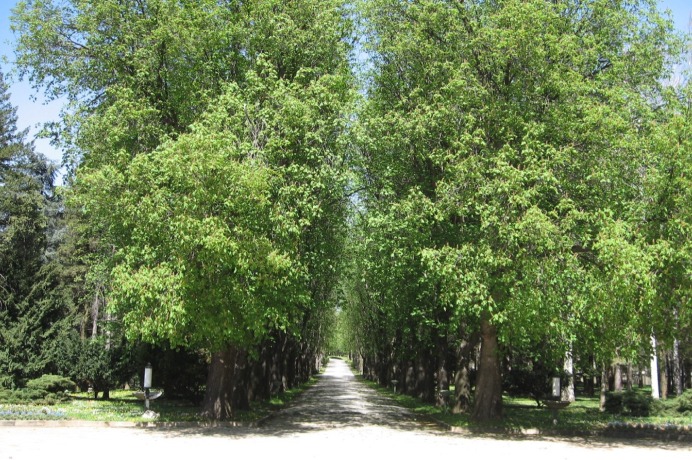
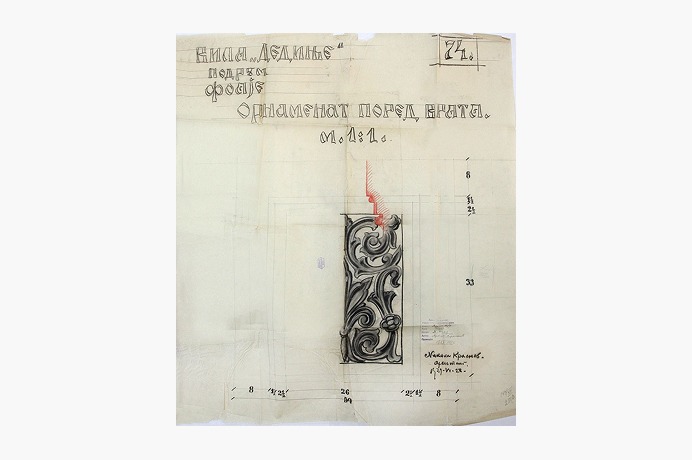
The reconstruction of the Ružica Church in central Belgrade — at the Kalemegdan Fortress
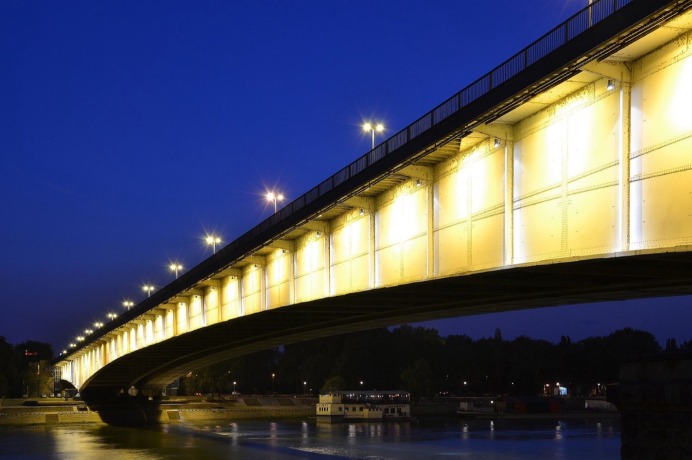
King Alexander Bridge (Branko’s Bridge)
The building of the National Assembly of Serbia
Points
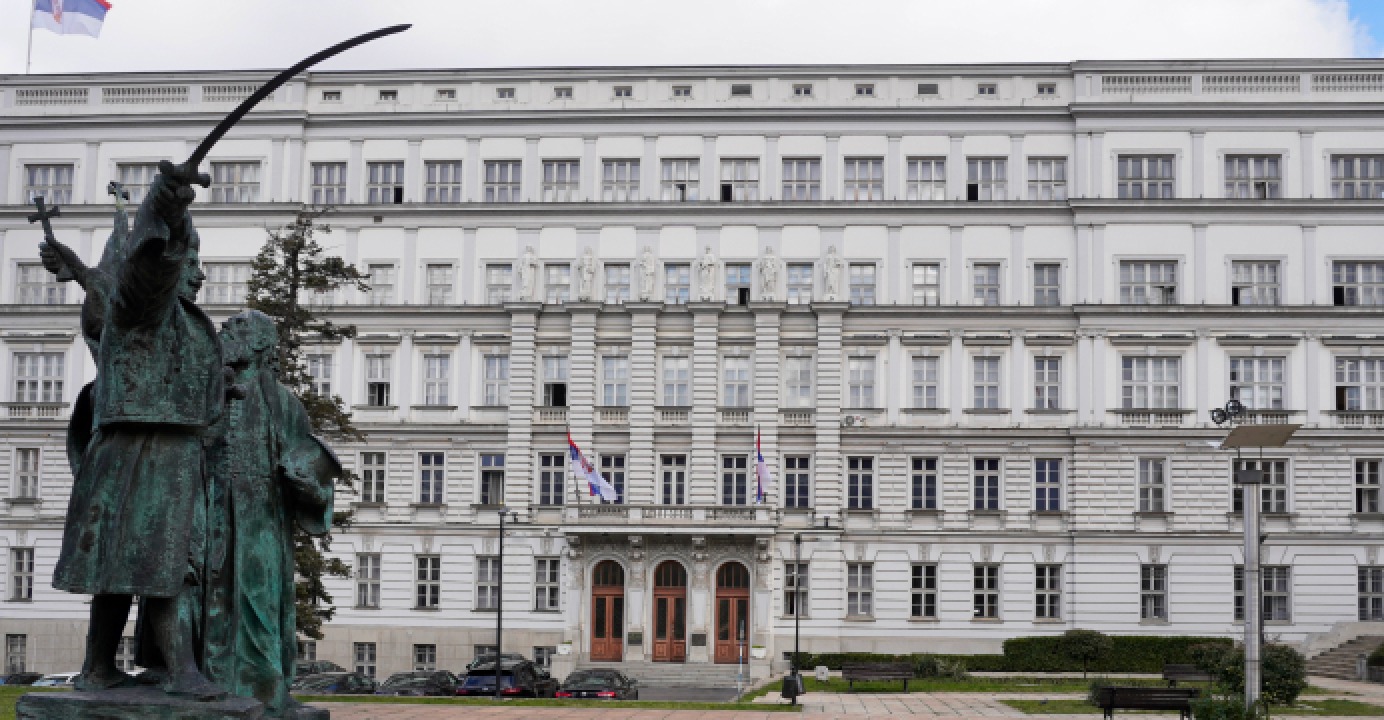
The Ministry of Finance of Serbia
A historic administrative complex and a symbol of Belgrade’s architectural and political development.
ул. Кнеза Милоша, 20, Белград
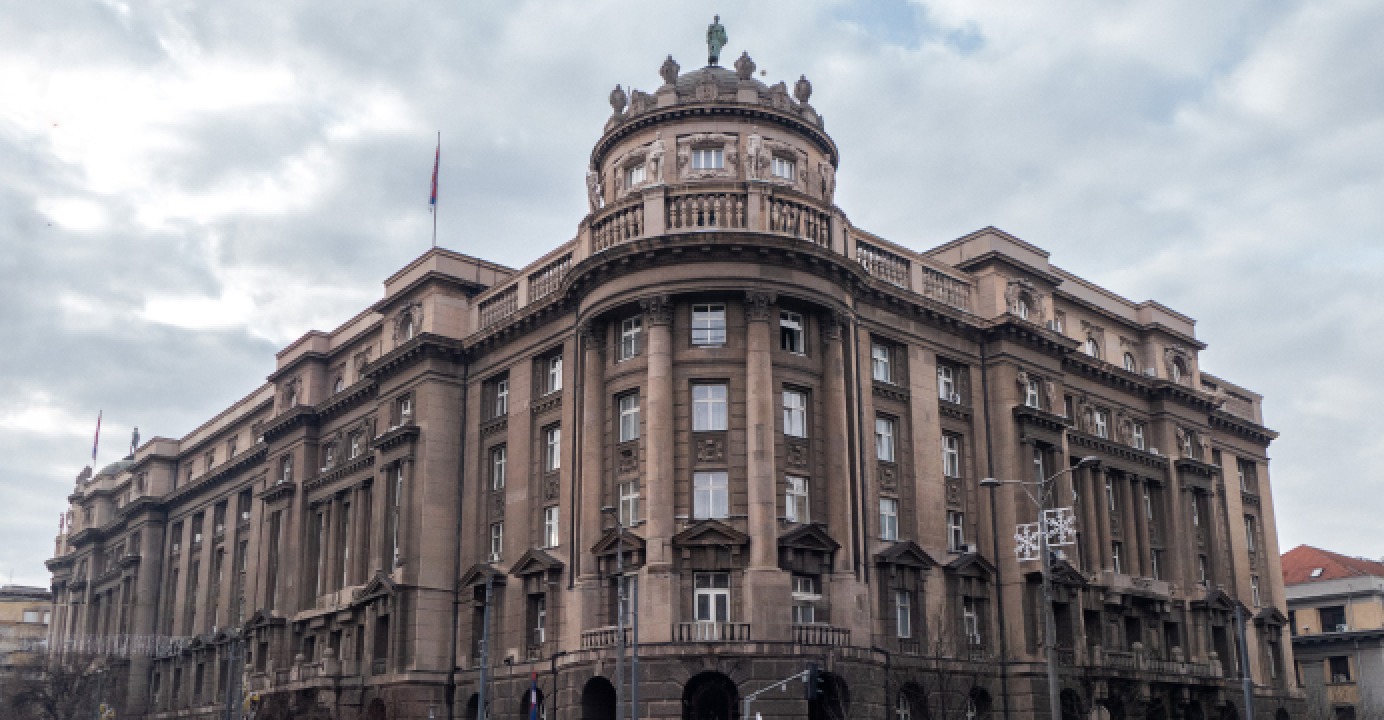
The Ministry of Foreign Affairs of Serbia
A striking example of interwar academicism and an architectural landmark of Belgrade.
ул. Кнеза Милоша, 24–26, Белград
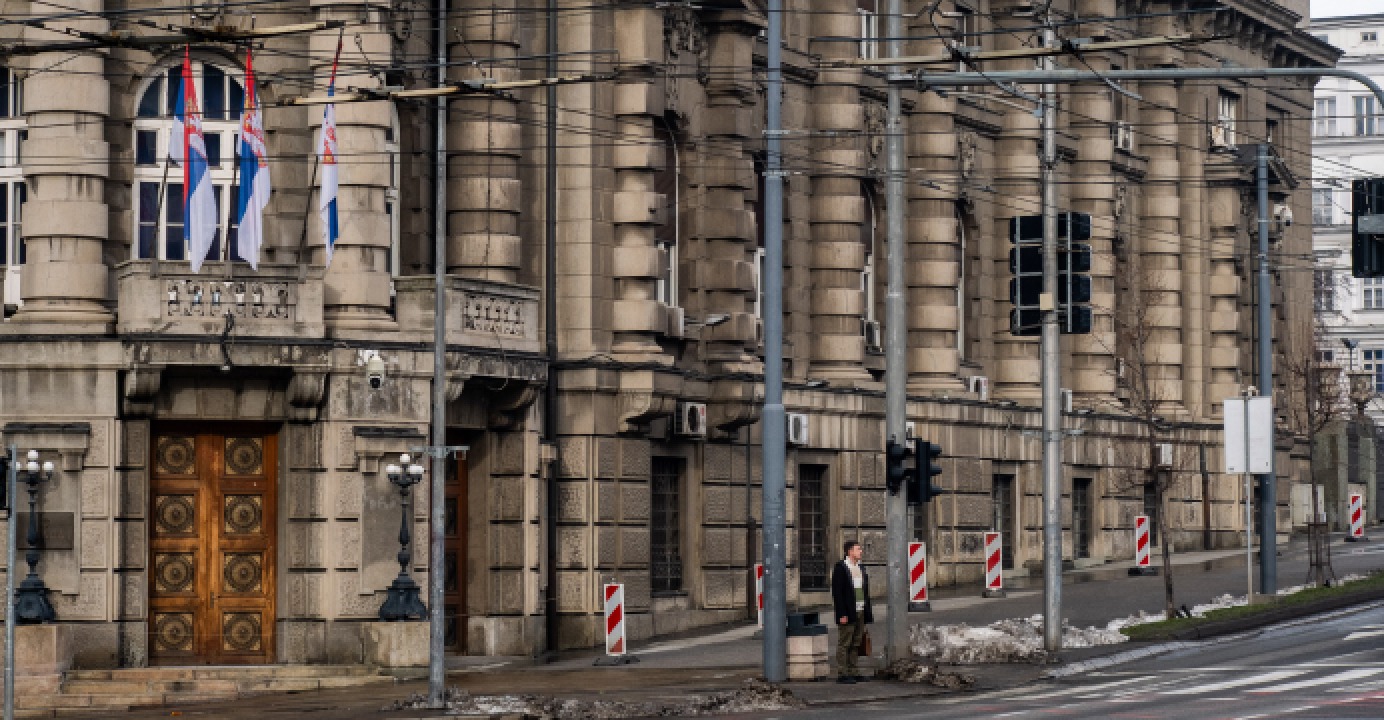
The Government of Serbia
A monumental building with a corner composition, a dome, and sculptures, embodying the idea of the state and the experience of trials endured.
ул. Неманина, 11, Белград
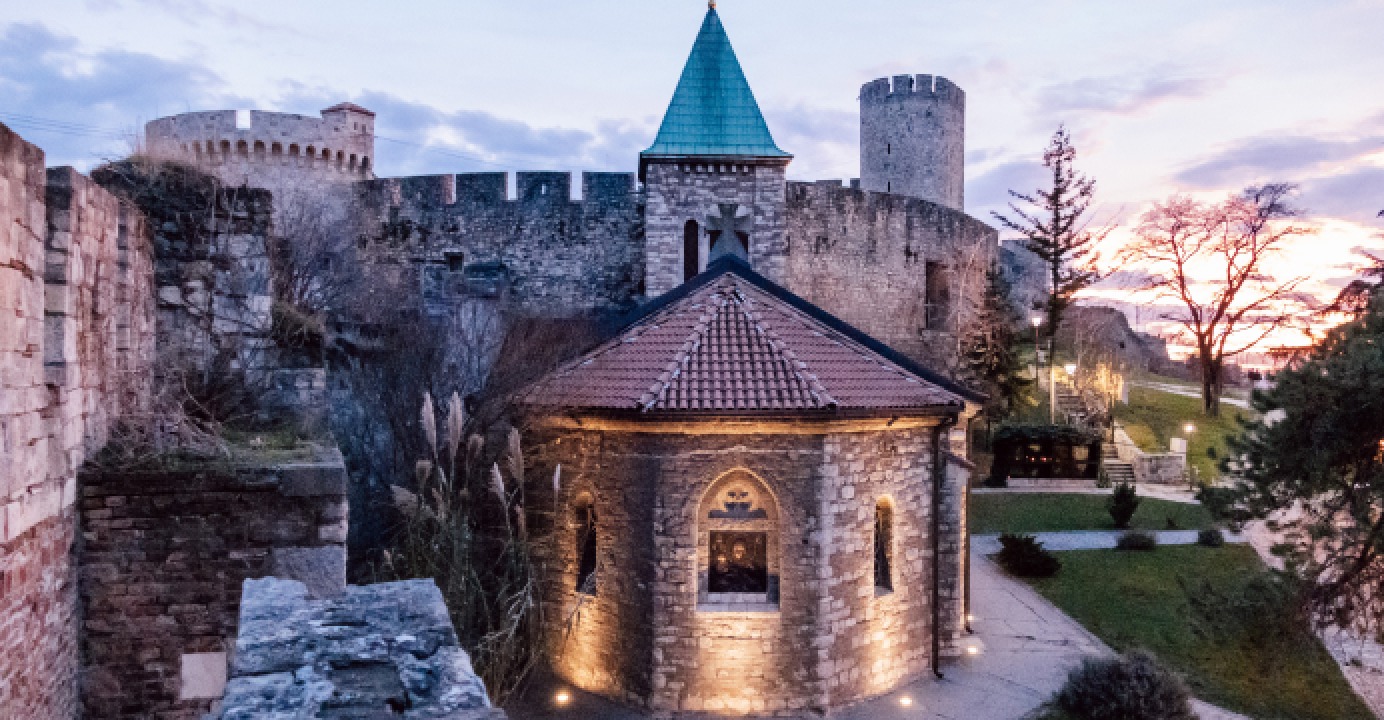
Ružica Church in the Belgrade Fortress
Ružica Church on Kalemegdan is a living monument of history, linking the layers of past years with contemporary Serbian memory. The unique texture of untreated stone, the bronze warriors, and the chandeliers made of weapons create an atmosphere of deep national memory and hope.
округ Белград, Старый Город, Дони град, 1
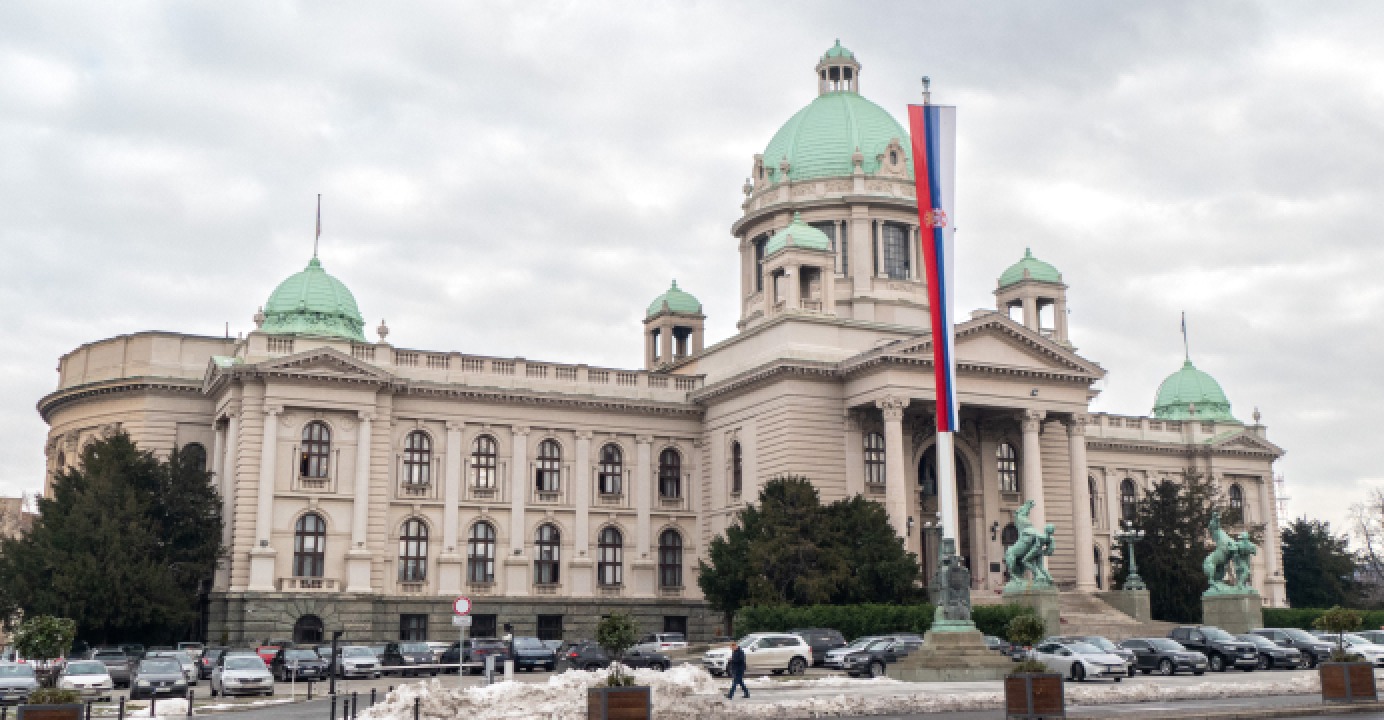
The National Assembly of Serbia
An iconic building of Belgrade, a symbol of Yugoslav statehood, built in the style of the Italian Renaissance.
округ Белград, Старый Город, Трг Николе Пашича, 13
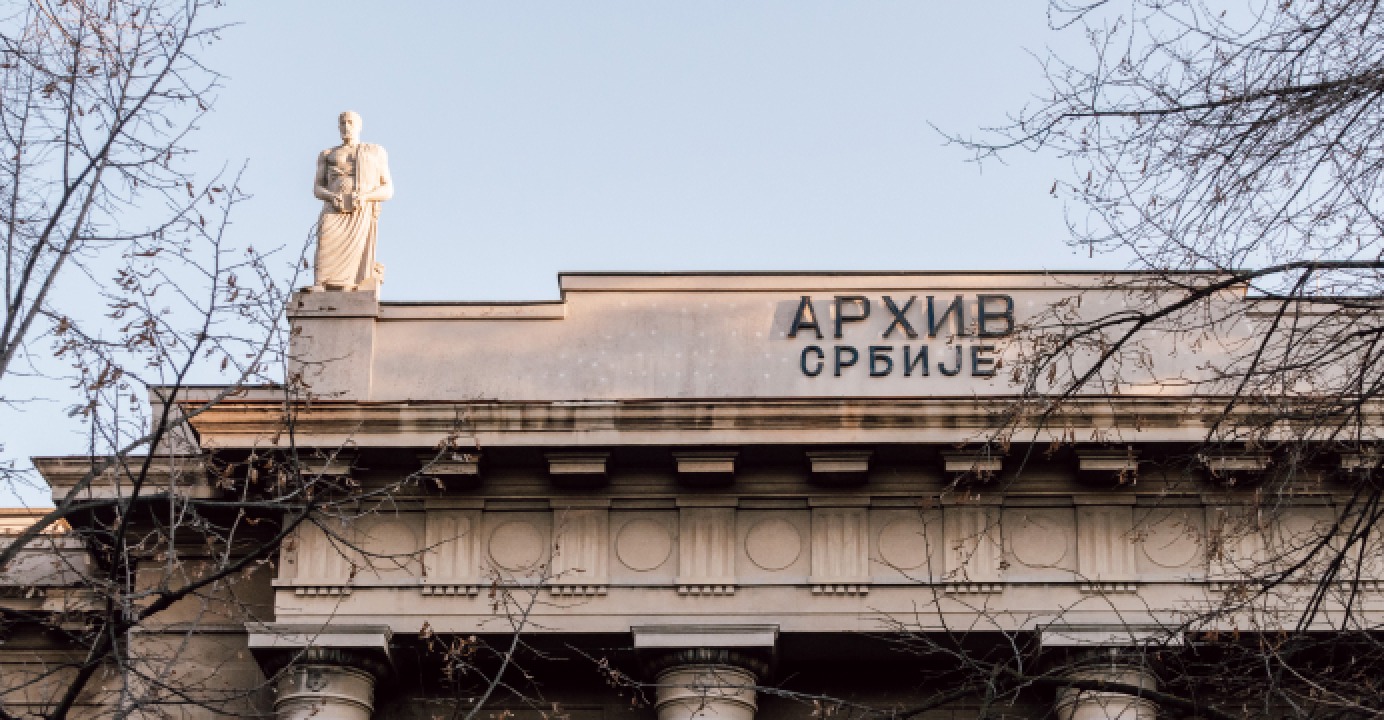
The Archives of Serbia
An example of academicism in which architecture preserves historical memory and state identity with restraint and reliability.
ул. Карнегиева, 2, Белград
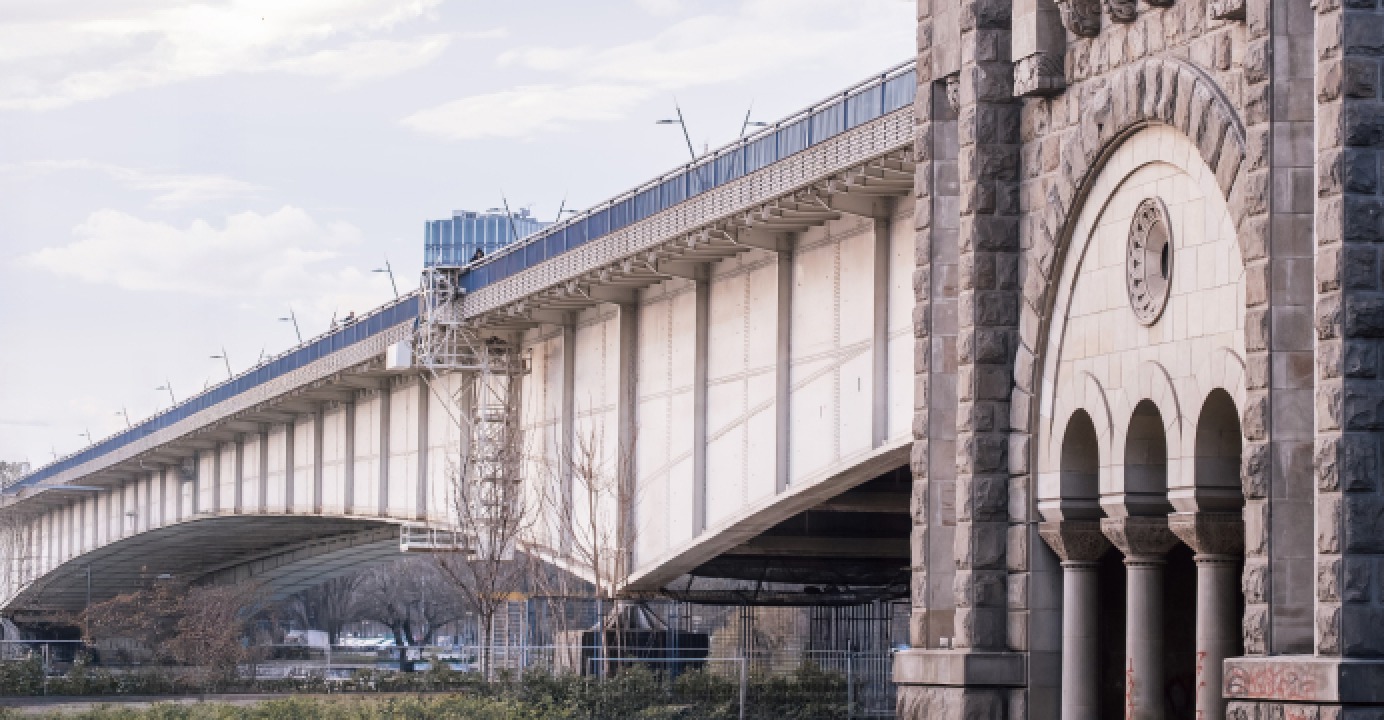
Branko’s Bridge
Branko’s Bridge is an iconic crossing over the Sava, a symbol of the unity of Belgrade and Zemun, combining Romano-Byzantine architectural motifs with a rich historical meaning.
Бранков мост, Белград
Date of Birth
23 November 1864
Date of Death
8 December 1939