Grigory Ivanovich Samoylov
If Krasnov was the most renowned architect of the 1920s, then in the 1930s and later, before and after the war, that position was assumed by Grigory Ivanovich Samoylov.
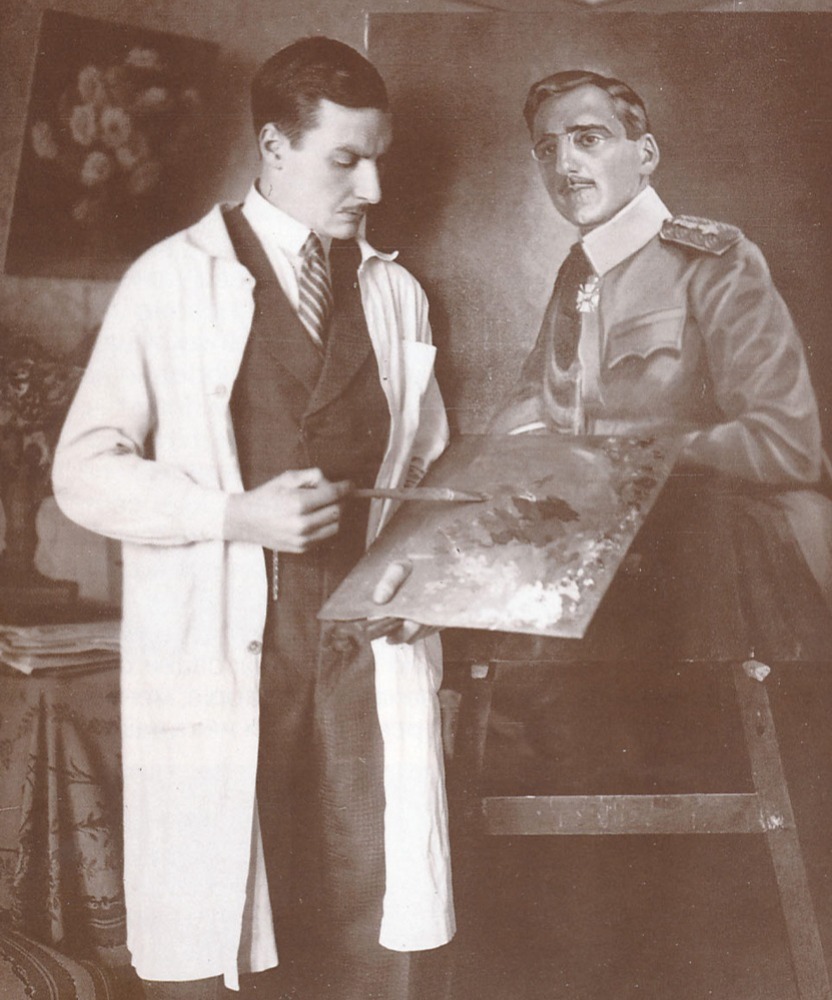
Grigory Ivanovich Samoylov was born in 1904 in Taganrog into a prosperous family, which allowed him to receive an artistic education already during his years at the gymnasium. His talent manifested itself quite early: at the age of fourteen he was creating set designs for two opera productions in his native city. After the October Revolution, the Samoylov family left Russia with the wave of emigration. After a difficult journey through Crimea and Constantinople, they ended up in Bileća, where Grigory graduated from the Don Cadet Corps named after Emperor Alexander III. In the mid-1920s, Samoylov entered the Department of Architecture at the Technical Faculty in Belgrade and completed his studies in 1930.
If Krasnov was the most famous architect of the 1920s, then in the 1930s and later—before the war and after it—that role belonged to Grigory Ivanovich Samoylov.
By the 1930s, no one had any doubts: Samoylov’s star had risen. In 1931 he won the competition for the design of the building of the Pension Fund for Officials and Employees of the National Bank, one of the most expressive examples of Belgrade monumentalism of the late 1930s. It later housed the Odeon cinema, and today the building is home to Pozorište na Terazijama. This is hardly surprising: changes of function and the reinterpretation of space are generally characteristic of buildings by Russian architects in Belgrade.
"arguably the most significant example of Belgrade monumentalism from the late 1930s" (M. Miloradović)
In 1932 Samoylov was invited to the Department of Architecture of the Technical Faculty as an assistant to Associate Professor Aleksandar Deroko for the course "Serbian-Byzantine Architecture." After passing the state examination in 1933, he received the right to private practice and, before the start of the Second World War, carried out dozens of projects in Belgrade and other cities of Serbia. These included the villa of the Radenković family on Pushkin Street, which received the Belgrade Prize for the best architectural solution, the building of the Ministry of Public Education, and his participation (1935–1937) in developing the project for the White Palace in Dedinje in collaboration with Aleksandar-Saša Đorđević.
Samoylov possessed a deep knowledge of historical styles and an ability to combine composition, proportions, and spatial solutions organically—something he owed to his artistic education and his profound love of painting, from which he never parted until his death. In private architecture he turned both to the Serbian-Byzantine style and to the forms of the English and French Neo-Renaissance. In addition, Samoylov also experimented with Art Deco as a style combining decorative richness, monumentality, and technological innovation.
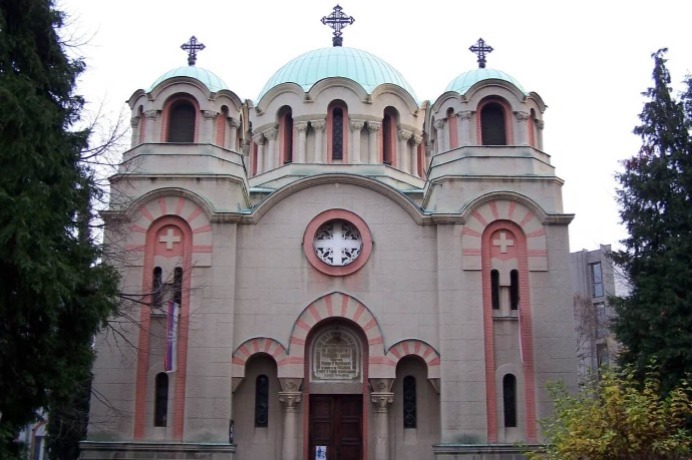
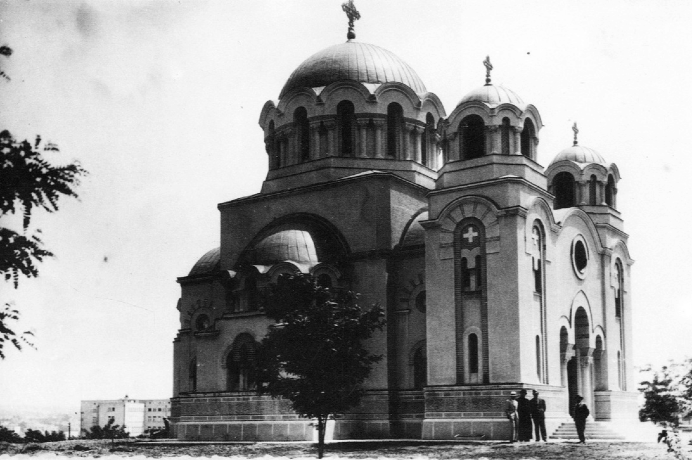
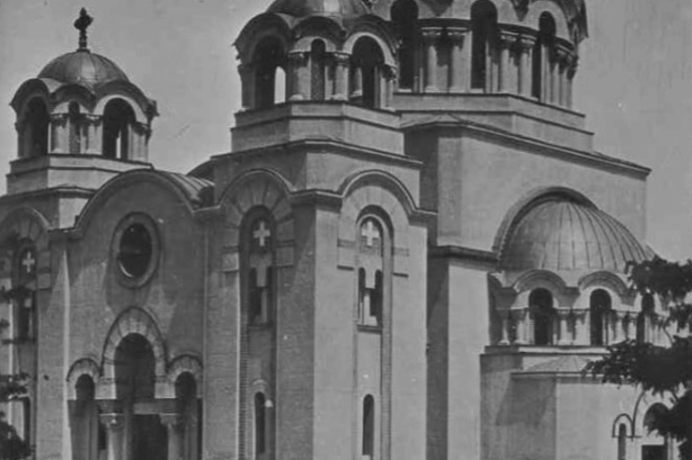
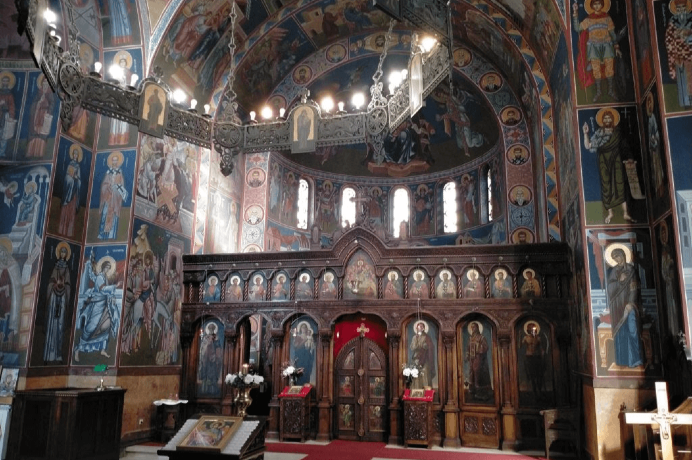
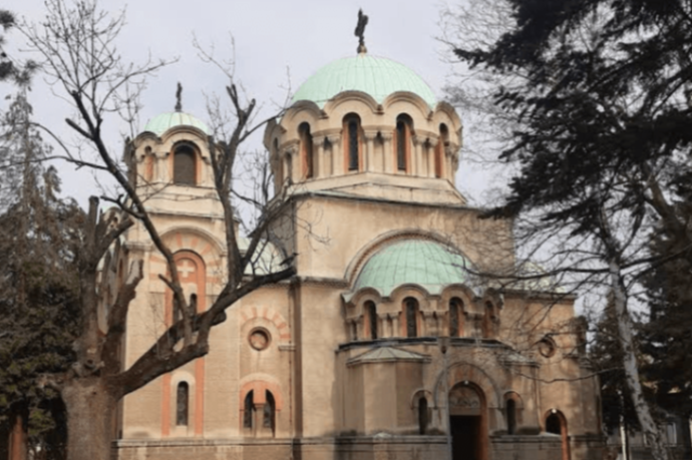
A special place in his prewar work was occupied by sacred architecture. The Church of St. Archangel Gabriel on Humska Street became an example of the subtle combination of traditional form and carefully considered acoustics, thanks to which the church gained a reputation as one of the best-sounding in the capital. Samoylov created the interior and iconostasis of the Church of the Holy Trinity (now the Cathedral Church of Christ the Saviour) in Banja Luka, and he worked on church interiors and iconostases in other cities as well. In these projects he revealed himself not only as an architect but also as an artist—a role that was especially close to Samoylov.
The war abruptly interrupted this creative rise. During the construction of a defensive bunker on Fruška Gora, Samoylov found himself in a combat zone. After the retreat of the Yugoslav army, he was taken prisoner and spent four years in Stalag IX-C near Buchenwald. Even in captivity he continued to work: in the camp chapel he created an iconostasis in the Serbian-Byzantine style. This iconostasis was later transferred to the chapel at the Central Cemetery in Belgrade.
"I decided to create the best chapel in the world with an iconostasis in the Serbian-Byzantine style"
After his liberation, Samoylov returned to teaching and until 1974 taught courses in drawing and painting, eventually receiving the title of professor. In the postwar period his architectural language became more adapted to modernity: he turned to functionalism without abandoning artistic expressiveness. Among his significant projects were the interiors of the Academy of Sciences building, the Yugoslav Bank for Foreign Trade with its glass curtain wall, and the reconstructions of the Moskva and Excelsior hotels. After retiring, Samoylov continued to work until his death in 1989.
Samoylov the architect has not been forgotten by Belgrade, and the buildings he designed continue to adorn the Serbian capital.
Buildings and projects by Grigory Samoylov in Belgrade
Building of the Pension Fund for Officials and Employees of the National Bank
Church of St. Archangel Gabriel
Building of the Serbian Academy of Sciences and Arts (SASA), Belgrade (reconstruction)
Interior of the Yugoslav Bank for Foreign Trade
Residential building at the corner of Durmitorska 21 and Knez Miloš 84—a seven-storey building with unique vertical rows of pentagonal balconies
Buildings of the Faculty of Mechanical Engineering and the Faculty of Technology in Belgrade
The White Palace in Dedinje
Reconstructions and interiors of the Moskva and Excelsior hotels in Belgrade
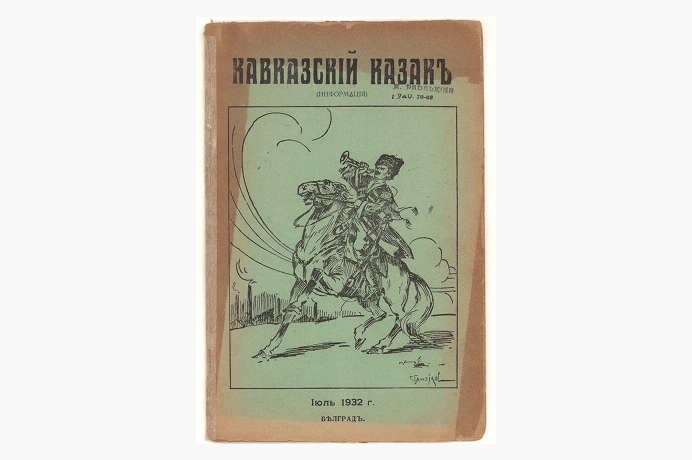
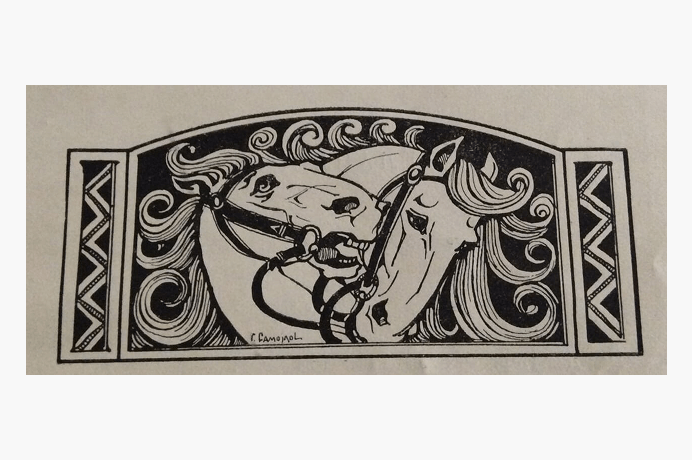

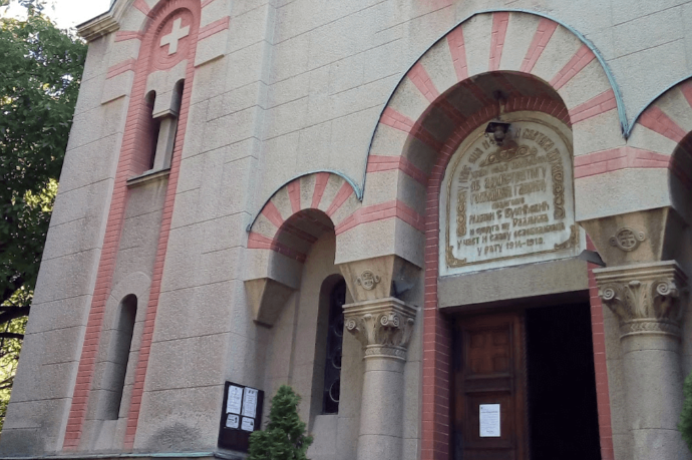
Church of Archangel Gabriel on Humska Street
Points
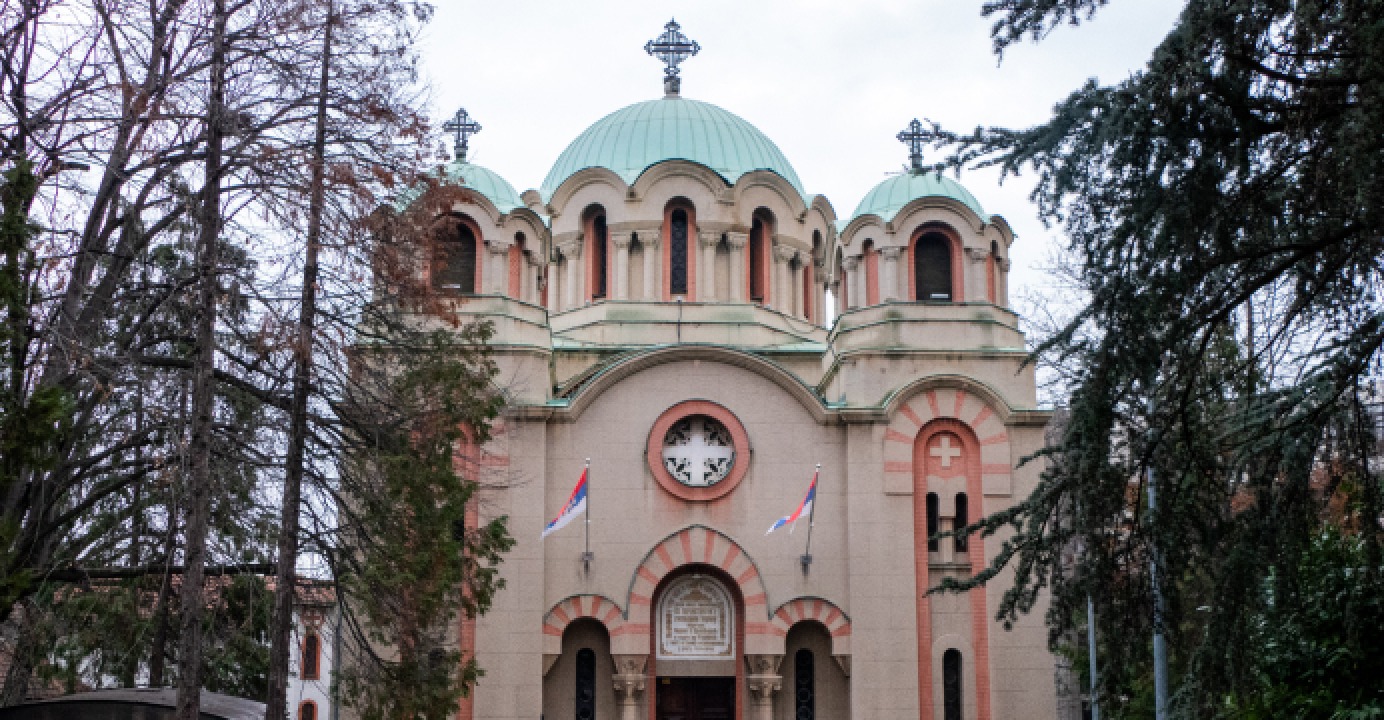
The Church of the Archangel Gabriel
The Church of the Archangel Gabriel, built in 1939, harmoniously combines national traditions, Byzantine forms, and modern architectural ideas.
ул. Хумска, 26, Белград
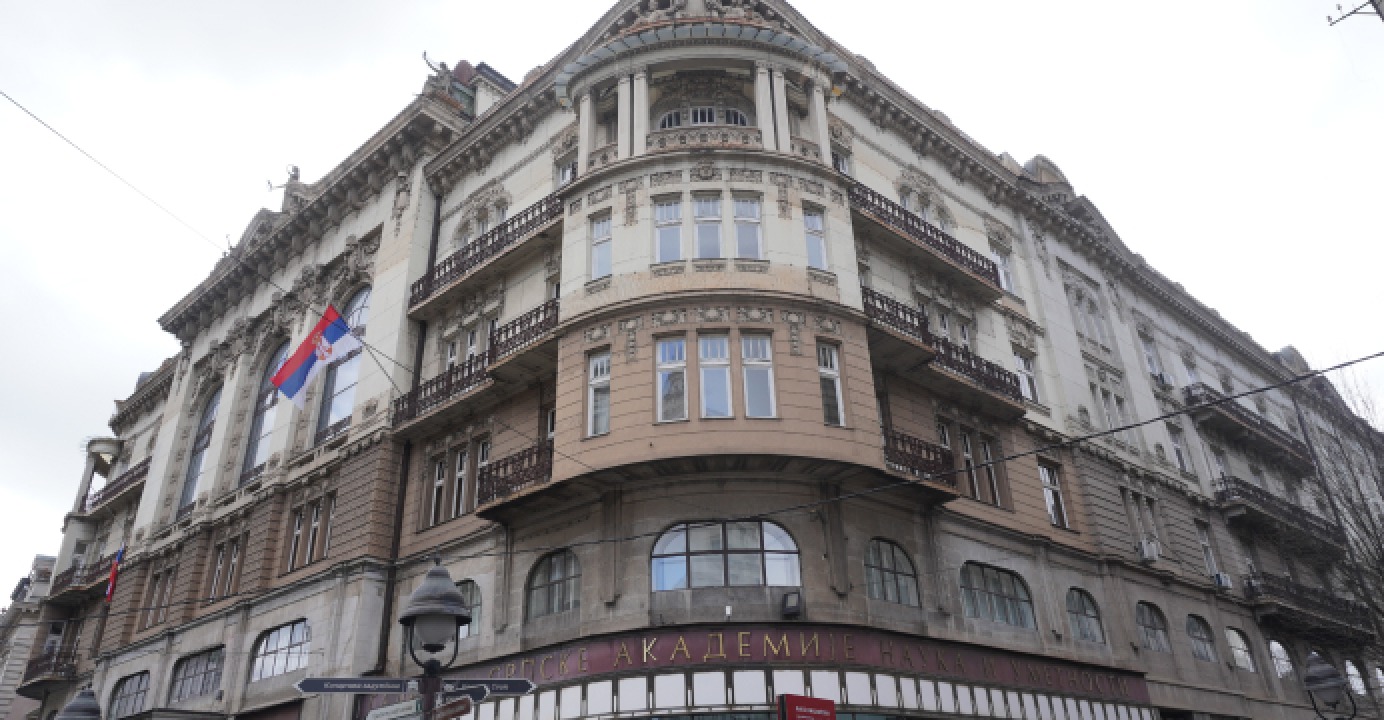
The Serbian Academy of Sciences and Arts
The Serbian Academy of Sciences and Arts on Knez Mihailova Street is a harmonious combination of academic rigour and creative Art Nouveau, remaining a cultural and intellectual anchor in the heart of Belgrade.
ул. Кнеза Михаила, 35, Белград
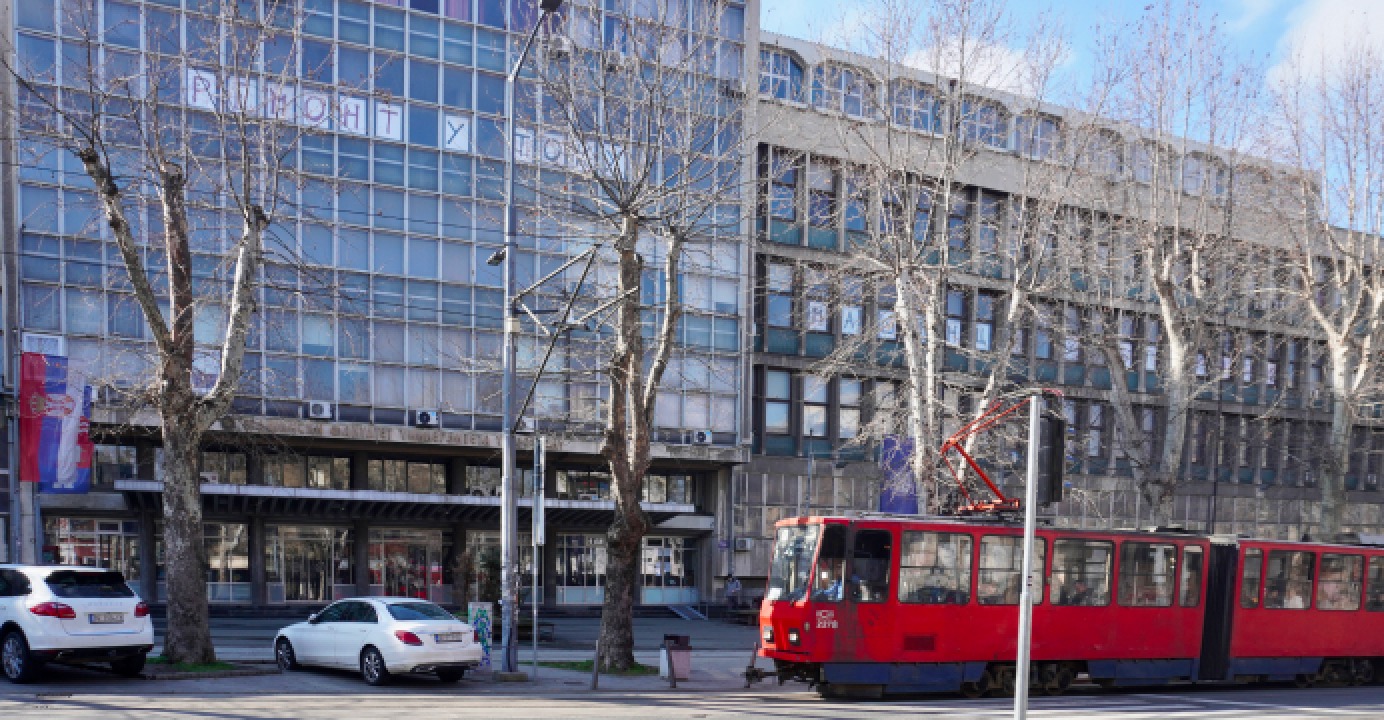
The Technical and Mechanical Engineering Faculties
A monumental complex with inner courtyards and expressive sculptural articulation, embodying the idea of engineering knowledge as a “temple of progress” and symbolizing the contribution of Russian specialists to the modernization of Belgrade.
ул. Королевы Марии, 16, Белград
Date of Birth
8 September 1904
Date of Death
15 October 1989