Viktor Viktorovich Lukomsky
An artistic Russian émigré architect of the “middle generation,” who masterfully combined Serbian-Byzantine traditions with academic monumentality
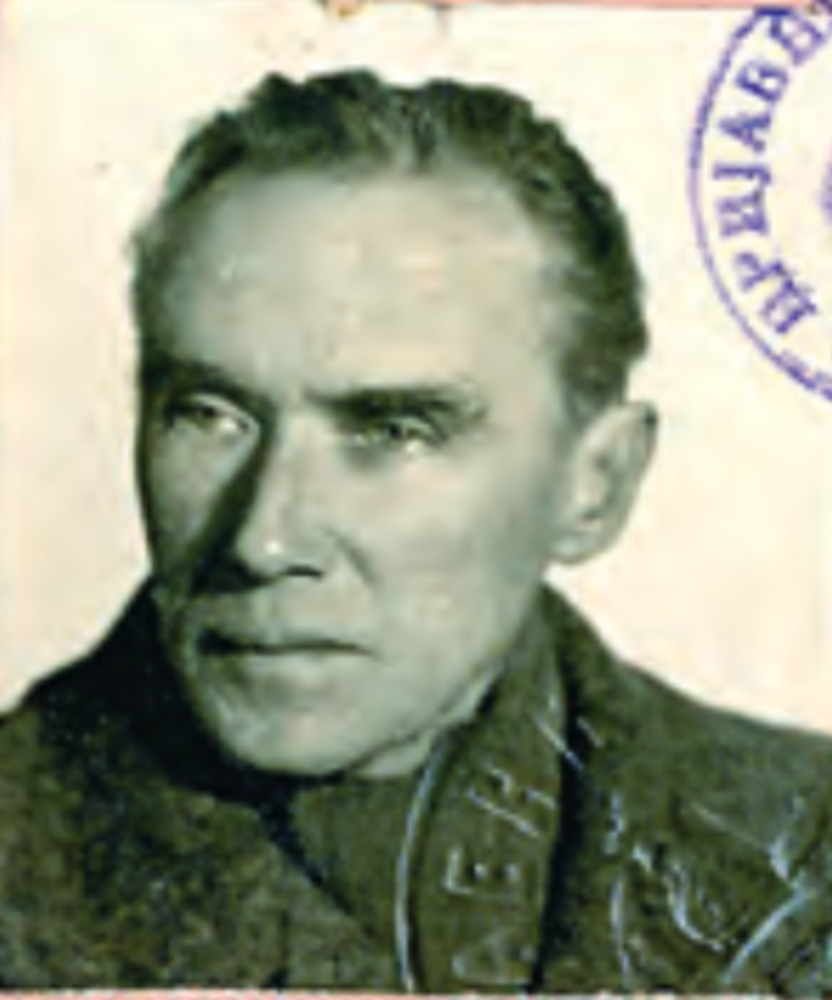
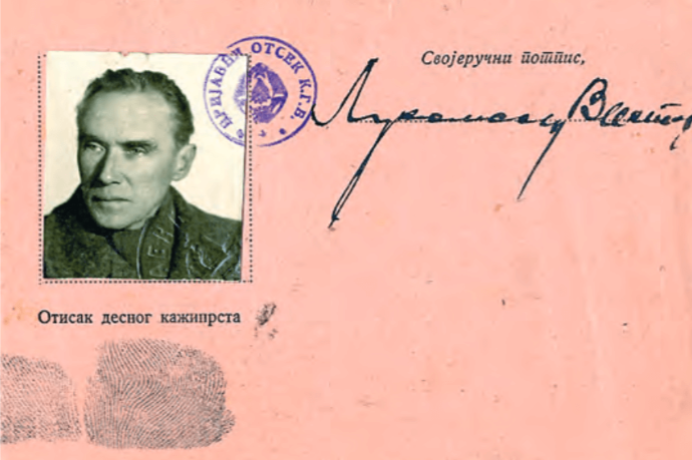
Known for his artistic temperament, Viktor Lukomsky, a graduate of the Nicholas I Higher Military Engineering Academy, belonged to that 'middle generation' of Russian emigre architects that came into professional maturity already in the Kingdom of Yugoslavia - in direct contact with local artistic and political demands. At the same time, his biography preserves the 'split' characteristic of emigration even at the level of documents: Belgrade archival materials record discrepancies in the place of birth (Kaluga / Petrograd), and the 1945 identity certificate is considered the more reliable source.
Lukomsky arrived in Yugoslavia in 1920 and began working in the architectural department of the Ministry of Construction. As early as 1921 he won third place in a competition for the design of one of the ministry buildings, and at the end of 1930, having obtained permission for independent practice, he opened an architectural bureau. At the same time he was an active participant in Belgrade's artistic life: he belonged to the Russian group 'K.R.U.G.,' which brought together emigres of every persuasion and artistic discipline, took part in exhibitions, and joined professional artists' associations.
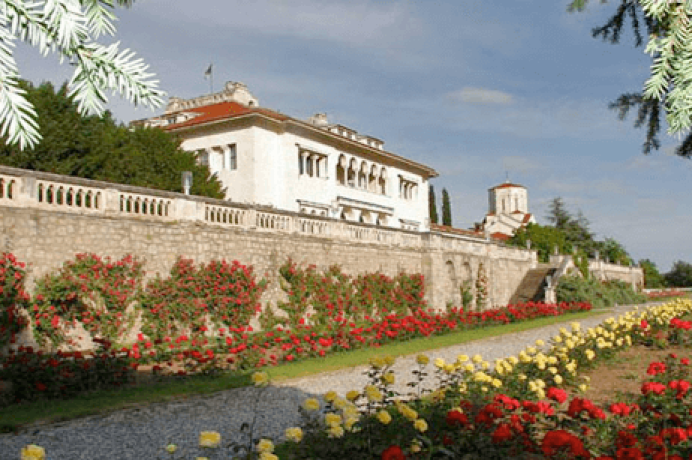
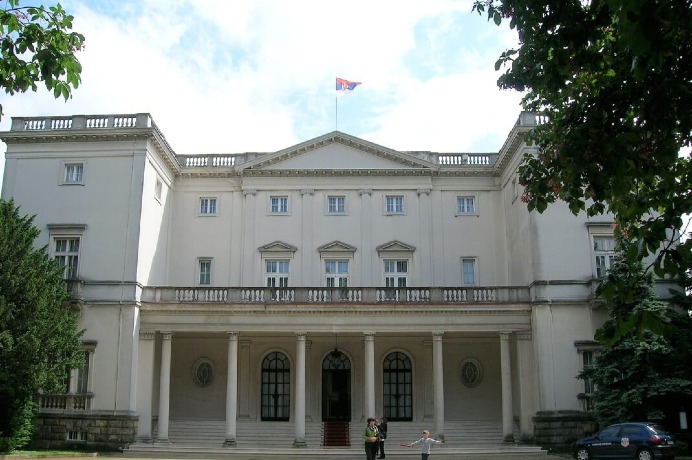
Lukomsky's professional path can be conditionally divided into three directions. The first is connected with projects representing the architecture of power: a vivid example is the complex of royal villas at Dedinje, built in the Serbian style with elements of Russian palace architecture. The second direction is work with the urban landscape: this includes the Hotel Avala, participation in the construction of the Student Dormitory in the Park of Saints Cyril and Methodius together with Georgii Kovalevsky, and numerous villas and private houses for the residents of Belgrade.
"the hotel on Avala bears the imprint of a personality that regards architecture as an art"
The third direction is connected with sacred architecture: together with Z. Nikolic he designed the Church of St. Andrew - the patron saint of the Karadjordjevic dynasty - in the style of medieval Serbian church architecture (at the king's wish, the church was built after the model of the King's Church at the Studenica Monastery, whose patron was King Milutin); the Church of St. Sava on Vracar, consecrated by Patriarch Varnava; and participation in the construction of the Cathedral of St. Sava.
In secular architecture Lukomsky often turned to the so-called 'new Serbian style,' combining elements of the Serbian-Byzantine tradition with the academic strictness of composition. His buildings were distinguished by massiveness, emphasized monumentality, and a striving for symmetry. He worked most freely and expressively precisely in church architecture: stylizing medieval Serbian motifs, he created a recognizable type of church - strict and laconic in outward appearance, restrained in decoration, yet saturated with an inner spiritual atmosphere.
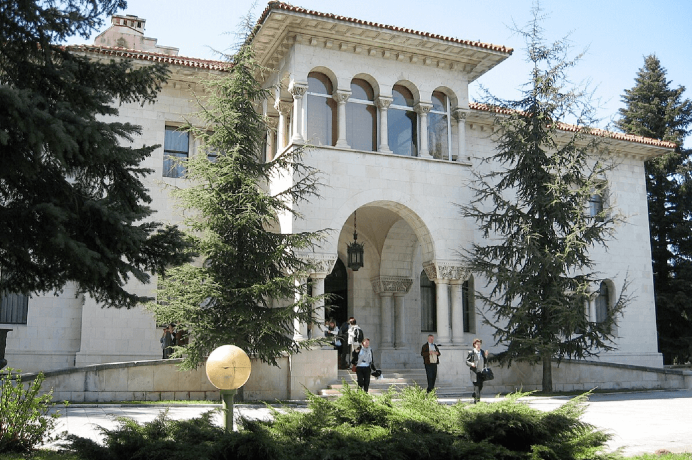
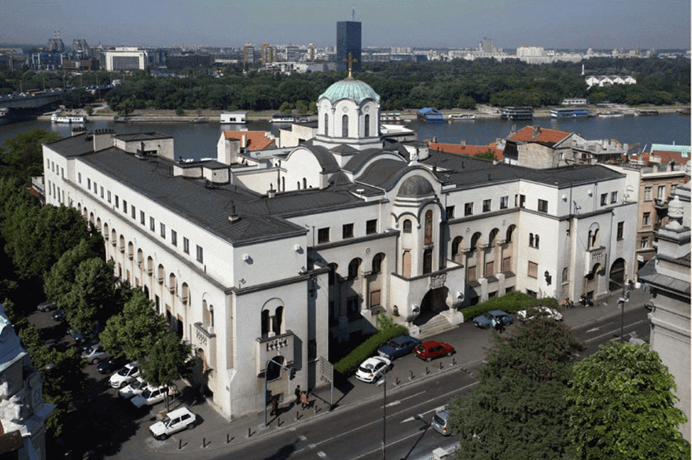
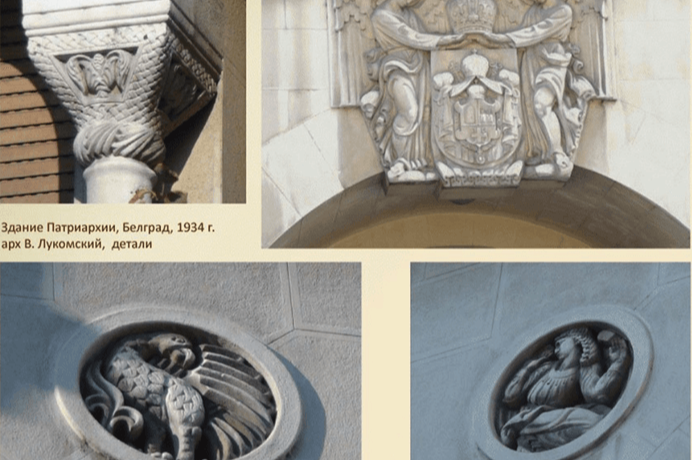
Finally, one of Lukomsky's most significant works was the building of the Patriarchate of the Serbian Orthodox Church, inspired by the Serbian-Byzantine style and erected on the site of the former metropolitan residence. The central facade is decorated with a coat of arms and a rich mosaic featuring St. John the Baptist, the patron saint of Patriarch Varnava's family.
Even if Lukomsky had been the author of only one building - the Patriarchate - his name would still have entered the history of Belgrade.
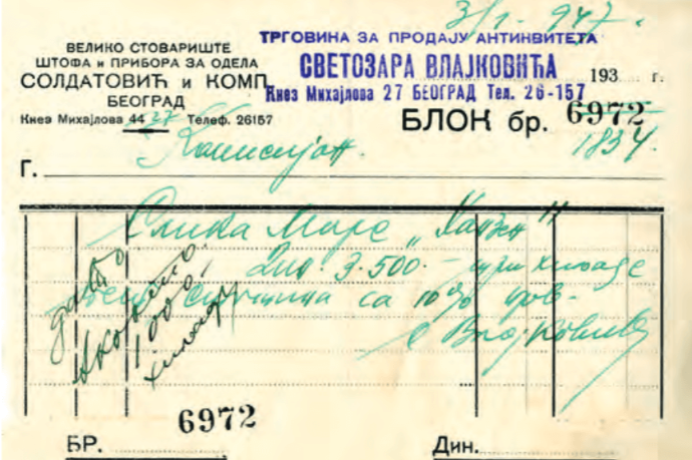
A separate - and deeply human - line of his story opens up in documents from the postwar years. Archival materials record Lukomsky's modest and vulnerable existence after 1945: he sold and pawned personal belongings, endured wartime destruction and displacement, and after the war worked as an architect at the electrification enterprise 'Istok'; it was this company that paid for his funeral after his death in 1947.
Buildings and projects in Belgrade
Old Palace at Dedinje (works/projects as part of the palace complex, 1924-1932)
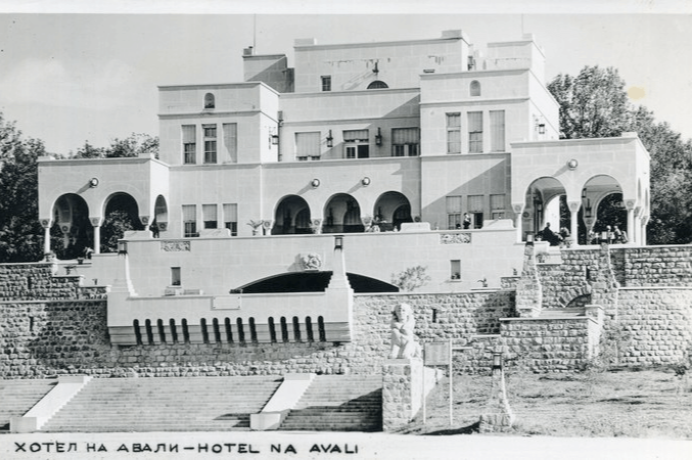
Hotel Avala on Mount Avala (1928-1931)
Building of the Patriarchate of the Serbian Orthodox Church (Neo-Byzantine style, 1933-1935)
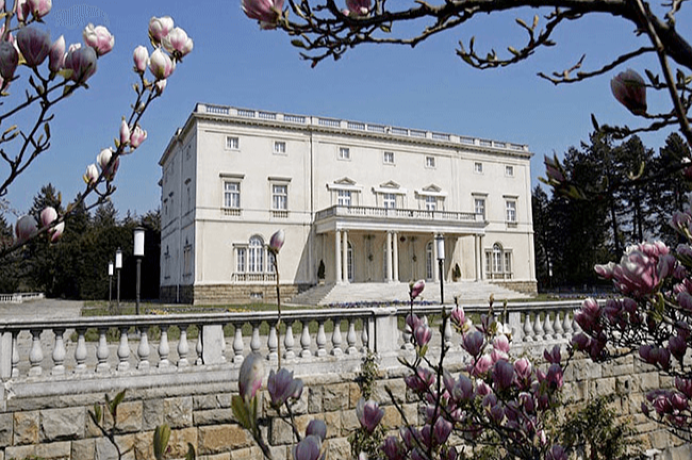
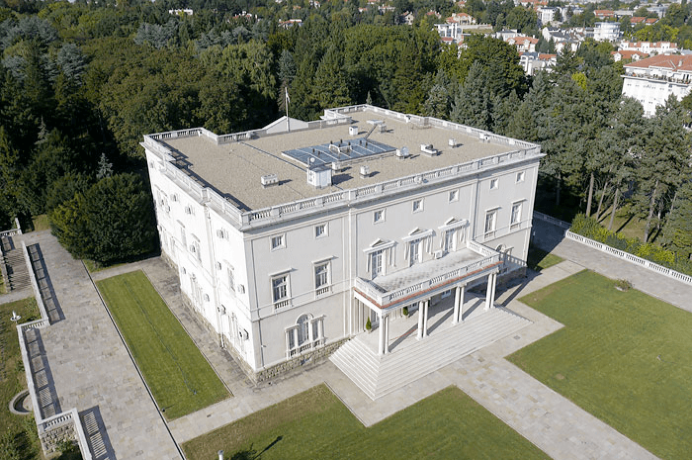
Complex of royal villas at Dedinje (design and construction, 1925-1934).
Palace Church of St. Andrew the First-Called
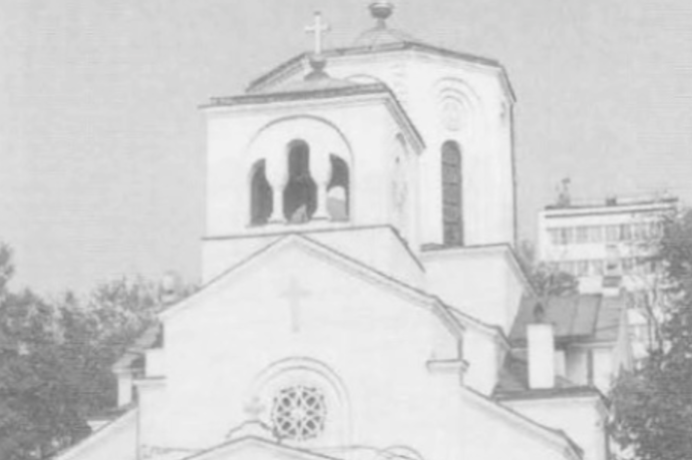
Church of St. Sava on Vracar
Cathedral of St. Sava
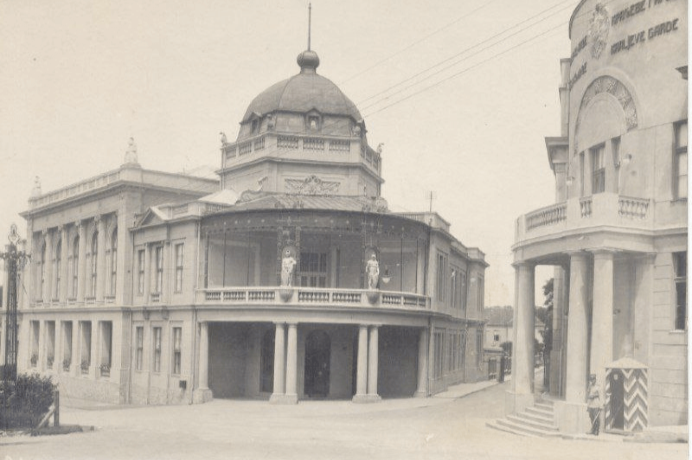
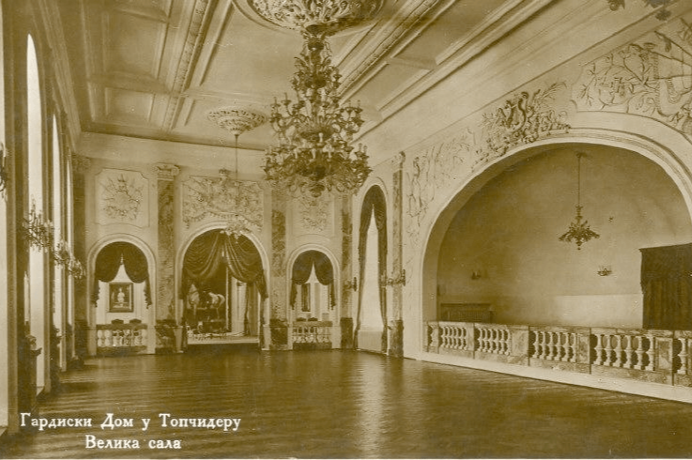
Guards House at Topcider
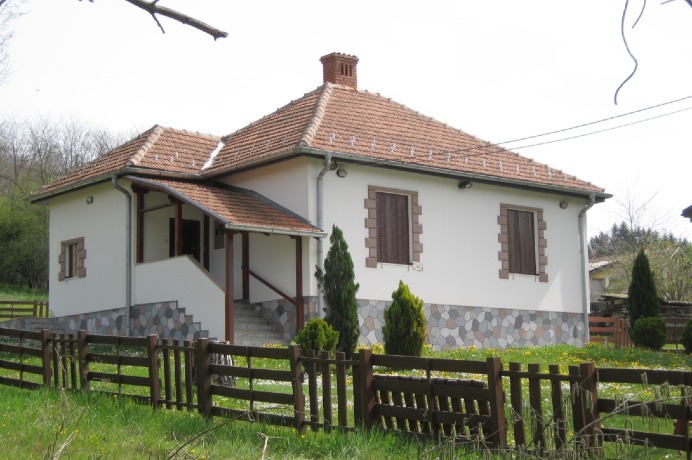
Villas and residential houses for Belgraders (1930s): the house of Dobrica Matkovic (9 Simina), the villa of Nevena Zezover (corner of Knez Aleksandar Boulevard and Rumanian Street), the house of Miodrag Stamenkovic (corner of Vuka Karadzica and Carice Milice), the house of Zorka Lazic (corner of Kapetan-Misina and Gospodar Jevremova), and the villa of Milorad Dimitrijevic (88/2 Knez Aleksandar Boulevard).
Royal villa complex at Dedinje. 1925-1934.
Palace Church of St. Andrew the First-Called, 1920s-1930s.
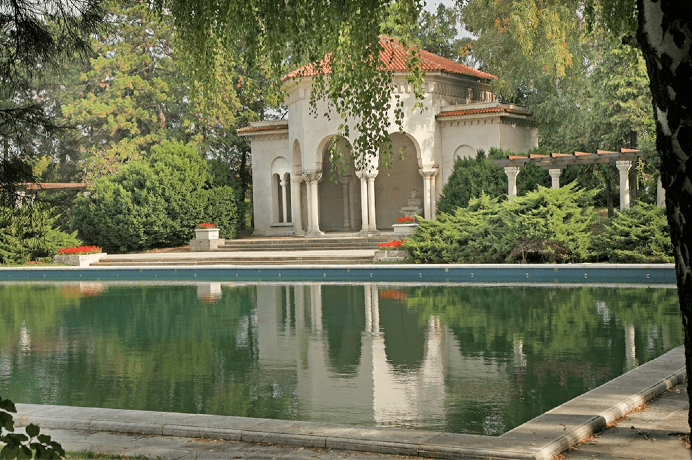
Hotel "Avala," 1928-1931
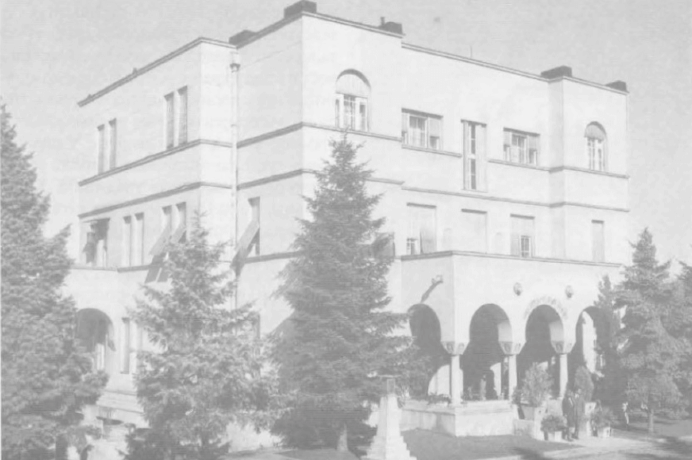
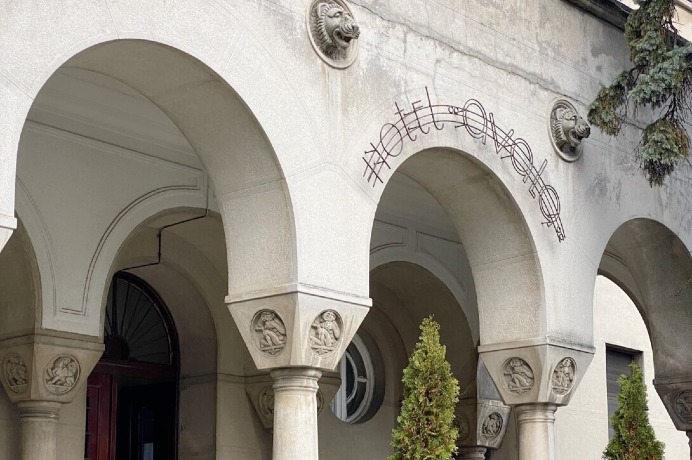
Church of St. Sava on Vracar. 1935
Building of the Serbian Patriarchate. 1933-1935
House of Dobrica Matkovic, restored in the early 21st century.
Guards House at Topcider
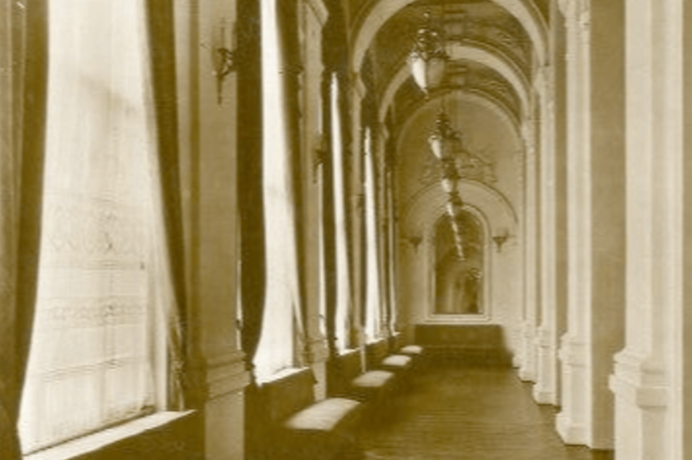
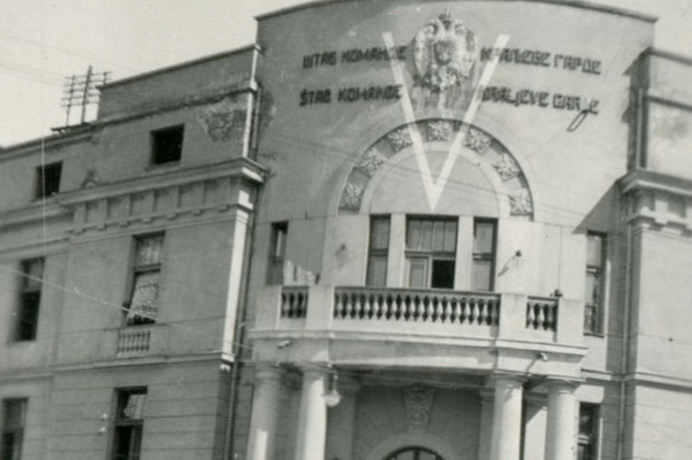
![Temporary identity certificate issued to Viktor Lukomsky by the authorities of the city of Belgrade, Belgrade, 1945 (Historical Archive of Belgrade [HAB], 42, box 19)](/storage/uploads/architects/combine/slides/01KJJKYPS2MDHDCPFXQS040Y3R.png)
Receipt for the pawning of Viktor Lukomsky's painting, issued by Svetozar Vlajkovic's antique shop in Belgrade in 1947 (HAB, 42, box 19)
Points
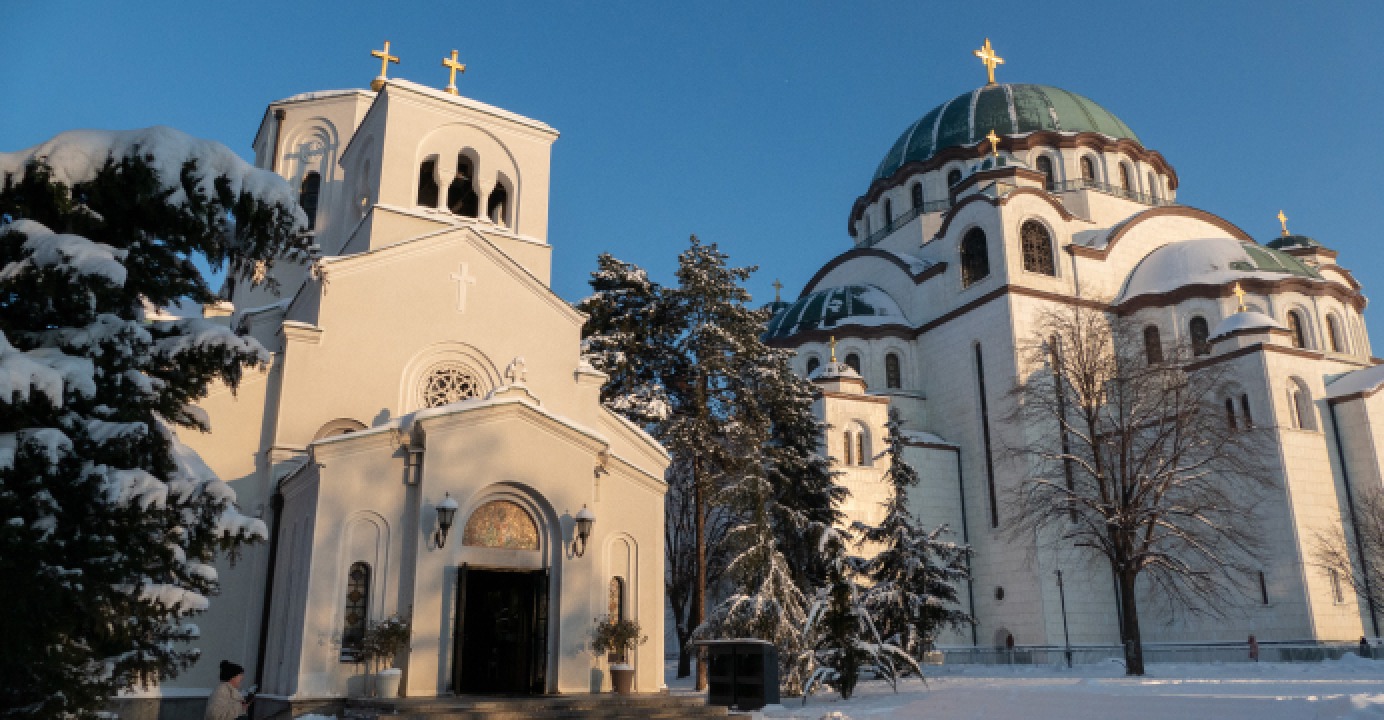
The Small Church of Saint Sava on Vračar
The Small Church of Saint Sava combines cubic forms, Byzantine motifs, and the restrained monumentality of its façade.
ул. Крушедолска, 2, Белград
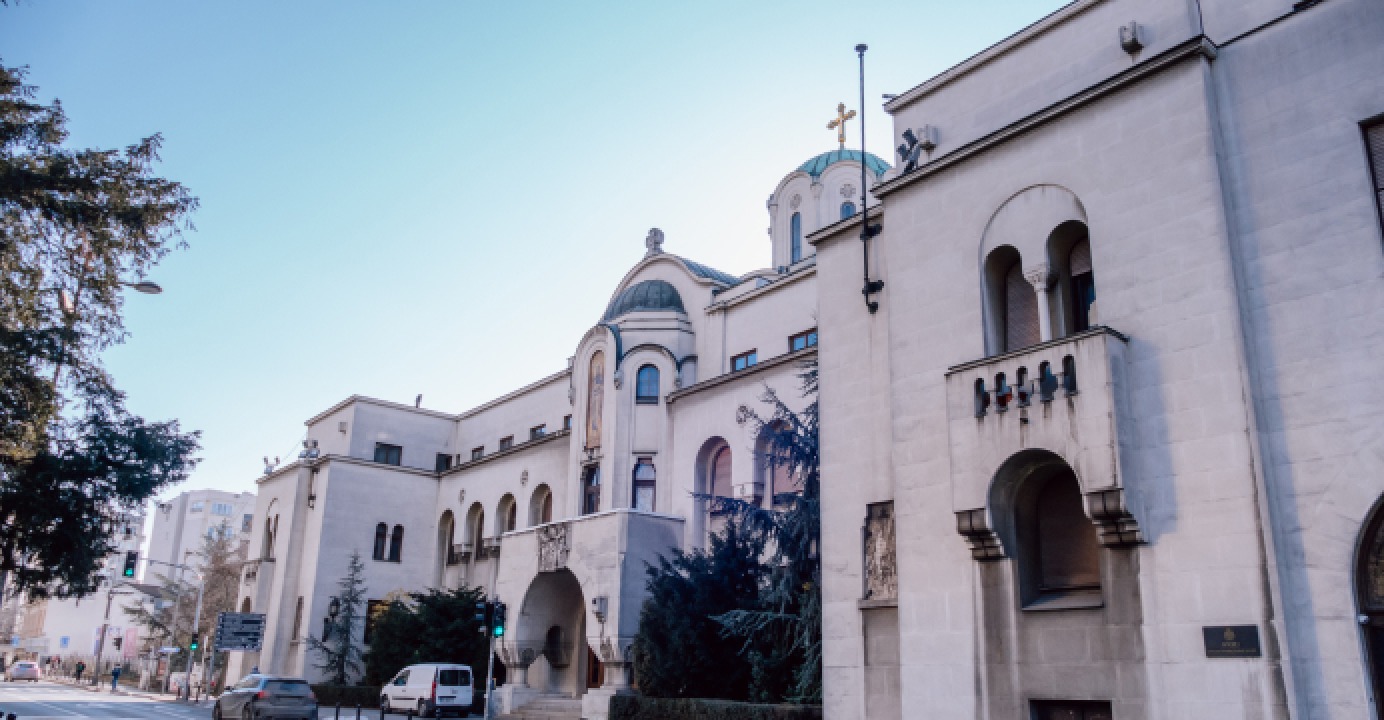
The Patriarchate of the Serbian Orthodox Church
The building of the Serbian Patriarchate, constructed between 1933 and 1935 according to the design of Viktor Lukomsky, combines Serbian-Byzantine traditions with the architect’s own modernist vision, serving as a spiritual, cultural, and architectural centre of Belgrade.
ул. Князя Симе Марковича, 6, Белград
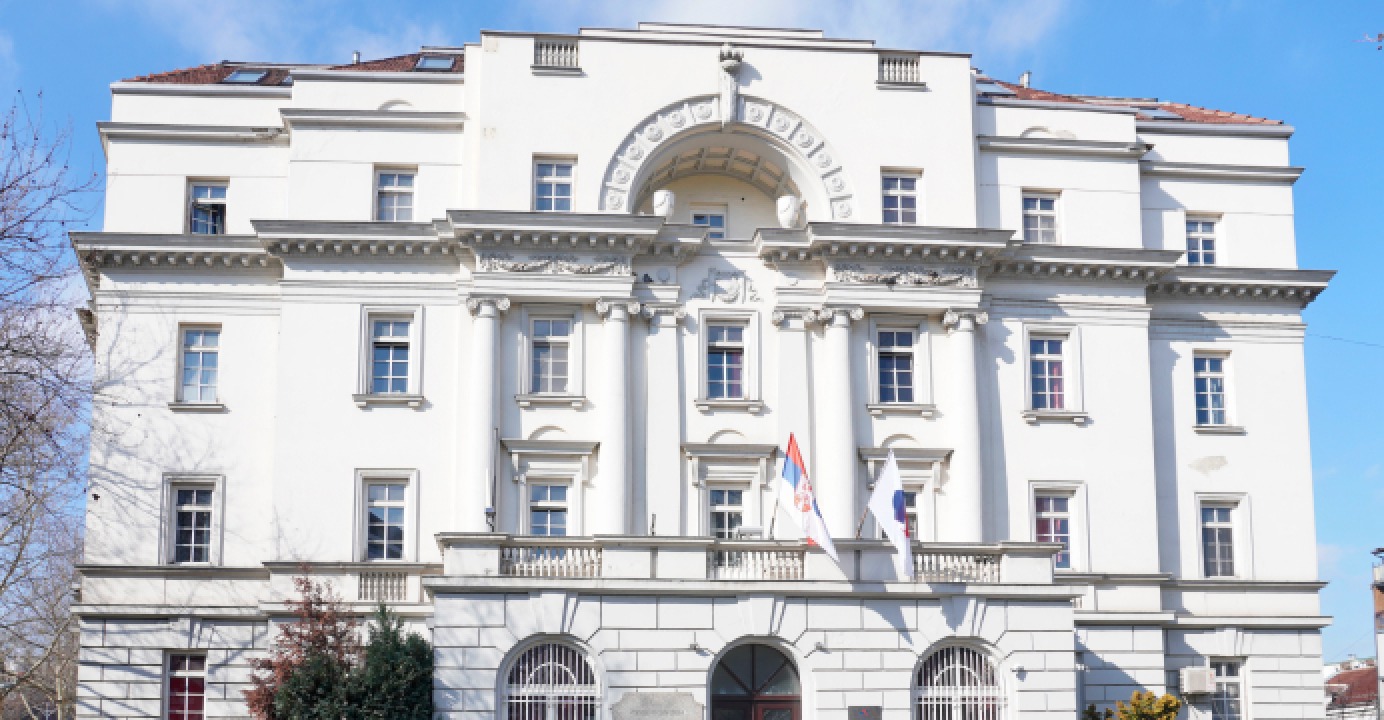
King Alexander I Student Residence
The King Alexander I Student Residence, built according to the design of Georgy Kovalevsky, embodies the state’s concern for the future, with its monumental architecture and its status as an important educational institution in Belgrade.
бул. Короля Александра, 75, Белград
Date of Birth
5 July 1884
Date of Death
16 June 1947