Roman Nikolaevich Verkhovskoy
An outstanding émigré architect, the author of memorials in Belgrade and churches in the United States
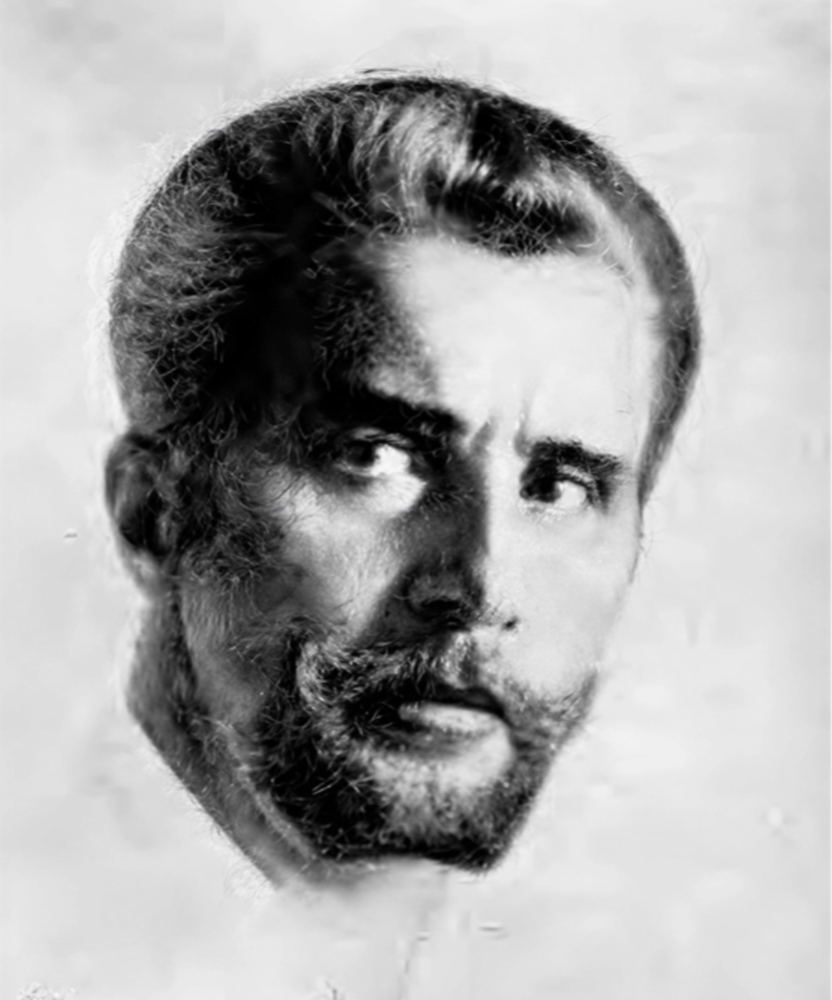
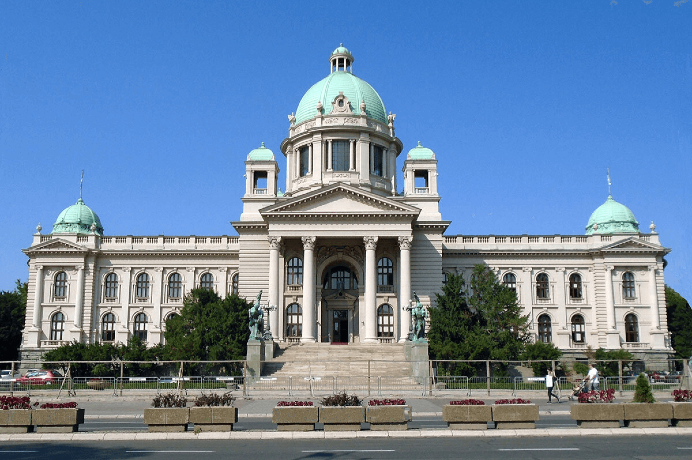
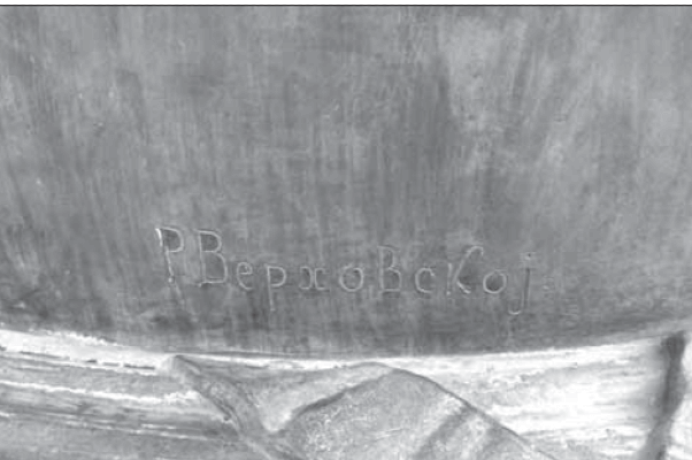
“And if fate should bring you to the Balkans, and if you find yourself walking through Belgrade and wish to touch the past, it is very easy to do so. Go to the Parliament building and, by the right-hand flagpole — the one closer to the Main Post Office, which, incidentally, was also designed by the Russian architect Vasily Androsov — step up onto the stair. Go on, be brave: nothing will happen to you. And there it is, the signature: Roman Verkhovsky. Hello, Roman!”
(I. Antanasijević)
Roman Verkhovskoy was born in 1881 in Vilna (modern-day Vilnius) into an ancient noble family. After receiving his architectural education at the Higher Art School attached to the Imperial Academy of Arts in St. Petersburg and undergoing a school of European classicism in Spain, France, and Italy, he early established himself as an independent master who managed to combine academic training with monumental thinking. |
In August 1914, Verkhovskoy voluntarily went to the front. During the Civil War, he joined the White movement, and in 1920 found himself in exile in the Kingdom of Serbs, Croats, and Slovenes (Yugoslavia). It was here that Verkhovskoy became one of the key figures of the Russian architectural diaspora, creating a number of iconic monuments, churches, and memorials that shaped the symbolic landscape of Belgrade.
From 1937, the architect worked in the United States, where he also established himself as one of the leading church architects of the Russian emigration, designing dozens of Orthodox churches and iconostases (the most famous being St. Vladimir’s Cathedral in Jackson). He completed 26 church designs for the American Metropolia and the Russian Orthodox Church Outside of Russia.
In the Kingdom of Serbs, Croats, and Slovenes, Verkhovskoy regularly participated in collective architectural and artistic exhibitions, which, as a rule, took place in Belgrade. The first of these was held in 1922 in the building of the new University of Belgrade. The oldest Balkan newspaper, Politika, covering the exhibition, particularly highlighted one of Verkhovskoy’s exhibits — a huge sketch of a monument he had created: an equestrian figure of a white officer gazing hopefully at the sky; a snake on the crest of a giant wave as an allegory of the Bolshevik invasion; a defeated lion below — an image of Imperial Russia.
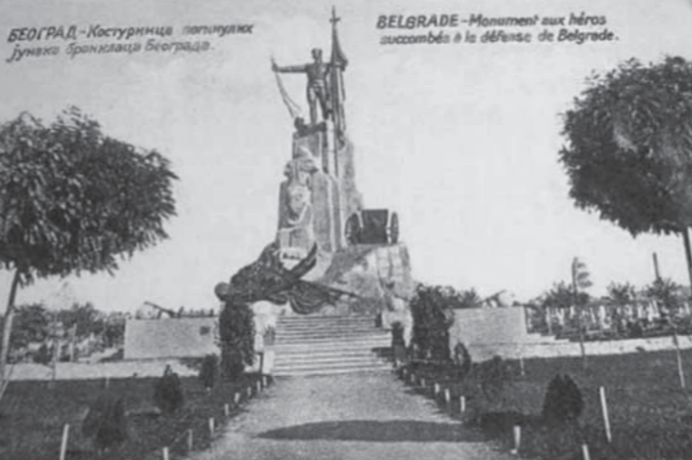
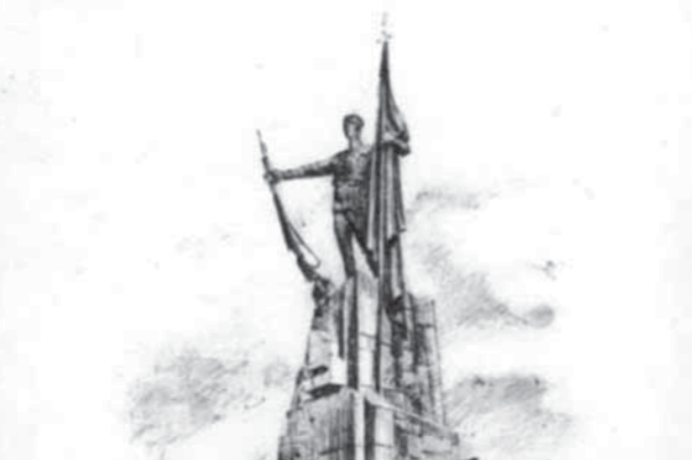
One of Verkhovskoy’s most famous works became the “Defenders of Belgrade” monument, erected in 1931. It became the tallest military monument in the Balkans— standing at 18 meters. At the center of the composition is the figure of a victorious Yugoslav warrior, proudly holding a banner and leaning on a rifle; at his feet lies a mortally wounded eagle, 14 meters high. The composition symbolizes the victory of Good over Evil. This monument brought Verkhovskoy wide recognition—by order of King Alexander I Karađorđević, he was awarded the Order of St. Sava, III degree, worn around the neck.
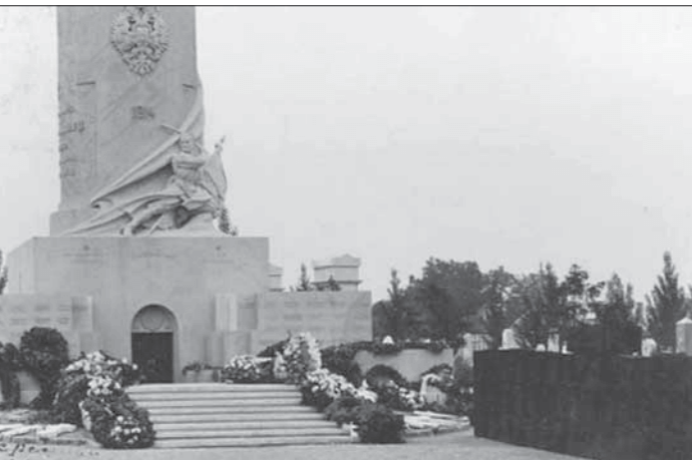
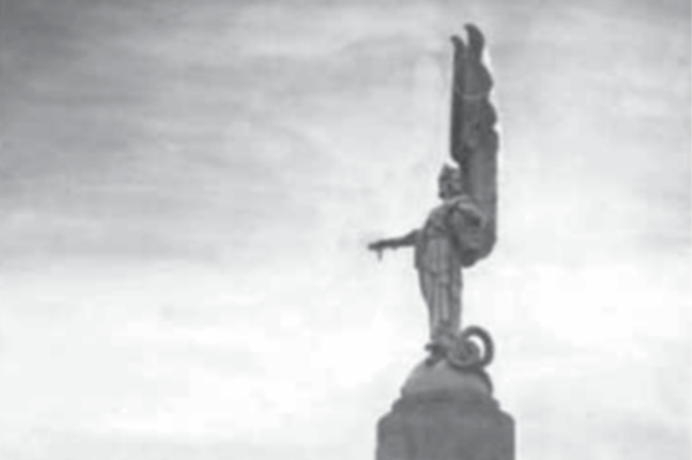
“But for us Russians, the main monument will be another—the *‘Russian Glory’** monument—on the Russian section of the cemetery near the replica of the Iverian Chapel (engineering work was carried out by the architect Valery Stashevsky). The White Angel—the Archangel Michael with wings solemnly raised—stands on a shell, trampling a snake underfoot. Above the Archangel’s head flew the black-yellow imperial flag.”
(I. Antanasijević, A Story of the White Angel, Arrogant Eagles, and One Handsome Man)
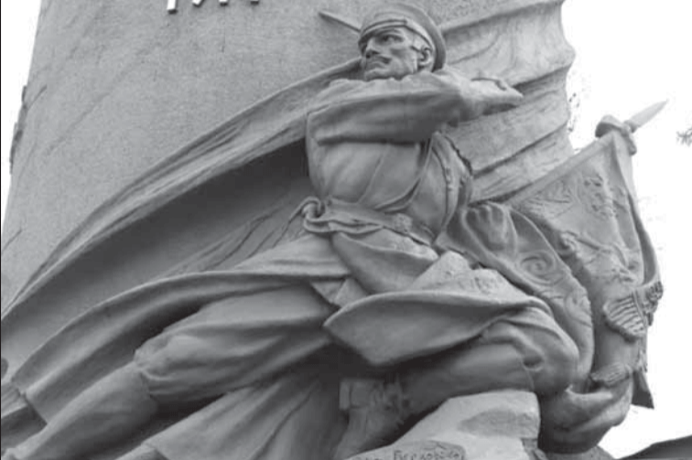
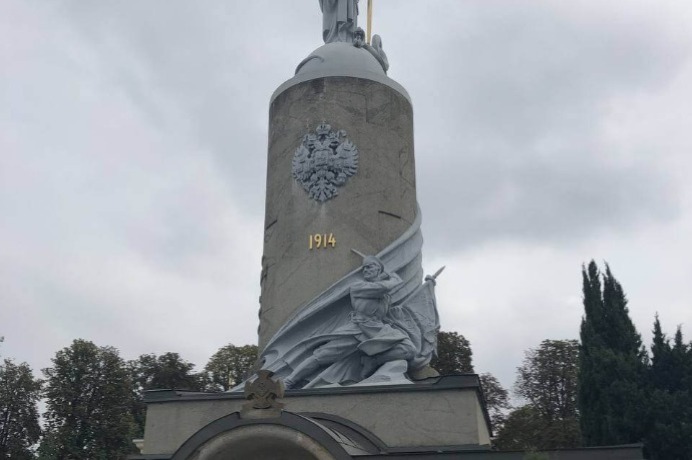
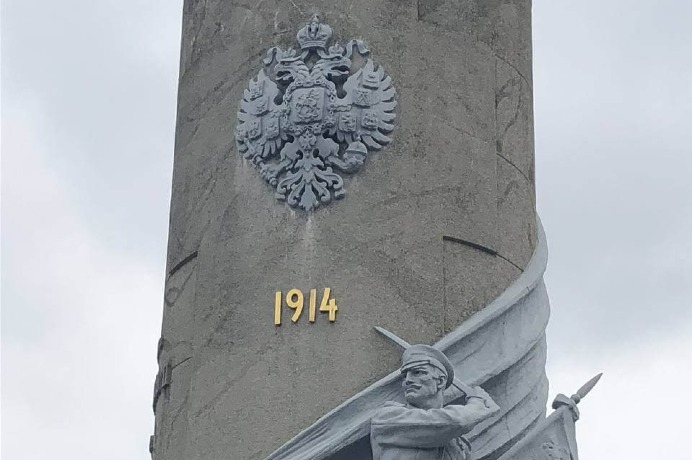
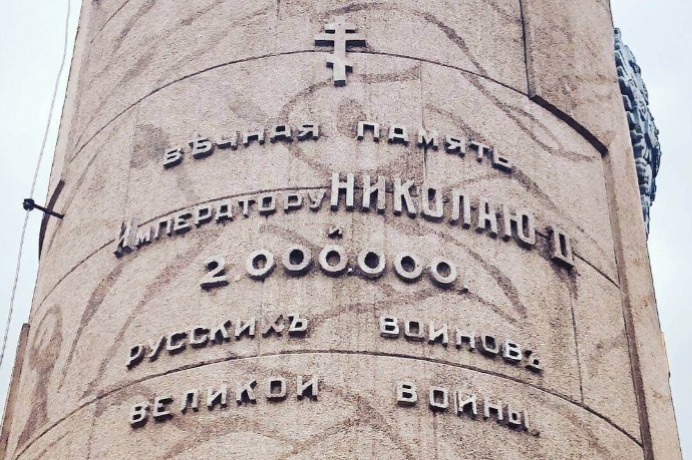
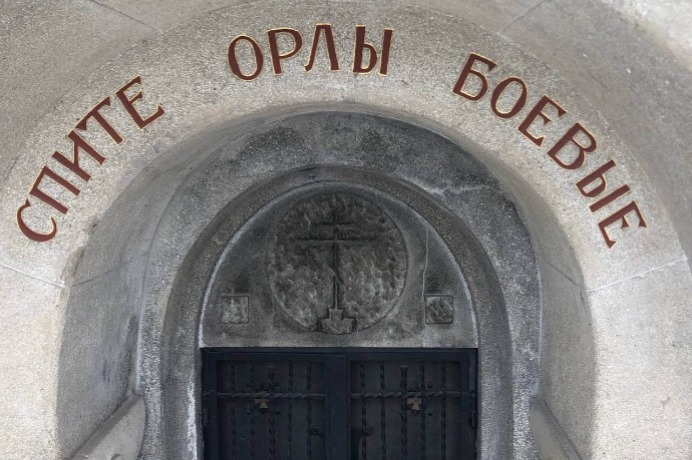
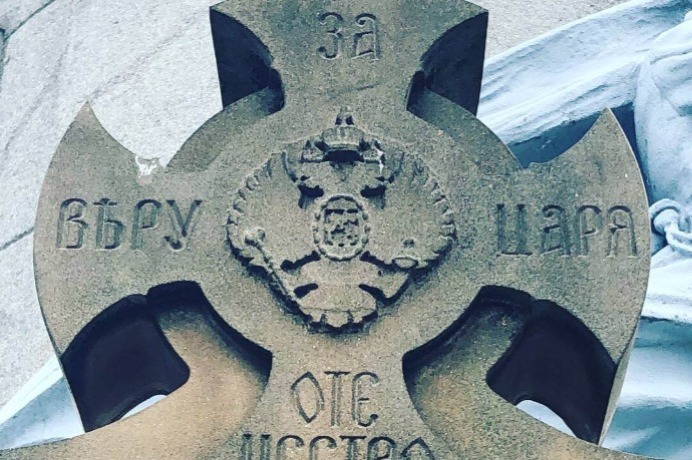
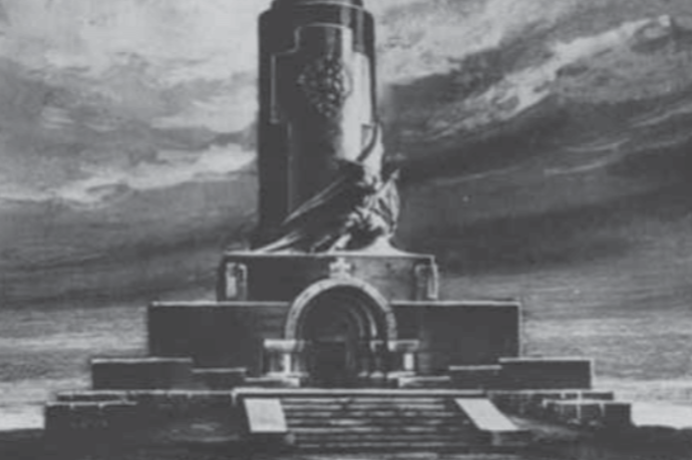
In Belgrade, monuments designed by Verkhovskoy were erected not only for Serbian but also for Russian soldiers. A special place among them is occupied by the “Russian Glory” tomb-monument at the New Cemetery, created in collaboration with military engineer V. V. Stashevsky. Verkhovskoy personally performed all the sculptural work. The memorial is made of gray stone and stylized in the form of an artillery shell. On its top rises the figure of Archangel Michael with vertically raised wings; at its base, on a banner, lies a Russian officer with an unsheathed sabre. In the center of the pedestal is engraved a double-headed eagle and the date “1914”. On one side, the inscription reads: “Eternal memory to Emperor Nicholas II and the 2,000,000 Russian soldiers of the Great War.” On the other side, in Serbian: “To the bravely fallen Russian brothers on the Thessaloniki front, 1914–1918.” Beneath the monument lies a chapel, above the entrance to which are inscribed the words: “Sleep, battle eagles.”
The construction of “Russian Glory” took place under difficult conditions. Due to an acute shortage of funds, one of the project’s initiators, Colonel Mikhail Skorodumov, organized a collection of donations among the population. Each stone of the memorial was valued at 300 dinars, and the name of the donor was carved on its surface. The idea of the monument was largely a response to the growing sympathy of part of Serbian society for Soviet Russia during those years—the monument was meant to remind people of the glory of the Russian name and its imperial past.
Despite intrigues, anonymous denunciations, and attempts to sabotage the construction, the memorial was completed in 1935. It was solemnly consecrated by Serbian Patriarch Varnava and Metropolitan Anthony in the presence of a representative of the king.
“In order to halt the developing sympathies of the Serbs towards the Soviets and return them to Tsarist Russia, I initiated the construction of a monument to Russian soldiers and the transfer of the remains of Russian officers and soldiers from the Thessaloniki front to Belgrade. It would seem that this was in the interests of all Russian emigrants, a pretext to unite and arrange a pan-Yugoslav-Russian manifestation in honor of national Russia. But it was not to be; a terrible noise arose, intrigues, filth, anonymous letters, and a struggle to wrest this initiative from me at all costs. They nearly derailed the whole thing. They wrote to the king, they wrote to the ministers, they wrote to my Serbian acquaintances that I was a communist, crazy, that I had killed my father and mother, that I was a criminal type, and generally anything you can think of. The upper echelons, i.e., the leaders of the emigration, were engaged in this, but the lower ranks were not much better.”
(From the memoirs of M. Skorodumov)
Objects
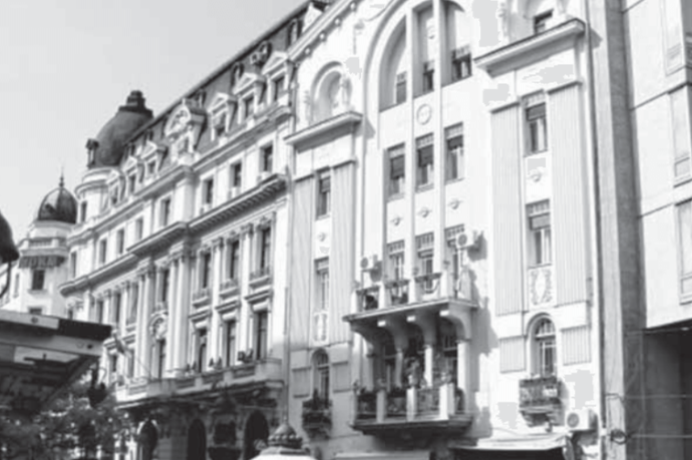
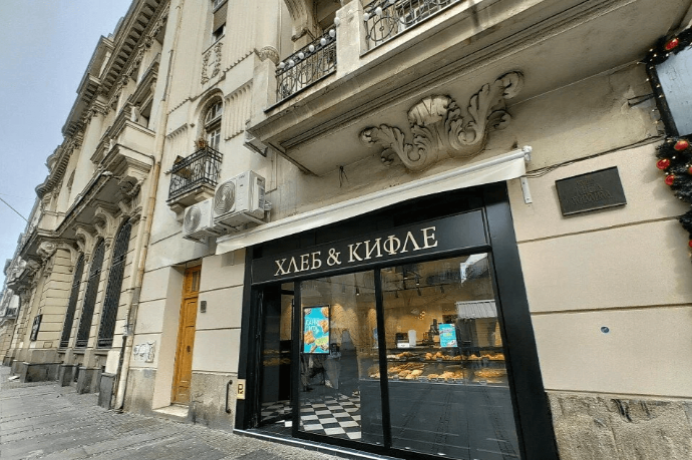
Facade of the Ljubica Avakumović Chamber building, 34 Knez Mihailova Street
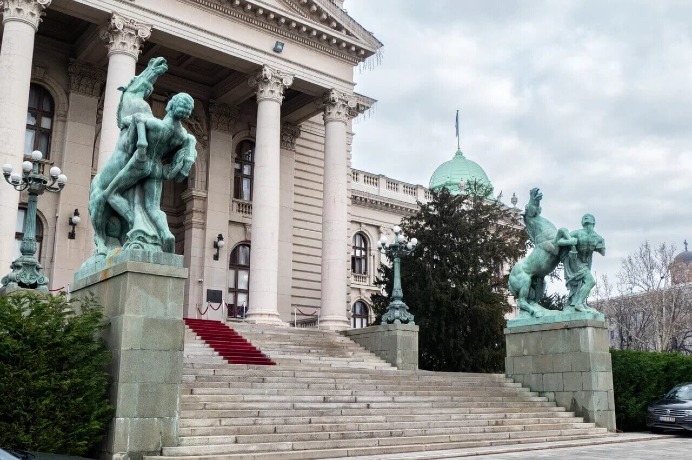
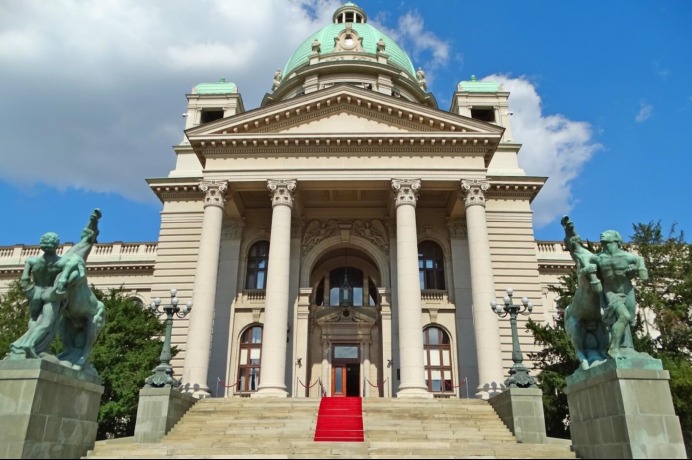
Sculptures on the building of the New Parliament (National Assembly)
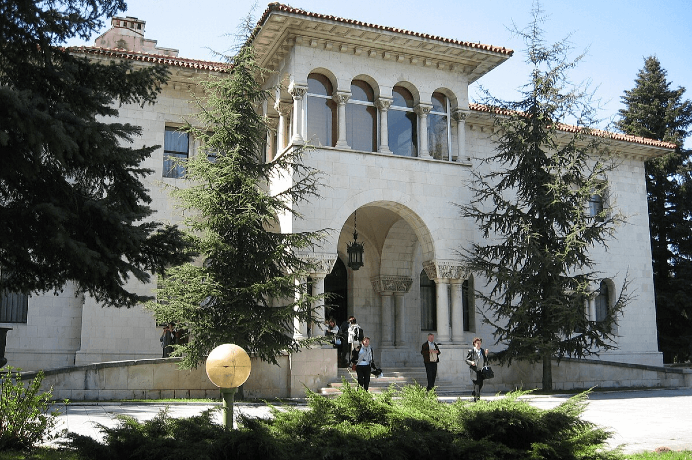
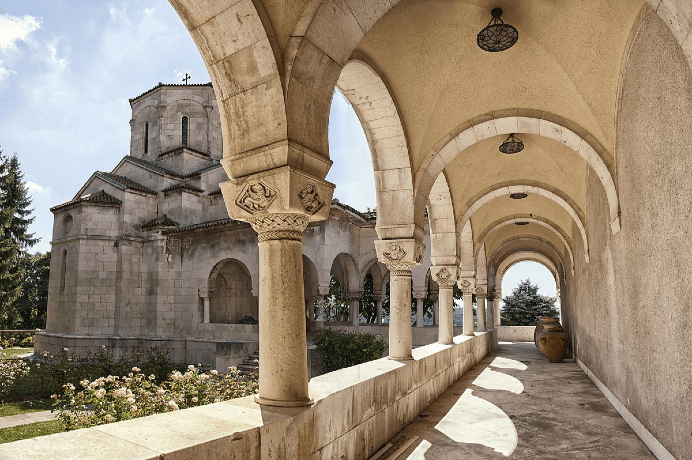
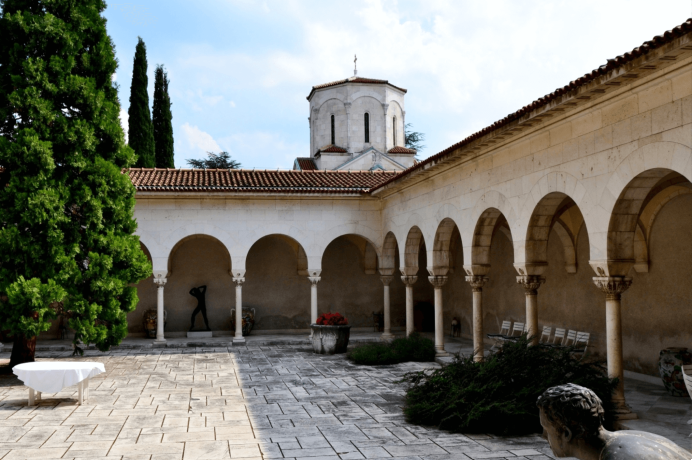
Cycle of works commissioned by the Court of His Majesty King Alexander I Karađorđević for the decoration of the new Royal Palace on Dedinje
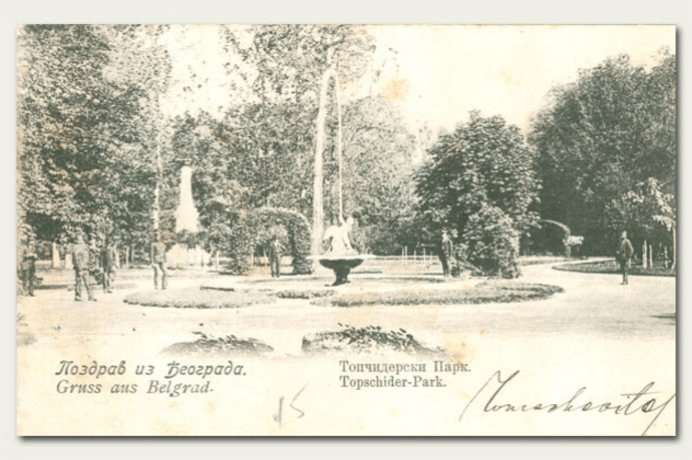
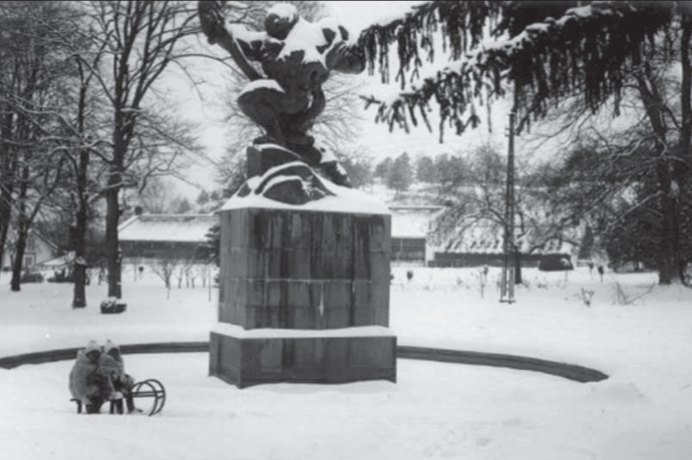
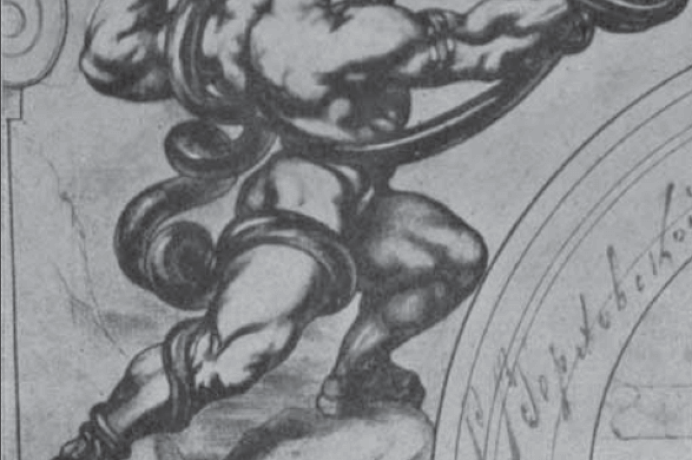
“Hercules” (“Laocoön”) Fountain in Topčider Park (dedicated to the life and freedom of Slavic peoples; now lost)
7 national tomb-monuments from World War I
“Russian Glory” Tomb-Monument at the New Cemetery in Belgrade
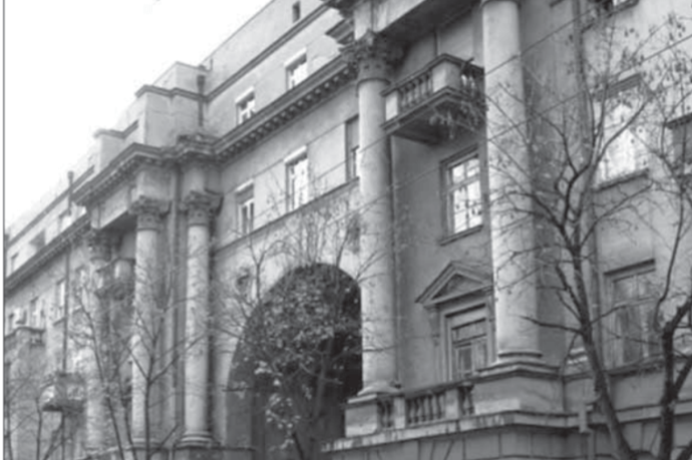
Building for officers’ apartments of the Naval Department, now on Resavska Street (formerly Frankopanova Street)
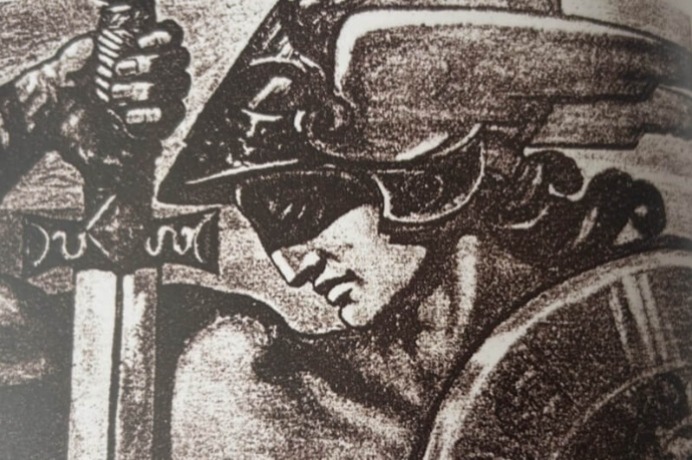
Verkhovsky’s Angels (exhibition at the Officers’ House in Belgrade, 1928), source: https://t.me/KraljevinaJugoslavija/536
The façade of the Ljubica Avakumović Palace at 34 Knez Mihailova Street
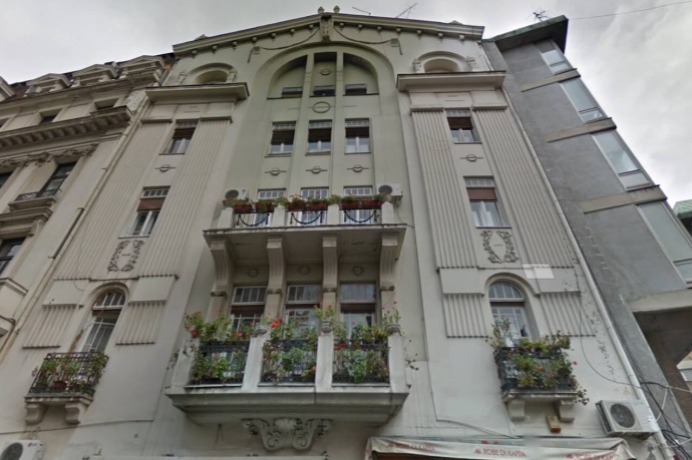
The apartment building for officers of the Naval Department on today’s Resavska Street, formerly Frankopanova Street
Sculptures on the building of the National Assembly
Decorative details for the Royal Palace in Dedinje
The fountain “For the Life and Freedom of the Slavic Peoples,” crowned with the figure of Hercules (“Laocoön”)
Not preserved; it once stood in front of the old Royal Palace in the suburban park of Topčider.
The Monument to the Defenders of Belgrade. Photograph taken during construction
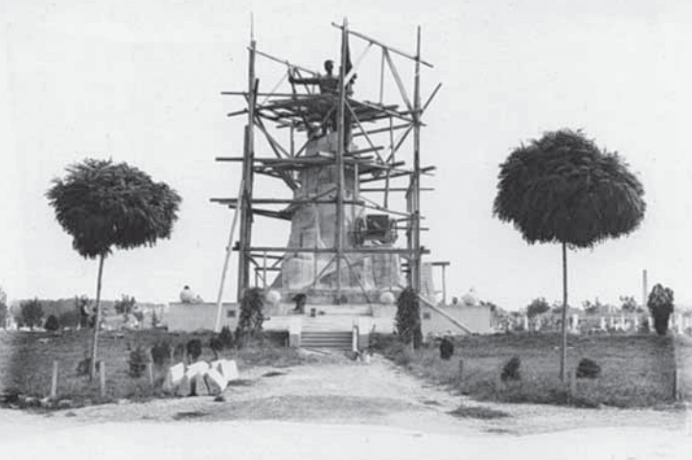
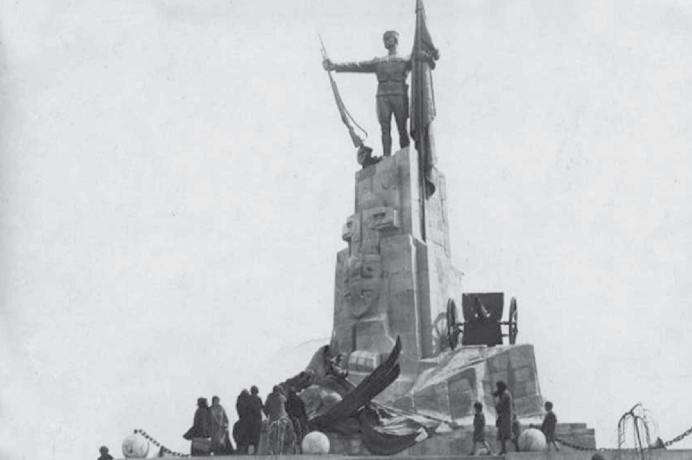
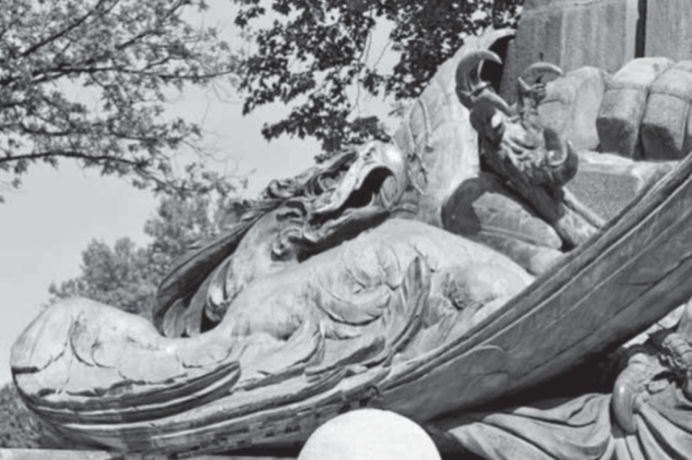
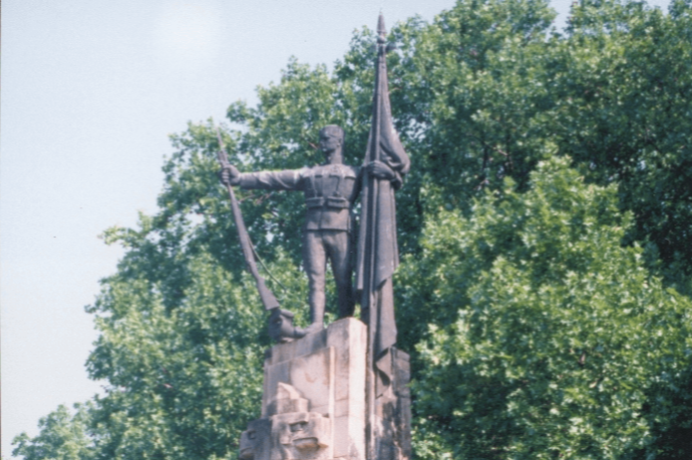
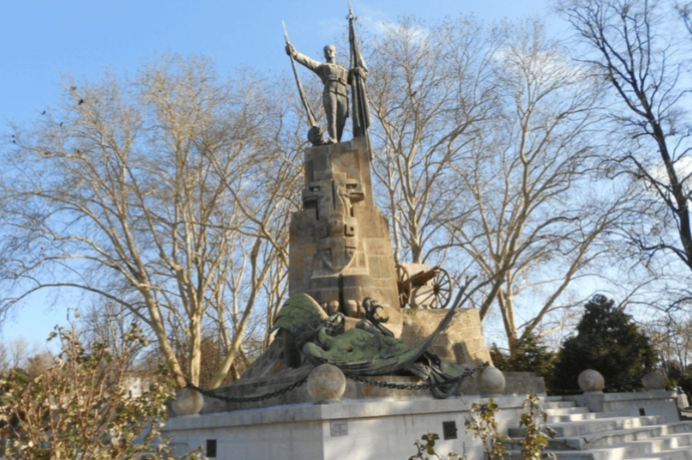
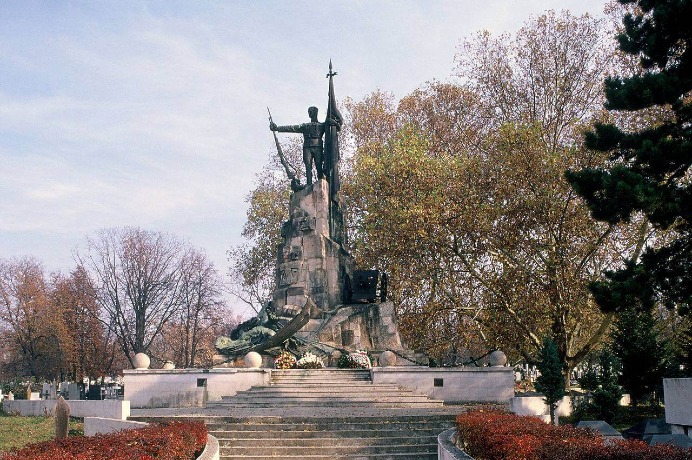
The Monument to Russian Glory near the Iveron Chapel in the Russian section of the New Cemetery
N. V. Verkhovsky’s drawing of the fountain “For the Life and Freedom of the Slavic Peoples” in the suburban park of Topčider
Postcards featuring the Monument to the Defenders of Belgrade
Postcards featuring the Monument to Russian Glory
Date of Birth
29 January 1881
Date of Death
30 January 1968