Valery Vladimirovich Stashevsky
An architect who shaped the image of Russian emigration and Belgrade, a master of memorials and churches
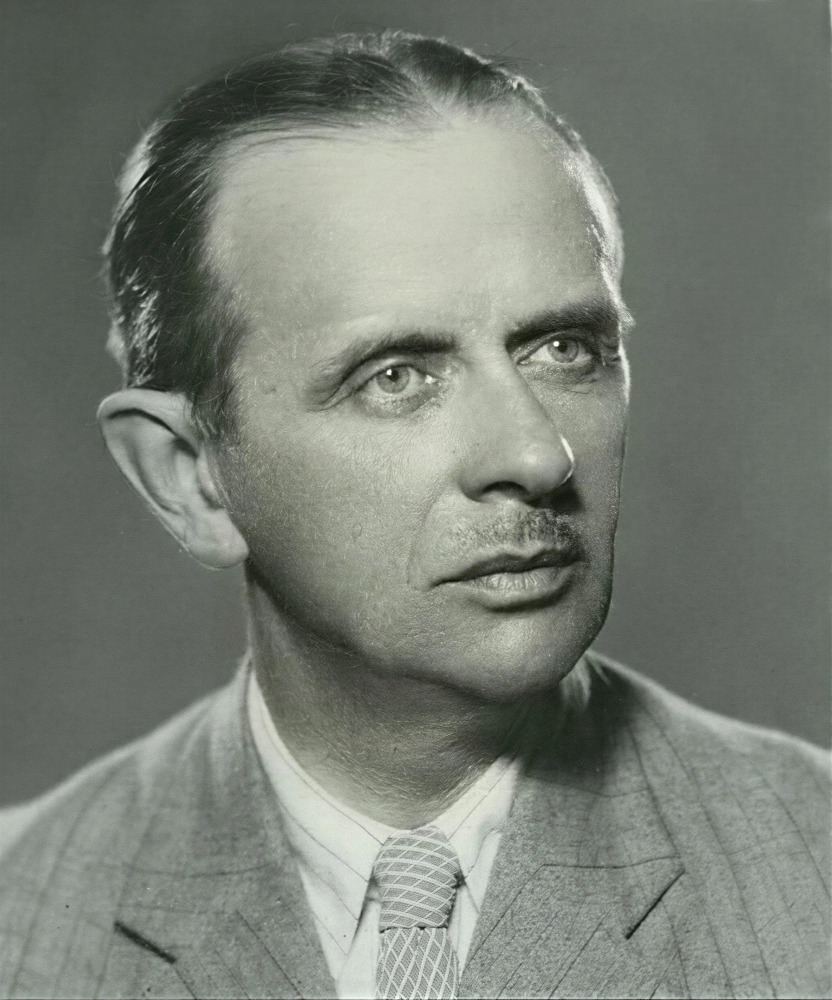
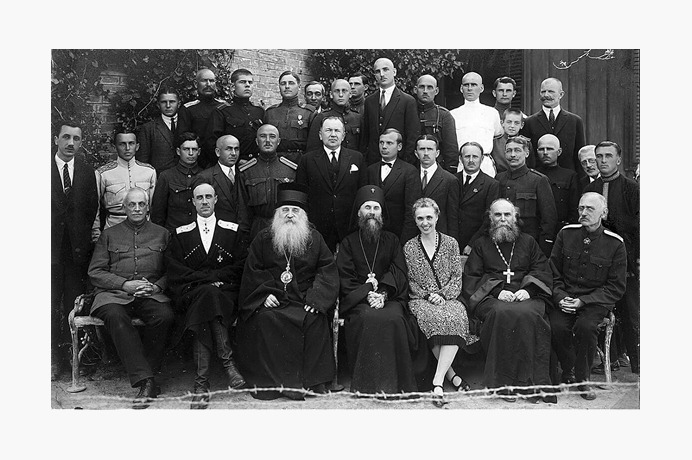
"When we look at photographs of the Russian emigration in Yugoslavia, there are, of course, several textbook images where Baron Pyotr Nikolayevich Wrangel is always in the center, and next to him is 'someone else'... Usually, no one knows who these people are. The most knowledgeable say that next to him is [General Vladimir Pavlovich] Shatilov, representatives of the church, and they list various surnames. But in one of the most famous photographs from 1924, standing just behind Baron Wrangel's wife is Valery Vladimirovich Stashevsky. This name is less familiar than Krasnov's, but it is Stashevsky who has the absolute right to be called the chief architect of Belgrade."(M. Yu. Sorokina)
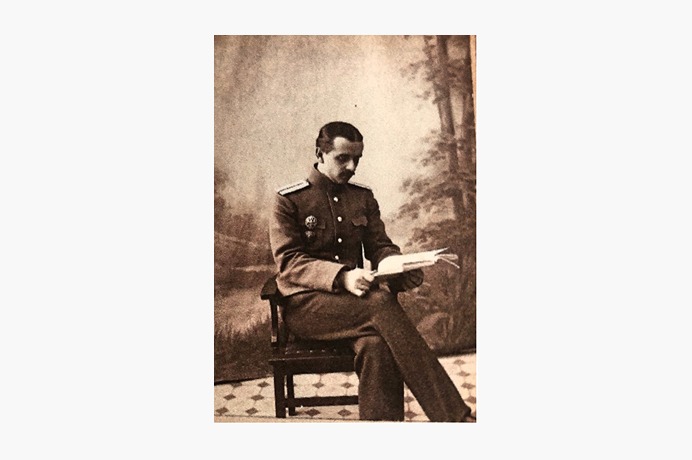
Sometimes in history, some names fade—like faces in old photographs. A person may be forgotten, even though traces of their talent are more than abundant around us. Valery Vladimirovich Stashevsky belongs to such "unnoticed greats." Stashevsky is almost unknown to the general public. This is paradoxical: he was part of the inner circle of General Baron Pyotr Nikolayevich Wrangel in Belgrade and Sremski Karlovci. In famous Yugoslav photographs, he can often be seen next to the Baron.
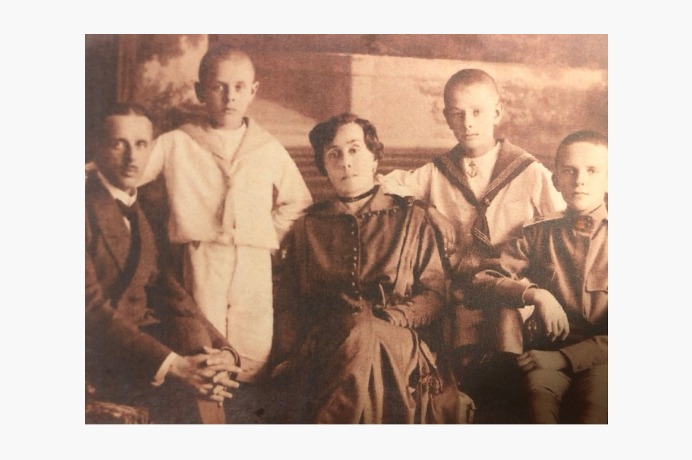
He was born in 1882 in St. Petersburg into the family of a Major General of the Russian Imperial Army, and his path in life was largely predetermined. Stashevsky graduated from the Nikolaev Military Engineering Academy in 1908, and then, in 1911, from the architectural department of the Institute of Civil Engineers. Before the revolution, he served as a military engineer, participated in major construction projects in the capital, and during World War I, he was involved in the construction of defensive structures, rising to the rank of Lieutenant Colonel. The Civil War led him to the White movement, and then to emigration. In the spring of 1920, Stashevsky and his family found themselves in the Kingdom of Serbs, Croats, and Slovenes.
"Unlike emigrants who sat on suitcases for many years and tried to gather only around Russian émigré institutions, Stashevsky had already created his own bureau by 1928, which was engaged in private design in Belgrade. If anyone built 'Russian Belgrade'—and Belgrade in general—it was Valery Stashevsky."* (M. Yu. Sorokina)
From the mid-1920s, Stashevsky worked independently. In 1927, he registered his own architectural firm and started producing concrete structures. However, in the early 1930s, he went bankrupt and was forced to continue working under another's name. This did not halt his professional activity: in addition to houses and churches, he designed private villas and dachas, ice cream parlors and beer halls, winter gardens, bakeries, shops, carpentry workshops, photo studios, garages, fair pavilions, and much more. In total, he is credited with over a thousand projects, and just in the period 1930–1944, about 135 residential buildings. These structures were intended for a wide range of clients, from wealthy Belgraders to ordinary citizens. And in architectural language, he was also flexible: from richly decorated facades with pilasters, pediments, and Secession motifs to extremely restrained, almost ascetic solutions.
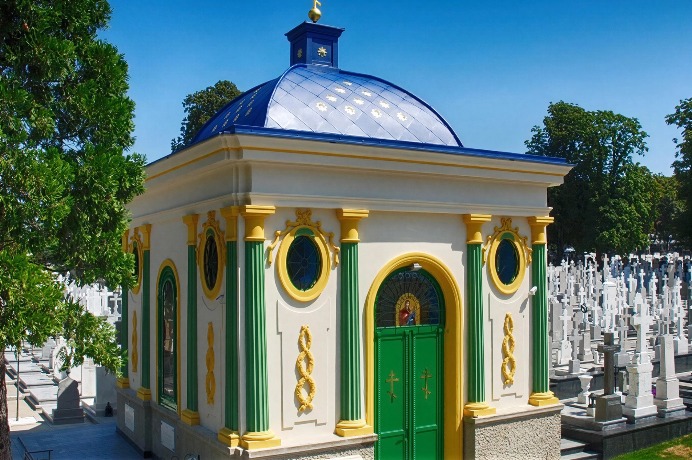
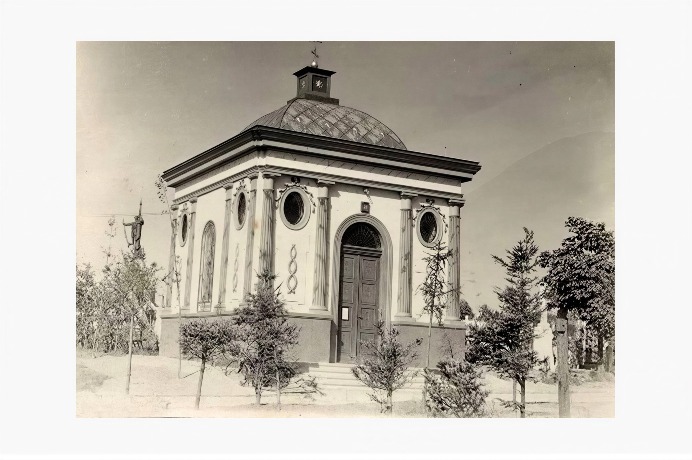
A special place in his legacy is occupied by sacred architecture. In 1924, with donations from Russians and Serbs, the Holy Trinity Church in Tašmajdan was built according to his design (today, the courtyard of the Russian Orthodox Church in Serbia is located here), in the crypt of which is the tomb of General Wrangel. Another significant project is the Iveron Chapel at the New Cemetery, replicating the Moscow Iveron Chapel at the Voskresenskiye Gates (the entrance to Red Square), which was destroyed on the night of July 29-30, 1929. Stashevsky consciously turned to the forms of ancient Russian and ancient Serbian architecture, creating buildings that became not just religious objects, but "places of memory" for the Russian emigration.
For a long time, contradictory versions circulated about Stashevsky's fate: some wrote that he perished in the USSR after arrest, others that he died in the 1950s in Morocco. This uncertainty largely made him a "vanished" figure: it seemed that acquaintances, friends, and even relatives either could not or did not want to speak about him. In the winter of 2021/2022, thanks to the efforts of M. Yu. Sorokina, Stashevsky's relatives in Russia were found and documents clarifying the circumstances of his death were uncovered.
On December 31, 1944, the 62-year-old Stashevsky was arrested in Belgrade by SMERSH military personnel. The investigation was short: only four interrogations, the absence of specific charges, and questions mainly about his emigration and circle. On February 21, 1945, Valery Vladimirovich Stashevsky was shot in Belgrade.
"And in Belgrade, there remain the streets on which the houses built according to his designs stand, the church, the chapel. And perhaps his fate as an architect is enviable: few architects can be found who created so fruitfully in Belgrade and for Belgraders—from simple workers to wealthy residents of the capital. In his buildings, people still live, work, and pray. What more could an architect wish for?!!" (V. I. Kosik, "Russian Colors on the Balkan Palette. Artistic Creativity of Russians in the Balkans (late 19th – early 21st century)")
Objects
Holy Trinity Church in Belgrade (1924)
Iveron Chapel at the New Cemetery in Belgrade (1930)
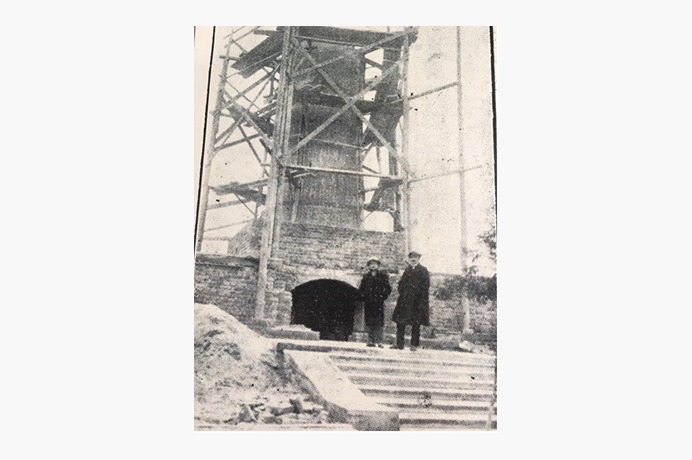
Memorial to Russian soldiers of World War I at the New Cemetery (1933, jointly with sculptor R. N. Verkhovsky)
Building of the monastery school at Rakovica Monastery
House of Russian War Invalids in the Voždovac district (1929)
School in Čukarica (1931)
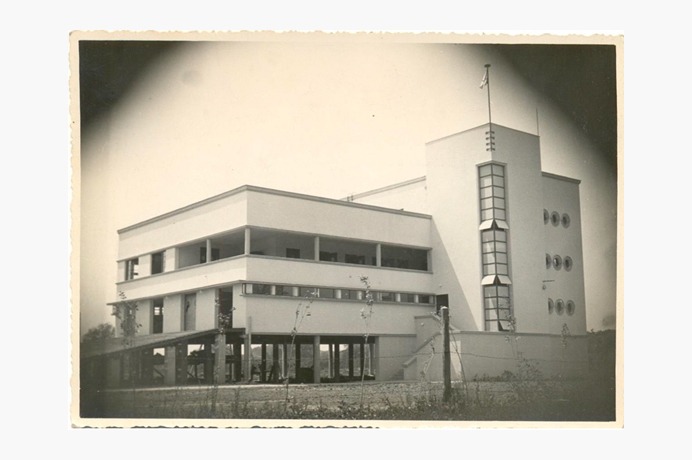
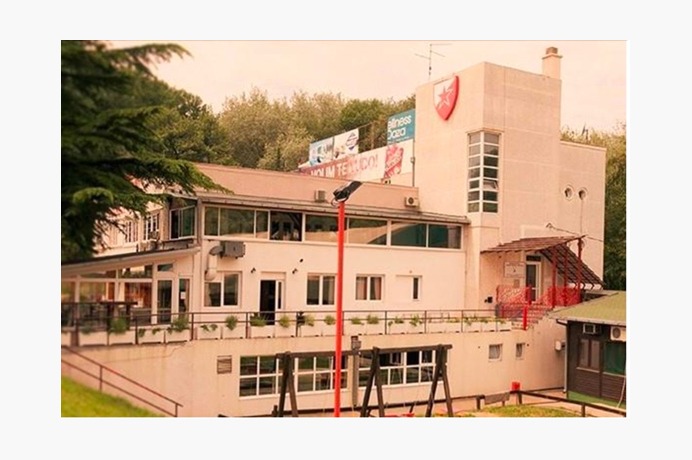
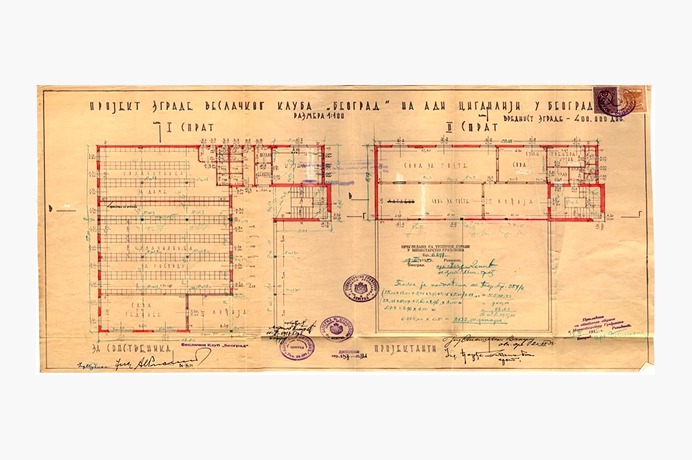
"Beograd" Rowing Club on Ada Ciganlija (1935, jointly with his son Georgy)
Club of National Bank Officials in Topčider (1938)
Holy Trinity Church in Belgrade (1924)
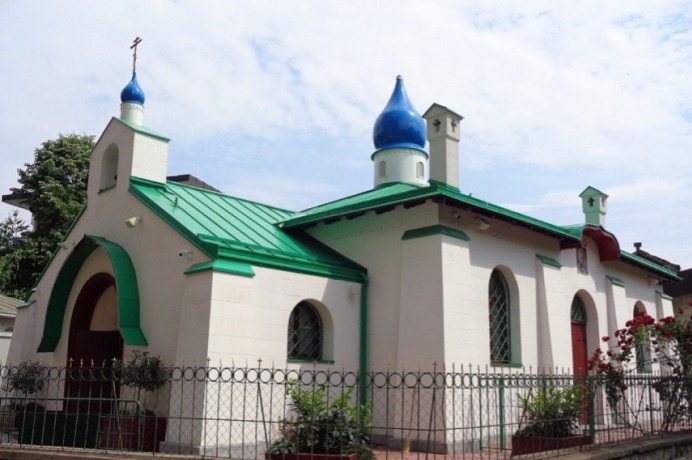
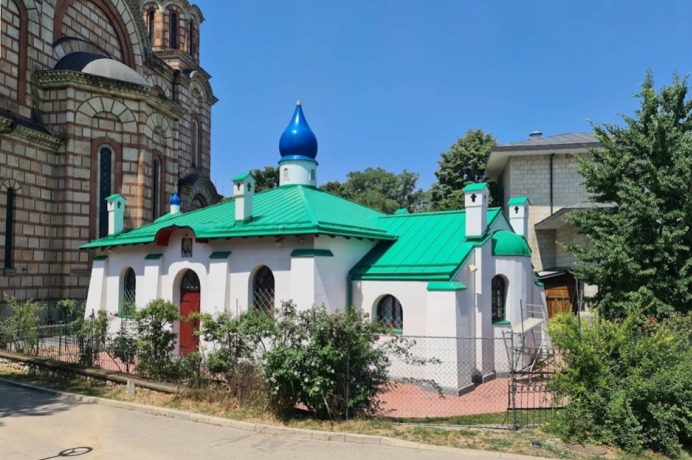
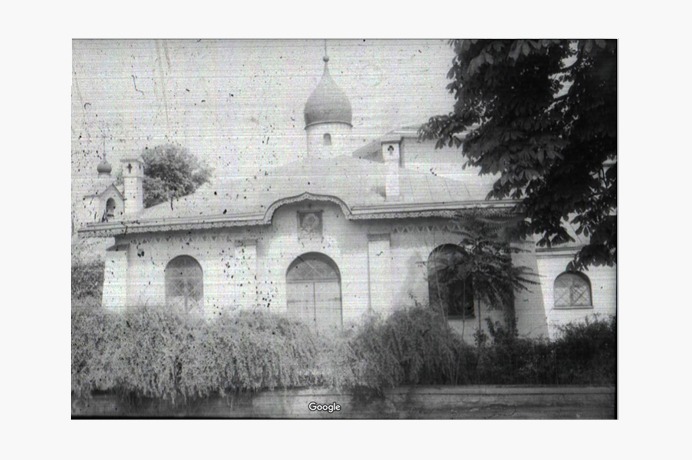
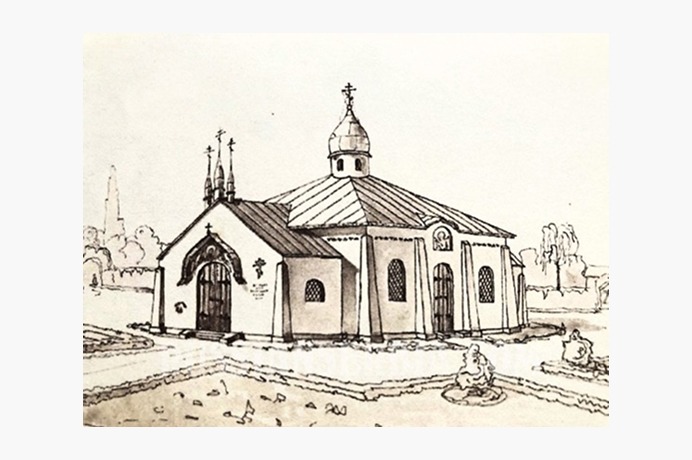
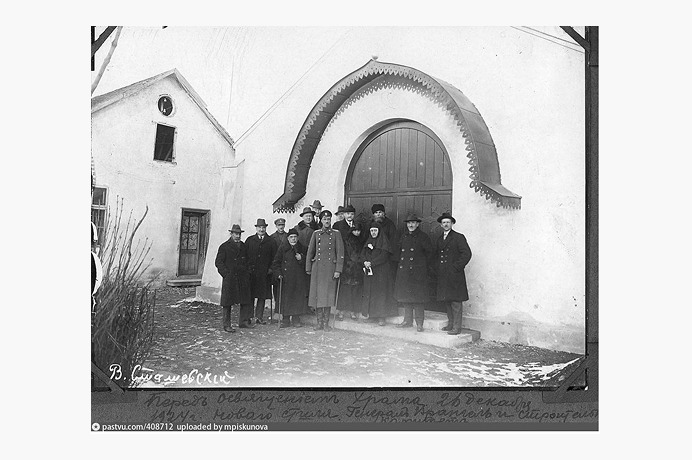
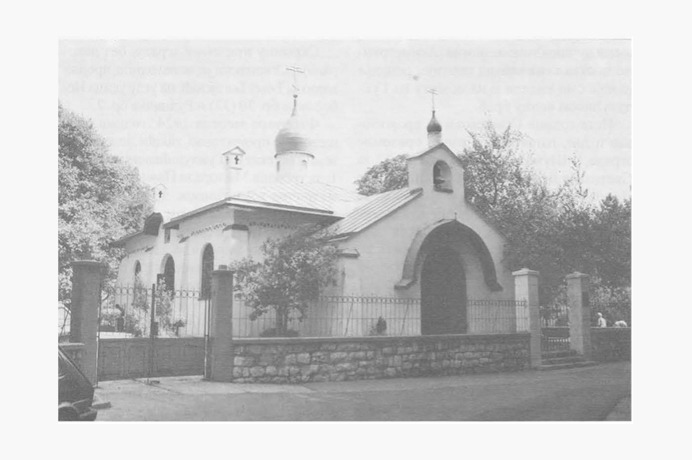
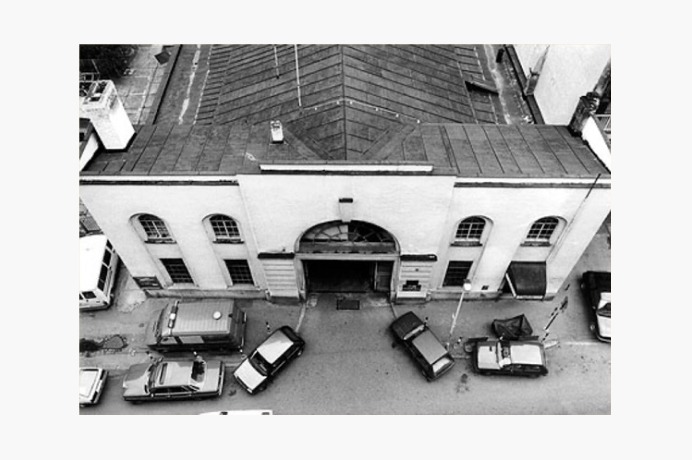
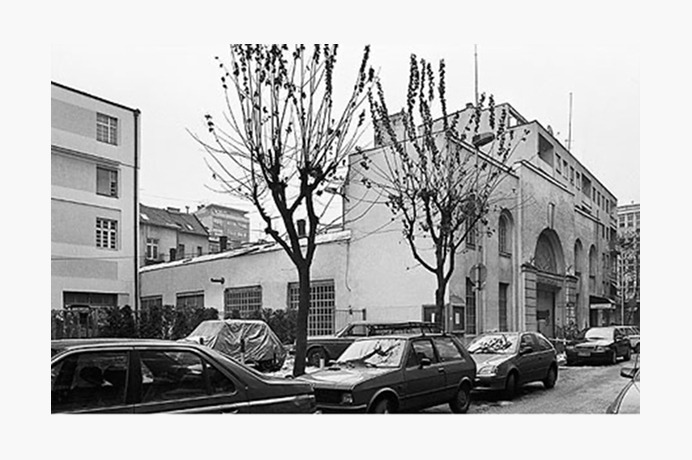
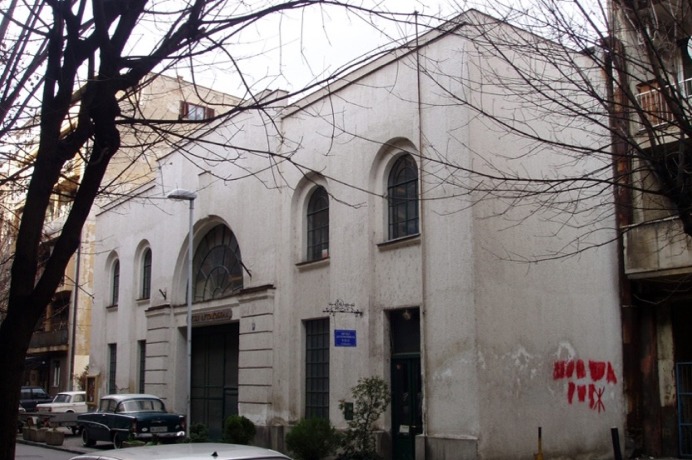
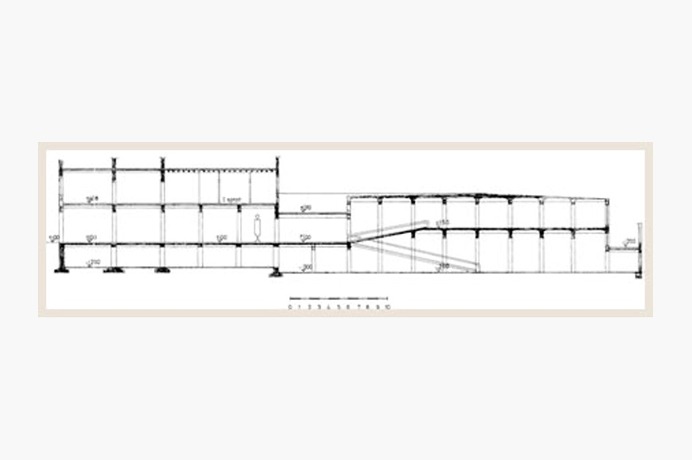
The building of the Automobile Museum (also known in Serbian as the Modern Garage in Belgrade), located at 30 Majke Jevrosime Street (1929).
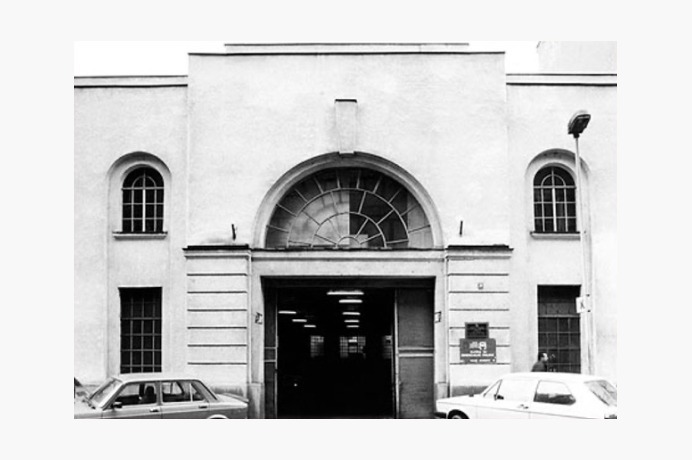
Iveron Chapel at the New Cemetery in Belgrade (1930)
Memorial to Russian soldiers of World War I at the New Cemetery (1933, jointly with sculptor R. N. Verkhovsky)
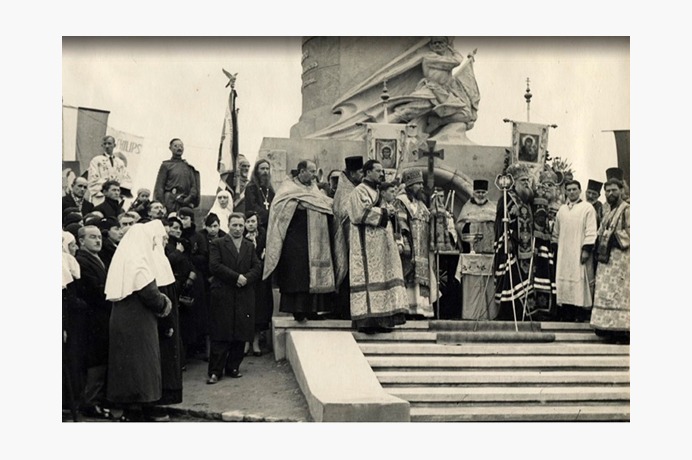
"Beograd" Rowing Club on Ada Ciganlija (1935, jointly with his son Georgy)
Additional pictures
Points
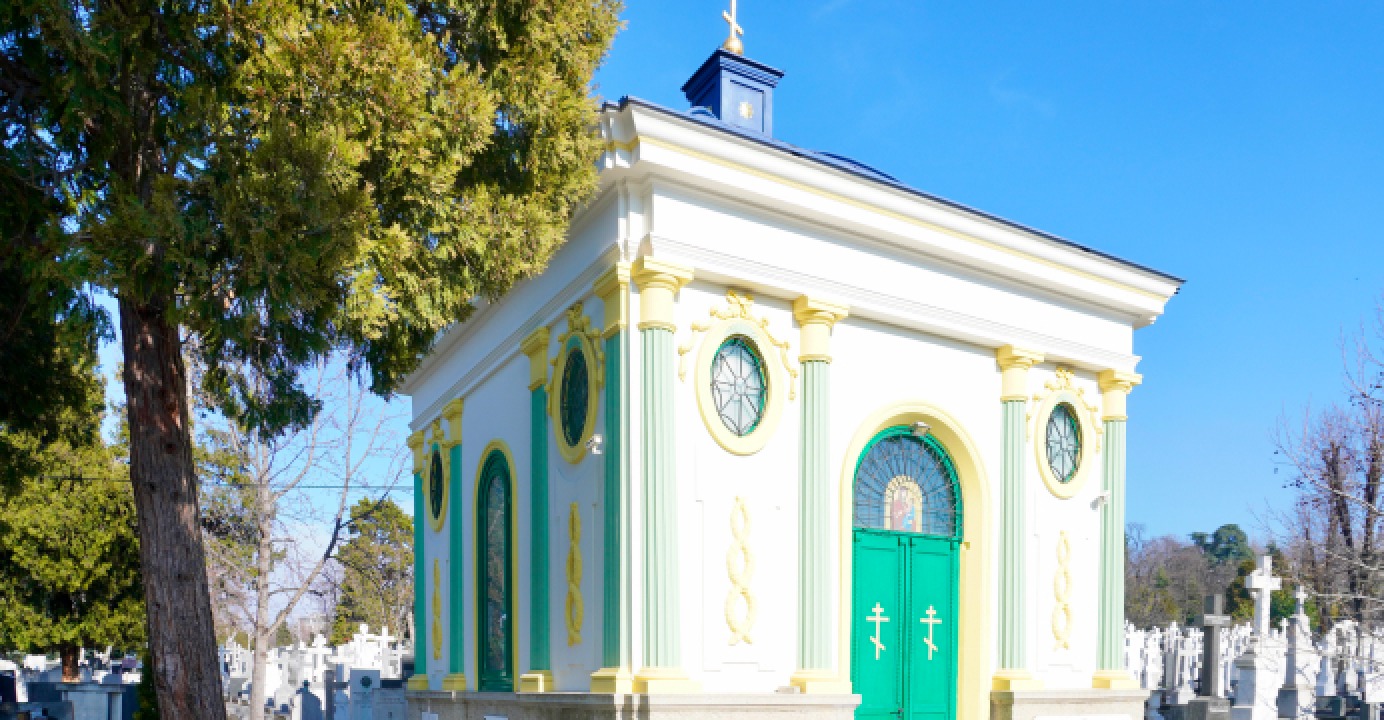
The Iveron Chapel at the New Cemetery
The Iveron Chapel is a white-and-blue monument to a lost homeland, built as a symbol of conciliarity, memory, and continuity.
округ Белград, Звездара, Новое кладбище
Date of Birth
9 March 1882
Date of Death
21 February 1945